





Learn what phonological awareness is and see ideas and resource to support these skills.
Our family is an adoptive family. When we first brought my daughter home, we saw firsthand how little she had been read to at the age of three. She had no interest in books. The more we read to her and the more she learned the English language, the more I monitored things. We would play fun word games as we drove in the car to preschool or as we ran errands at the grocery store. It became apparent to me that she really struggled with generating rhyming words. I knew we should start playing more language games to help build her phonological awareness skills.
I’ve also had students struggle with phonological awareness in my classroom. I’ve seen students struggle with rhyming, segmenting a word into syllables, and deleting syllables from words. How do we help a student struggling with these skills? What all does phonological awareness entail? Let’s dive into this concept so we can better support our readers.
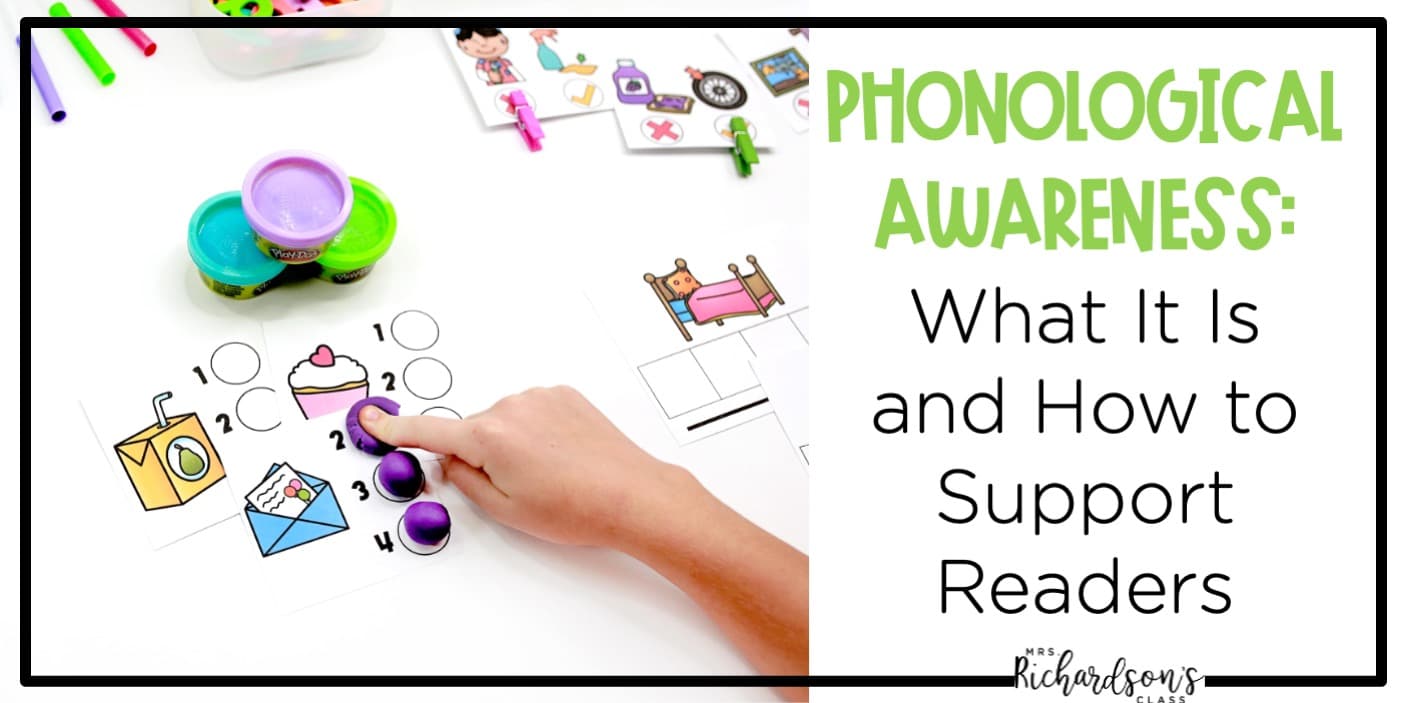
Phonological awareness is the ability to examine and manipulate sounds in spoken language independent of meaning. Phonological awareness is an umbrella term that encompasses many different skills.
Some examples of phonological awareness skills are:
Phonological awareness sets the stage for being able to decode, blend, and read words later. It is essential for students to develop these skills, so they are able to decode words later. When we read words, we are reading words written down on paper. Those words become spoken words when read aloud. A student has to know the sounds the letters make in the word in order to decode it.
The same is true in spelling. A student is now given a spoken word and they must be able to write that word’s sounds in order to spell it.
Phonological awareness truly is the foundation in which we build all other reading skills as we work to grow strong decoders who can then comprehend.
There are many activities you can do in your classroom to help students build their phonological awareness skills. Let’s take a look at some ideas!
One quick, easy activity is to give students two words that rhyme. Ask them to generate another rhyming word. You could also say a group of three words and ask them to identify the word that does not rhyme in the group.
Another activity is to say a name or a word and have students clap it with you to count the number of syllables in the word or name. After, you can ask students to identify the first syllable, second syllable, etc in the name or word.
Finally, sometimes as we were lining up, I would say a tongue twister and ask students to identify the beginning sound that was repeated. These activities were quick and easy, but helped to build their phonological awareness skills!
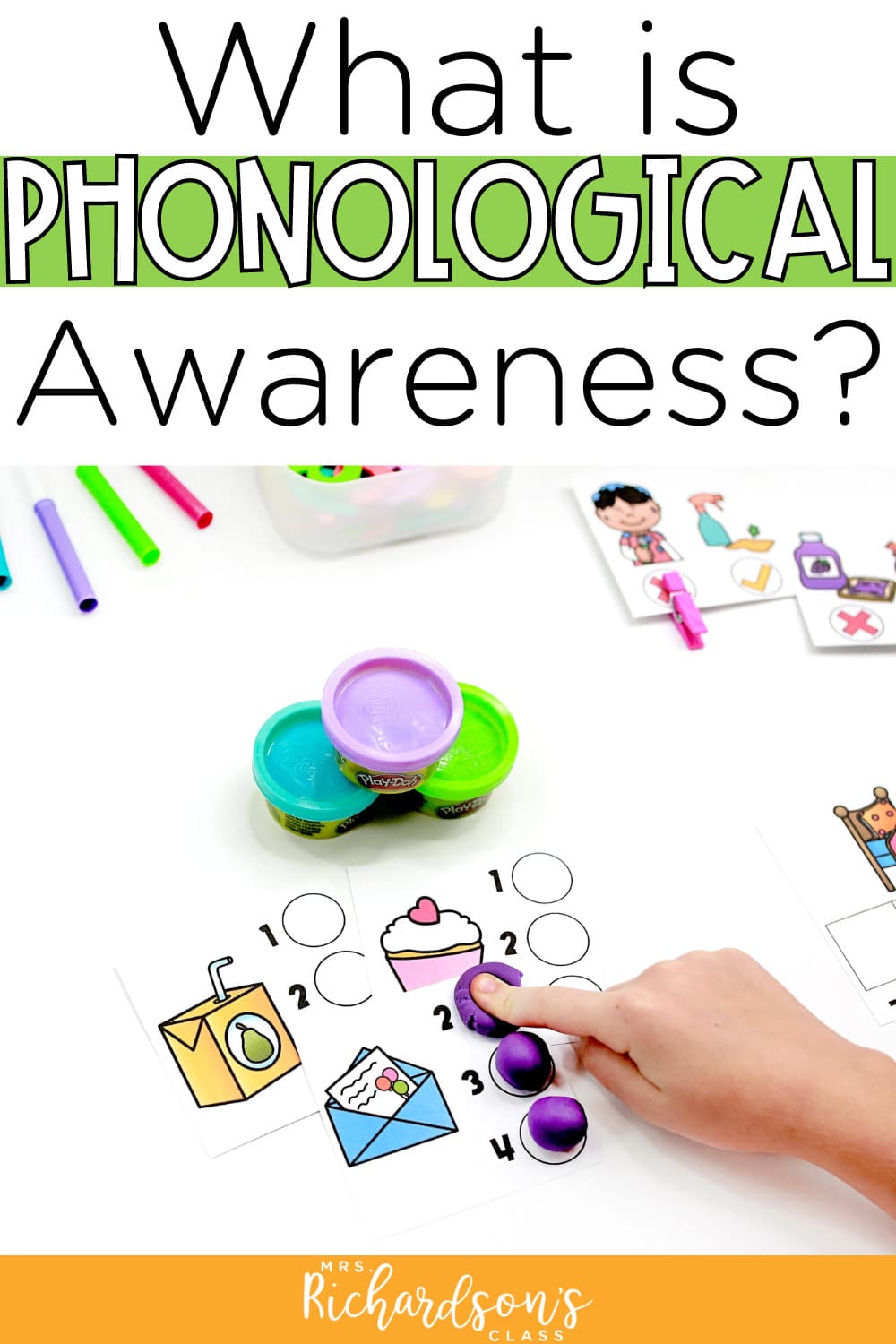
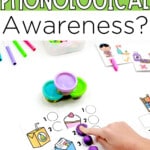
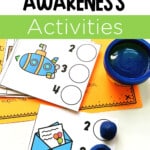
Do you have some students struggling with phonological awareness? I have a growing bundle of Science of Reading Literacy Centers that focus on rhyming, syllables, and more. These activities are already planned for you! You can get them HERE or here in my TeachersPayTeachers store.
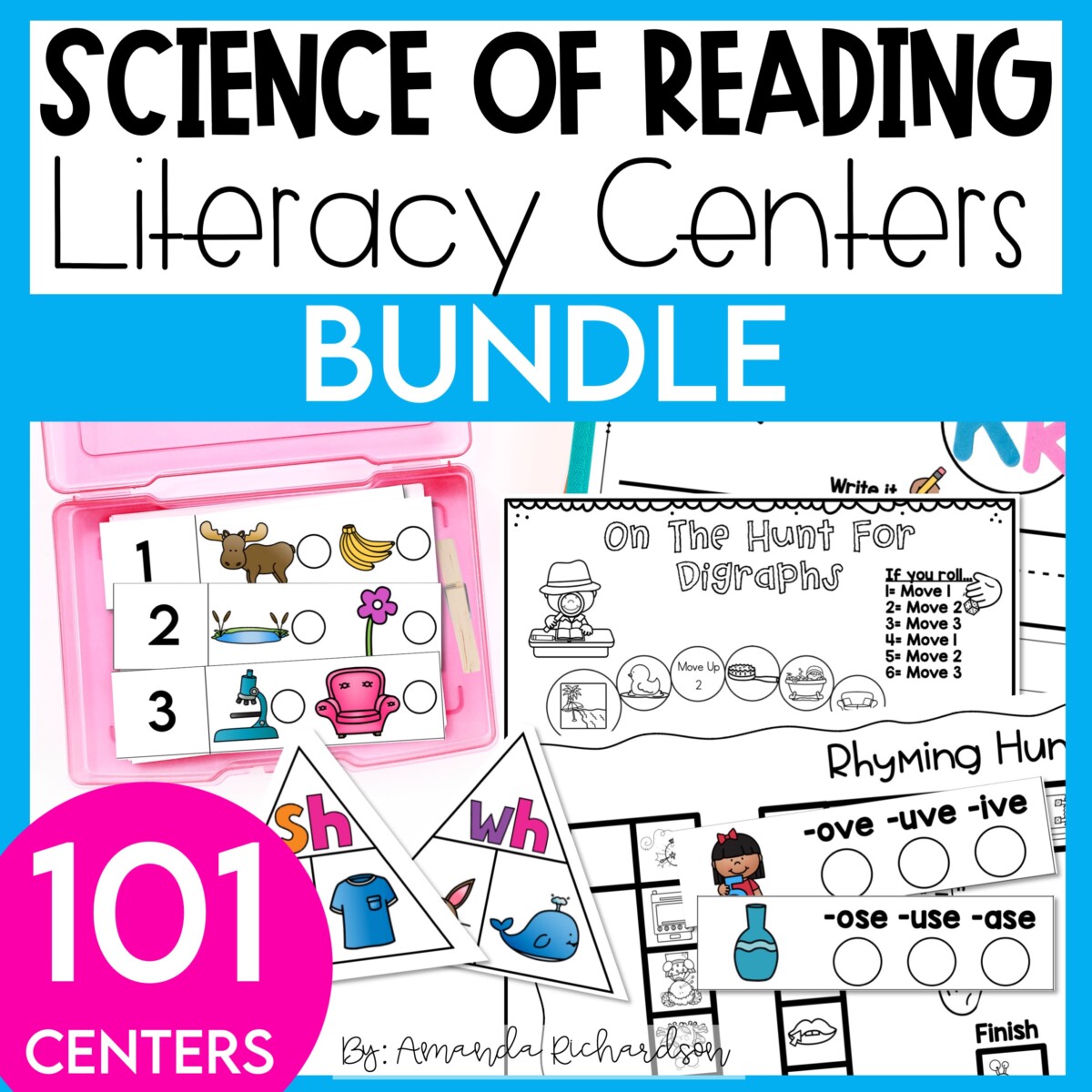
I also have two sets of ready-to-go phonemic awareness activities that also include phonological awareness activities, too. These are great for:
There are two sets so you can provide plenty of opportunities for practice. Each set has 27 activities that cover 9 areas of phonological awareness.


Do you have any tried and true activities to support readers in this area? I’d love to hear them in the comments!