





If there is one thing I know about primary students, it’s this: they love a good read aloud! They lean in, make connections, notice details, ask questions, and eagerly share their thinking.
So why should we save that magic only for our literacy block?
Math read alouds are one of my favorite ways to introduce and explore math concepts with young learners. A great picture book can take an abstract math idea and turn it into something students can see, discuss, act out, and understand. My first year of teaching I fell in love with Stuart Murphy’s books because they did just this!
And the best part? You don’t have to add another complicated thing to your already-full teacher plate.
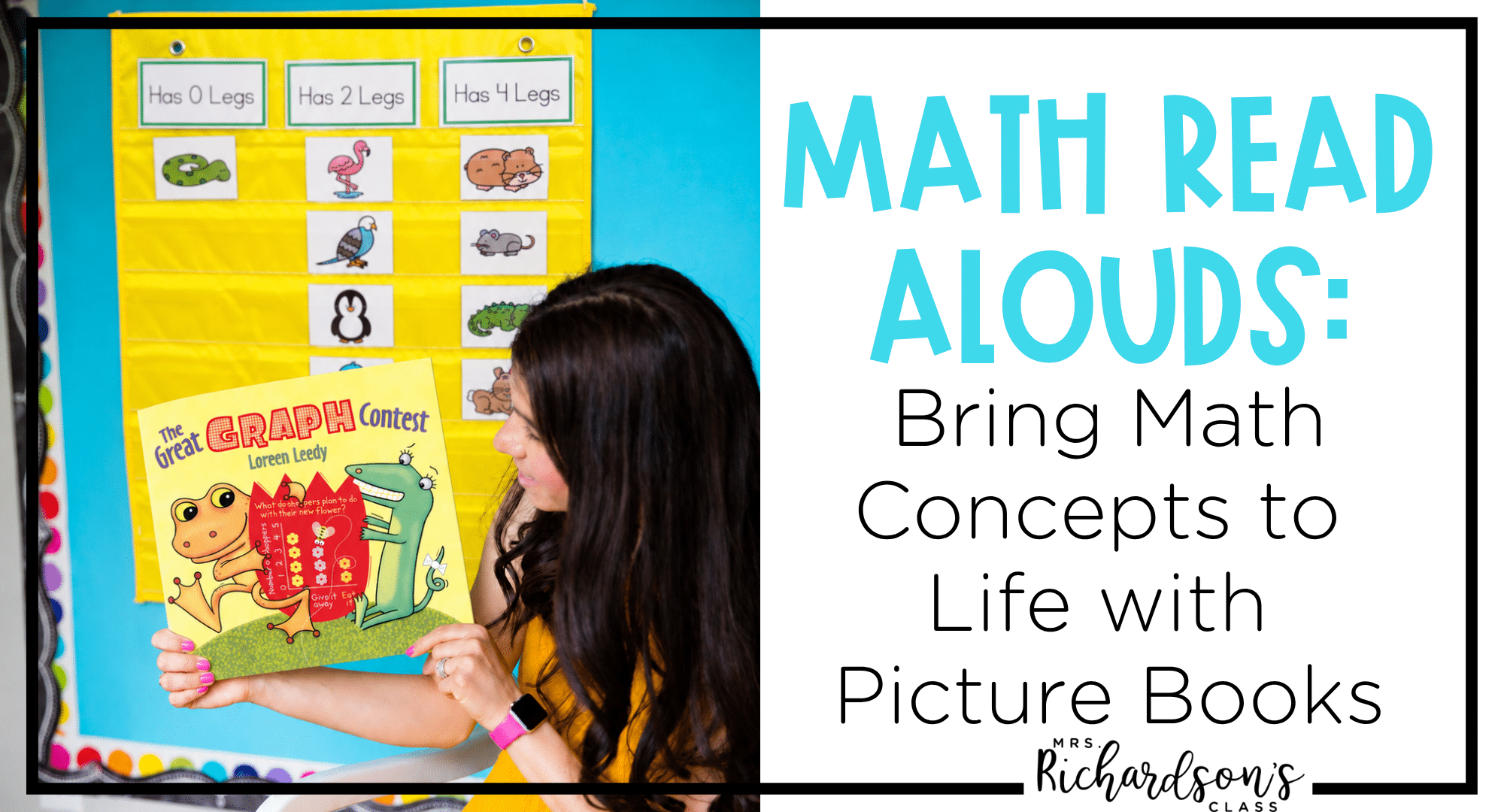
Think about what happens when you introduce a new math concept.
Some students immediately understand it. Others need manipulatives. Some need to see several examples. And quite a few need to talk through the idea before it begins to click.
A thoughtfully chosen math read aloud gives students another way into the learning. Instead of beginning with a worksheet or a page in the math curriculum, you can begin with a story. What a warm, welcoming place to begin!
Picture books provide context for math concepts that might otherwise feel abstract to young learners. Students can see characters solving problems, notice math in illustrations, make predictions, and discuss possible solutions.
Suddenly, math isn’t just numbers on a page. It has meaning!
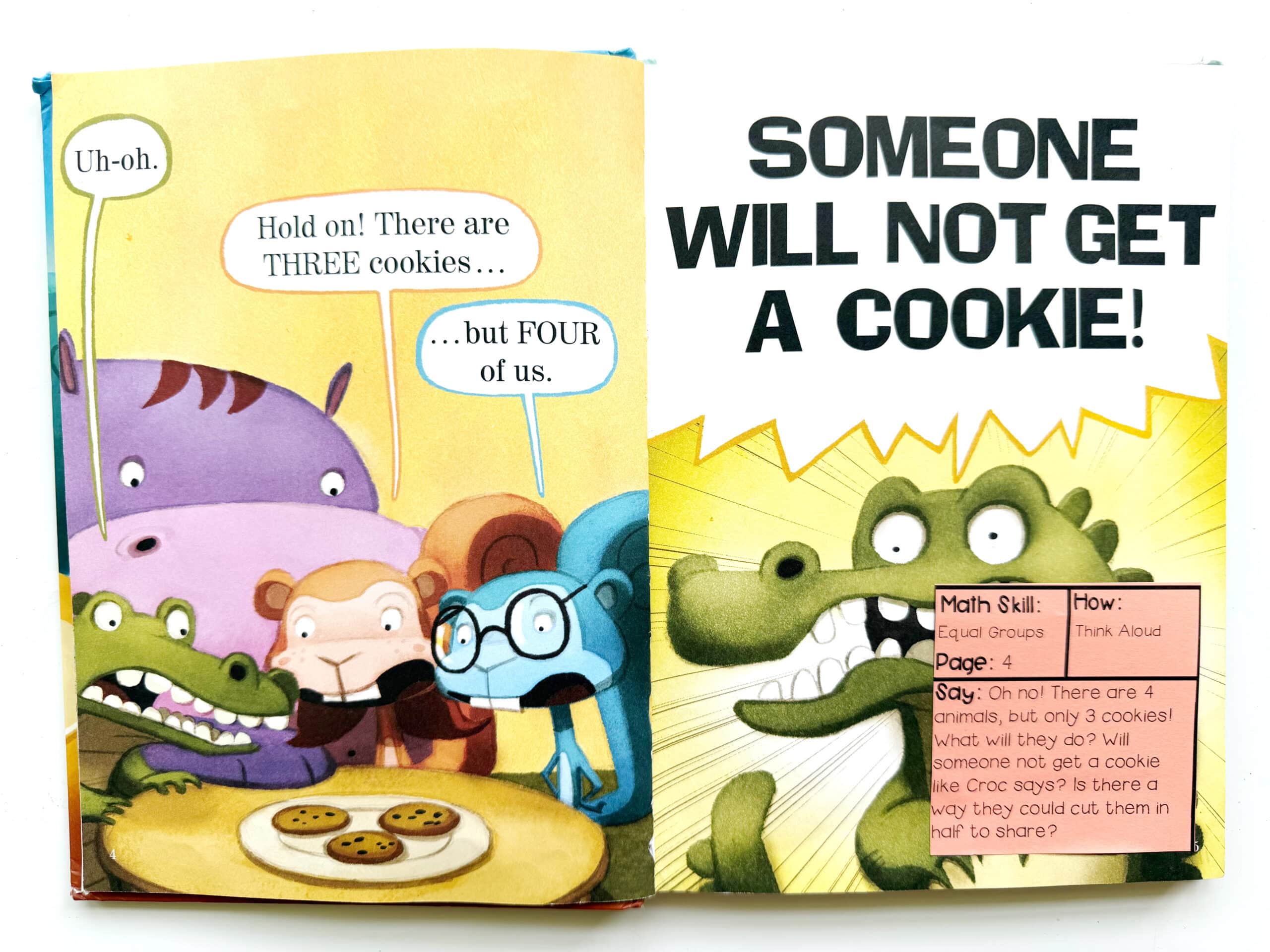
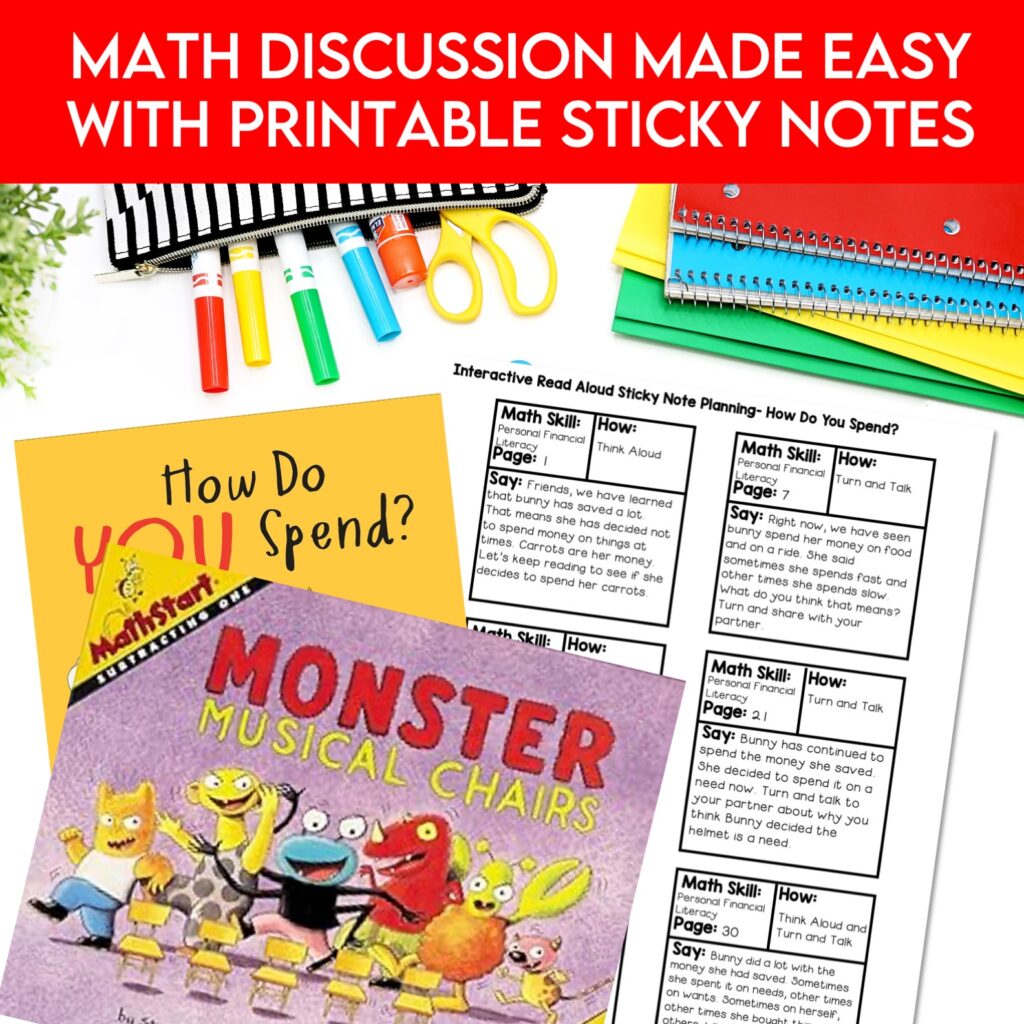
One of my favorite things about using picture books during math is the conversation they create. When we pause during a story and ask, “What do you notice?” or “How could we solve this problem?” we give students opportunities to put their mathematical thinking into words.
And that matters!
Our students need opportunities to explain how they know something, listen to someone else’s strategy, compare ideas, and use math vocabulary in meaningful ways.
A math read aloud naturally creates space for that kind of discussion, especially for our youngest mathematicians and our English Language Learners who may not be ready to explain their thinking on paper.
Primary students are concrete thinkers. They need to see it, touch it, move it, and talk about it.
That is one reason math picture books work so beautifully in K-2 classrooms.
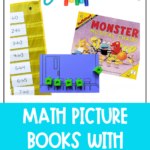
A book about shapes can lead to building and sorting shapes. A story involving addition can lead students to model what happened with counters. A book featuring measurement can inspire students to grab cubes, rulers, or classroom objects and start investigating.
The book becomes the hook, but the learning doesn’t have to stop when you close it.
That is where math read alouds can become especially powerful. We can use the story to spark curiosity and then move students into hands-on mathematical thinking.
There are SO many wonderful picture books that lend themselves to math instruction. You certainly don’t need an enormous collection to get started!
A few books I love using include:
You can also look at books already sitting on your classroom shelves with fresh eyes.
Ask yourself: Where is the math in this story?
Maybe characters are sharing objects. Perhaps they are comparing sizes, noticing patterns, counting, building something, or solving a problem involving time or money.
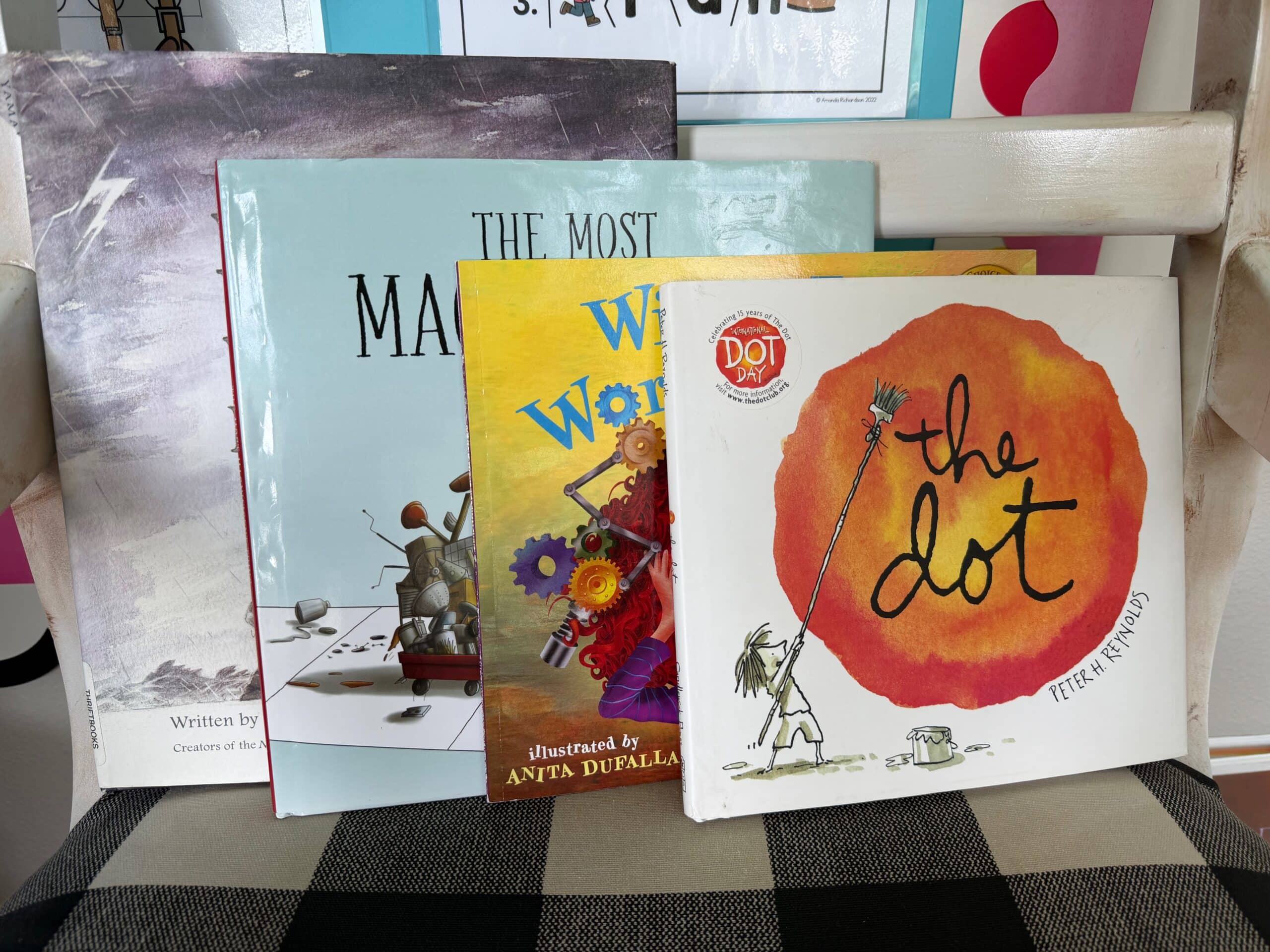
Not every book has to scream “MATH BOOK!” across the cover to create a meaningful mathematical conversation. For example, here are some favorites that are great for introducing the concept of problem solving to kids!
Of course, simply reading a math picture book is fun. But we can make that read aloud work even harder for us.
After reading, give students an opportunity to do something with the math they just encountered.
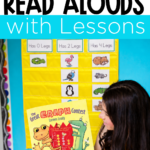
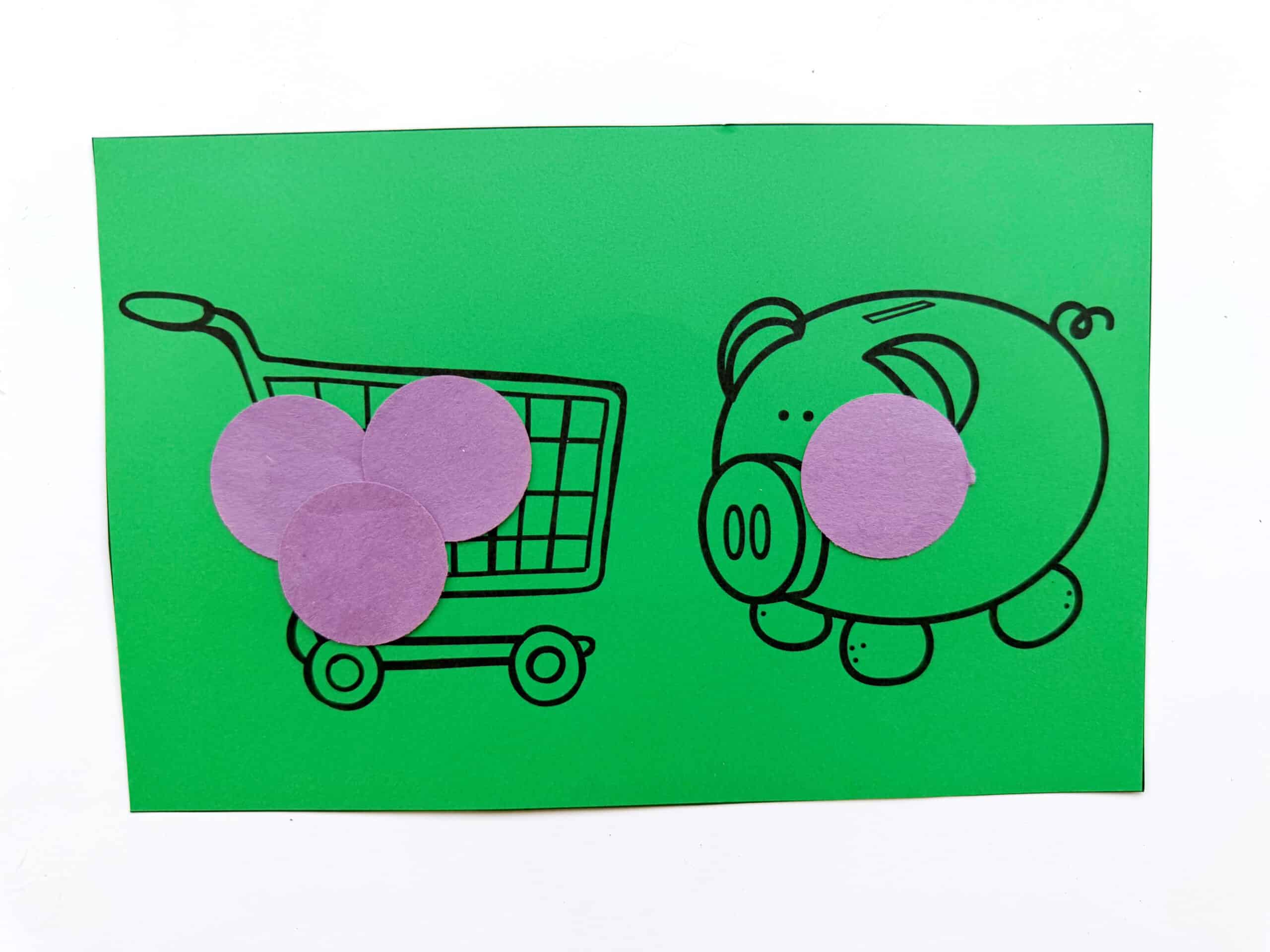
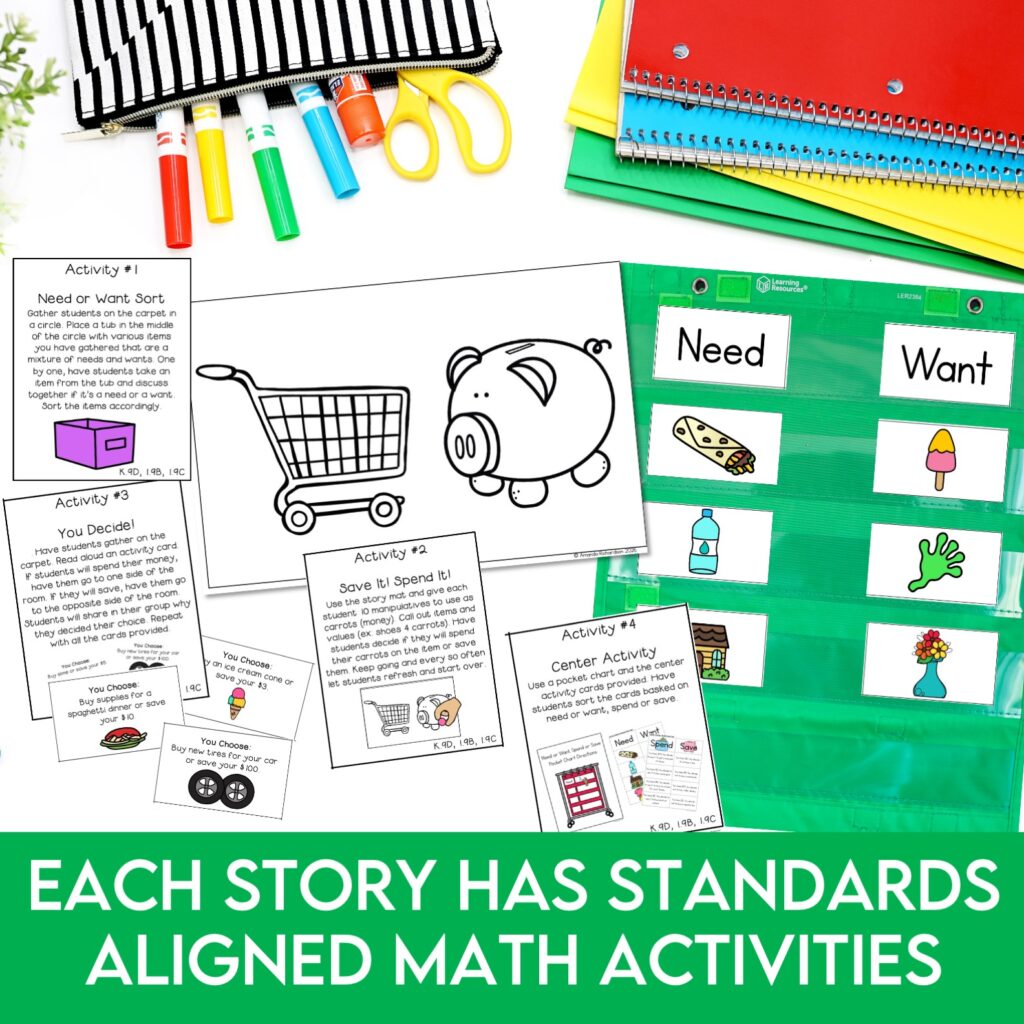
They might model part of the story with manipulatives, sort objects, create a graph together, solve a similar problem, build a shape, act out a number story, or head to a math center that extends the concept. I love to use math mats to do this!
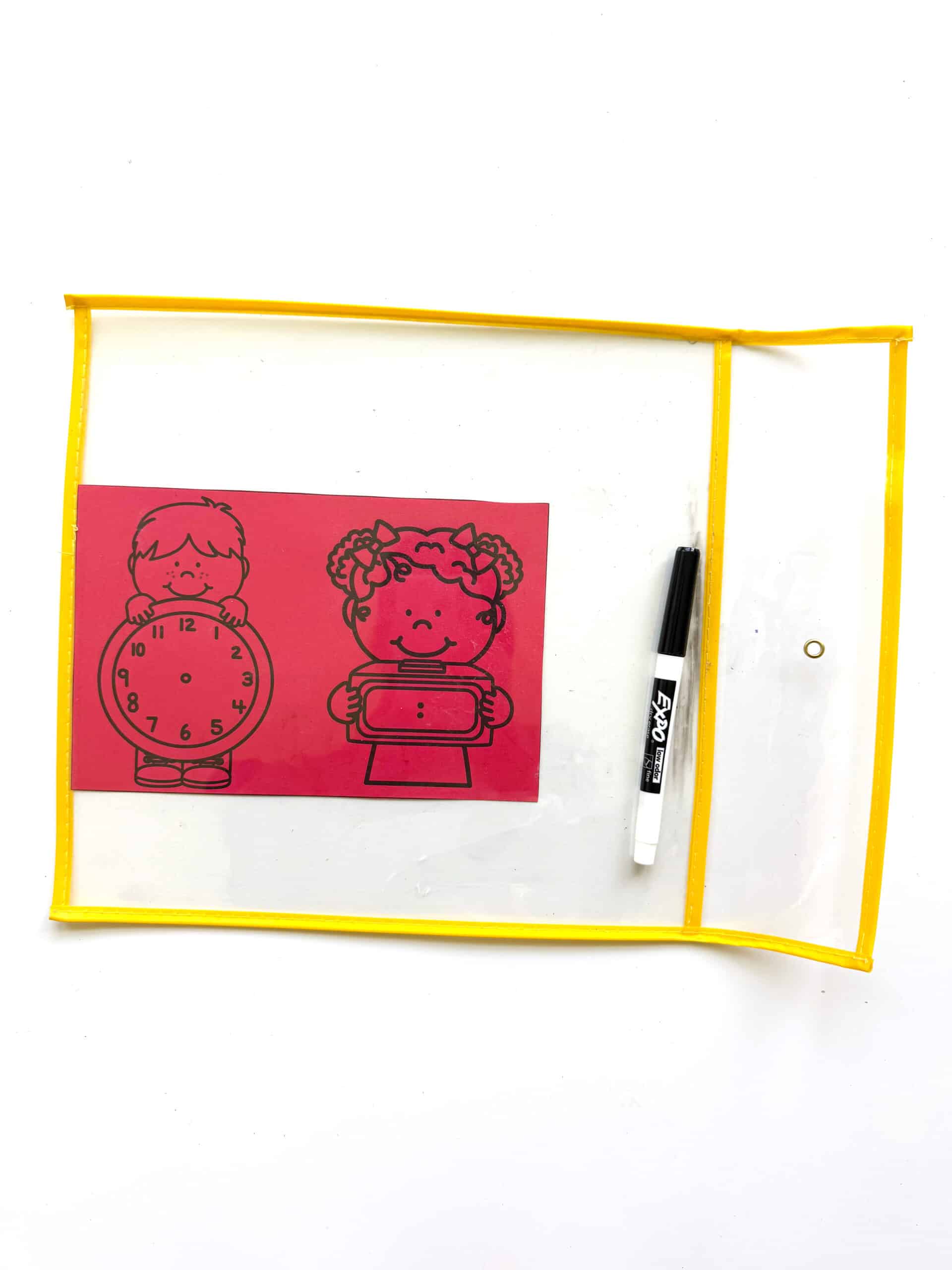
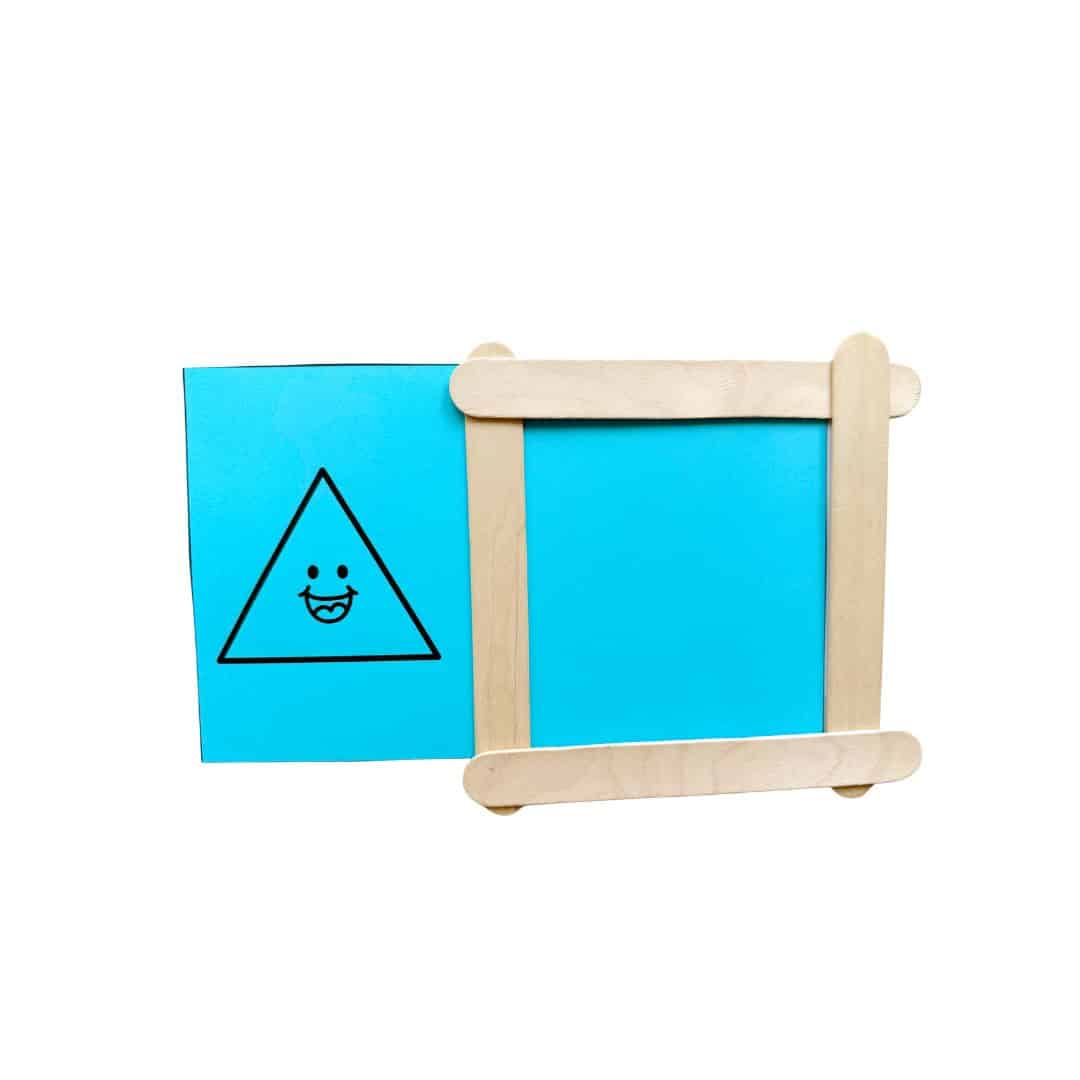
The goal isn’t to turn a beautiful picture book into another worksheet.
Instead, we want the book to become an anchor for learning new concepts and bringing them to life!
I LOVE planning this kind of learning, but I also know that finding the right book, matching it to your standards, writing discussion questions, and creating meaningful follow-up activities takes time.
That’s exactly why I created my Math Read Alouds Lessons Bundle!
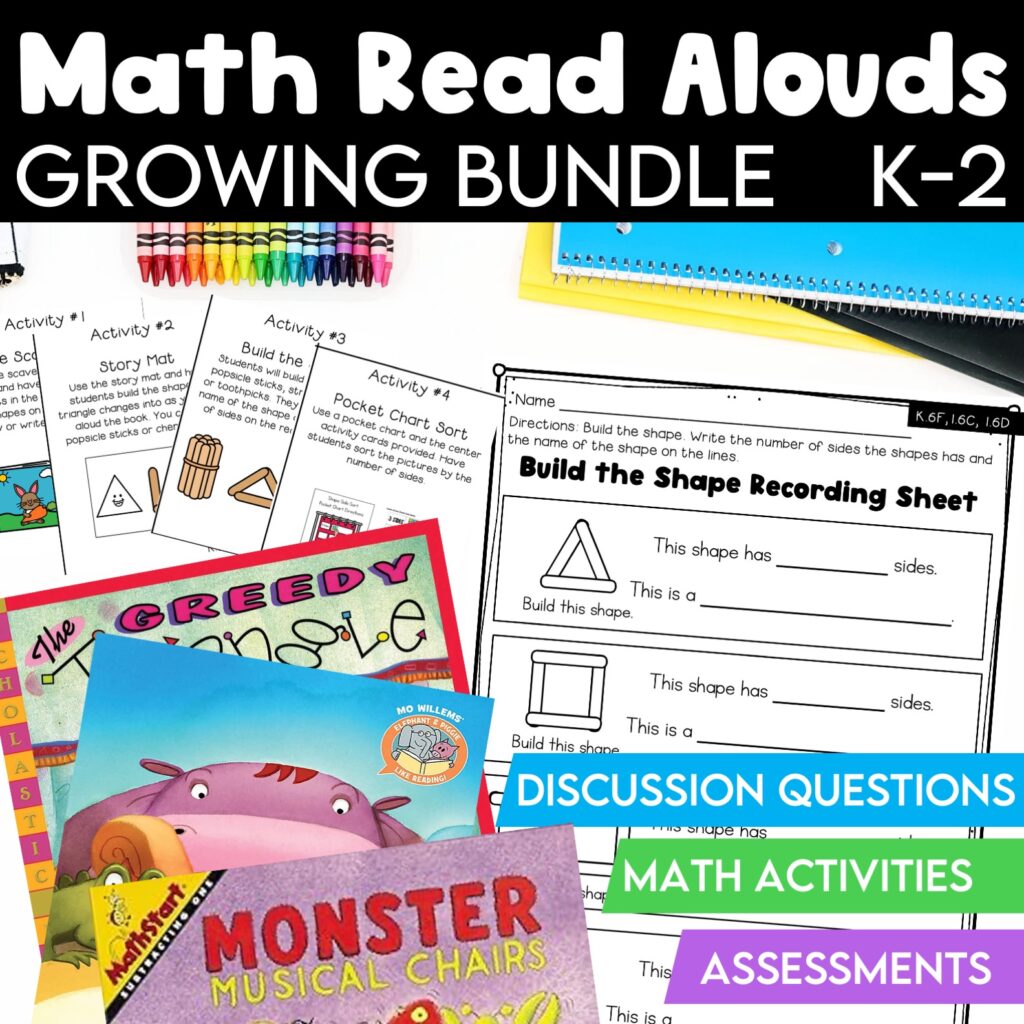
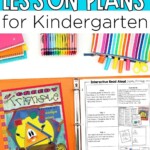
Each lesson starts with a carefully selected picture book and helps you take the math beyond the story. You’ll have purposeful stopping points for discussion, hands-on activities, a math center, and an assessment—all designed to help K-2 students explore important math concepts in engaging, age-appropriate ways.
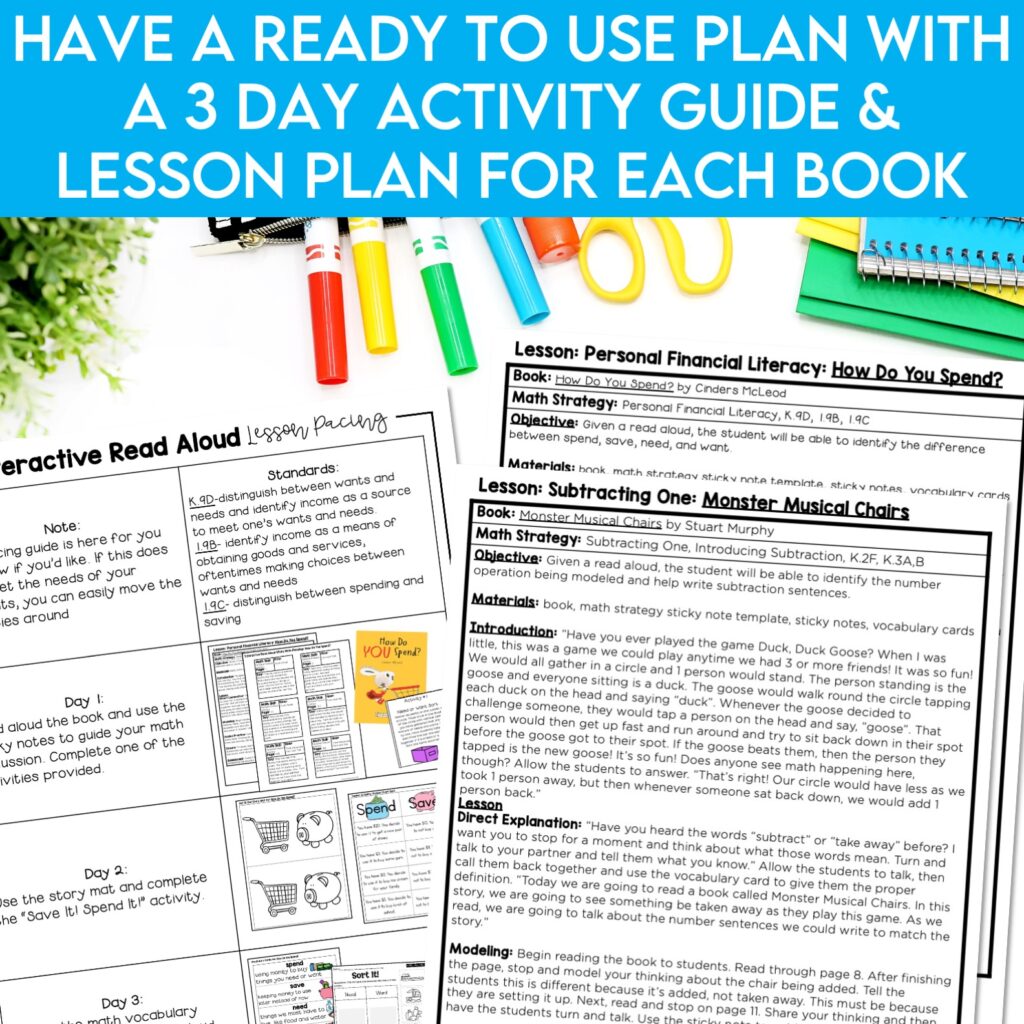
You still get the joy of gathering your students together with a REAL book in your hands.
You still get the conversations.
You still get the hands-on learning.
You just don’t have to spend your planning period creating everything that comes next.
If you’re ready to bring more stories, discussion, and hands-on learning into your math block, you can check out the Math Read Alouds Lessons Bundle here!