






Helping a child learn to read is one of the best gifts you can give them! Reading with your child helps build their language comprehension, confidence, and a lifelong love of learning. There are many simple ways you can help your child in their journey to becoming a strong reader! Let’s chat about some ideas and activities you can use to help your child learn to read at home that are practical, on the go, and many of which you may already be doing!
This is a great way for your child to have an interest in listening to and reading books. You want them to enjoy reading! Play an audiobook while driving to the park or on a long road trip. Head to your local library and find books that interest them. Sometimes we like to find a cozy place in the library and sit and read. My kids can stay there for hours, and they are in middle school now! They love searching for books that interest them and I think part of that is because we spent time doing that when they were younger.
It’s never too late to begin! This is an important part of helping a child learn to read.
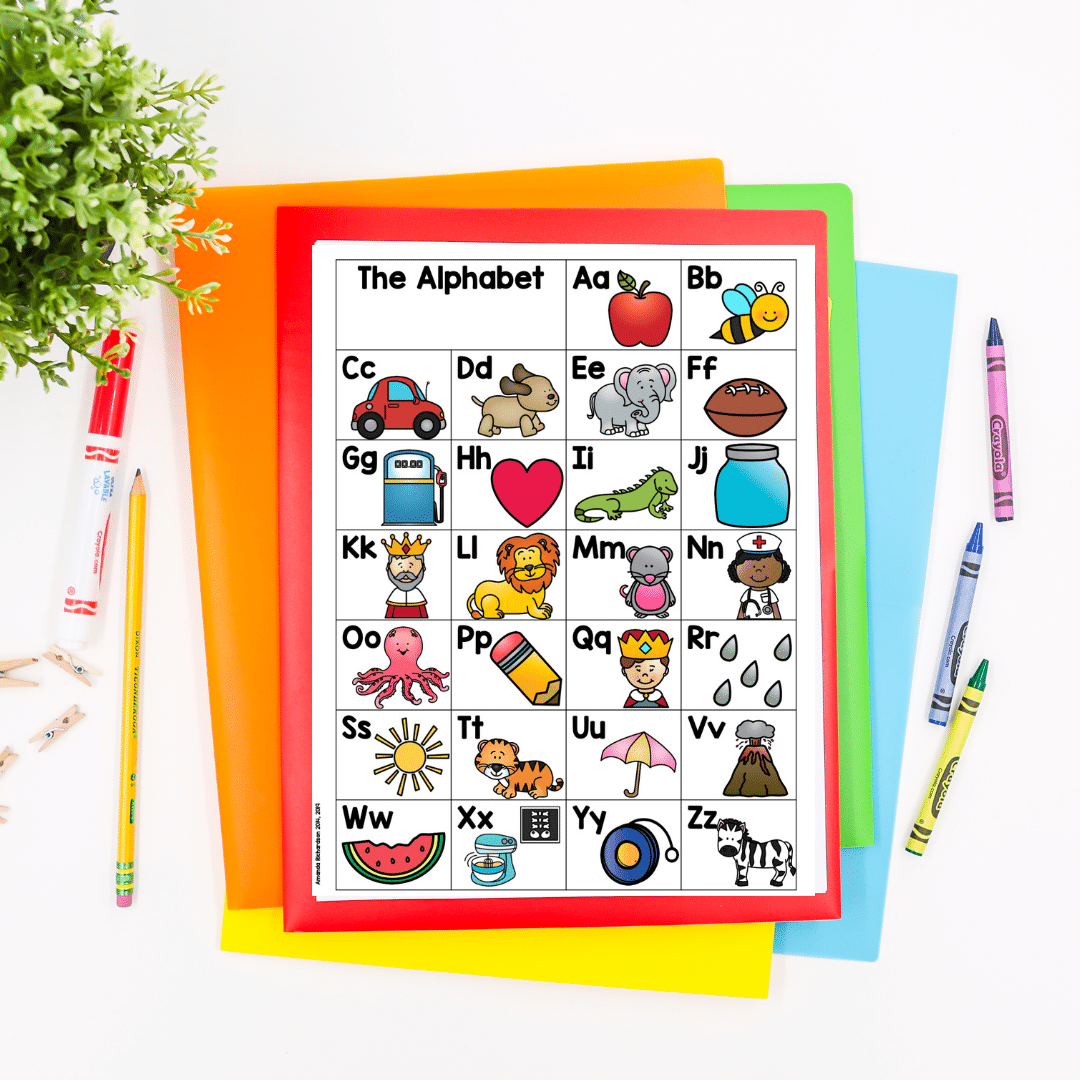
Start by teaching your child the letters of the alphabet. After they know their letters, you can teach them the sounds each letter represents. Teach your child to touch each letter, say the sound, and name the picture. For example, “A. /a/ /a/ apple. B. /b/ /b/ bee.” Eventually, I like to say, “You spell the /a/ sound with a letter A.”
You can grab my alphabet chart here FREE!
Environmental print is a great way to teach your child pre-reading skills! You may be wondering what environmental print is. It’s the text that is all around us in our everyday life-restaurant names, road signs, menus, and things we encounter everyday. It is everywhere!
As you go to the grocery store and out to eat, point out stores/restaurants and their names. Talk about what letter the store starts with and think of other stores that begin with the same letter.
One of our favorite songs when my kid’s were little was “Down by the Bay”. I even remember singing it as a child. If you haven’t heard it, you can check it out here.
Kids love to think of an animal and come up with something silly that the animal does. This is a great way to practice rhyming words because whatever the animal does must rhyme with its name.
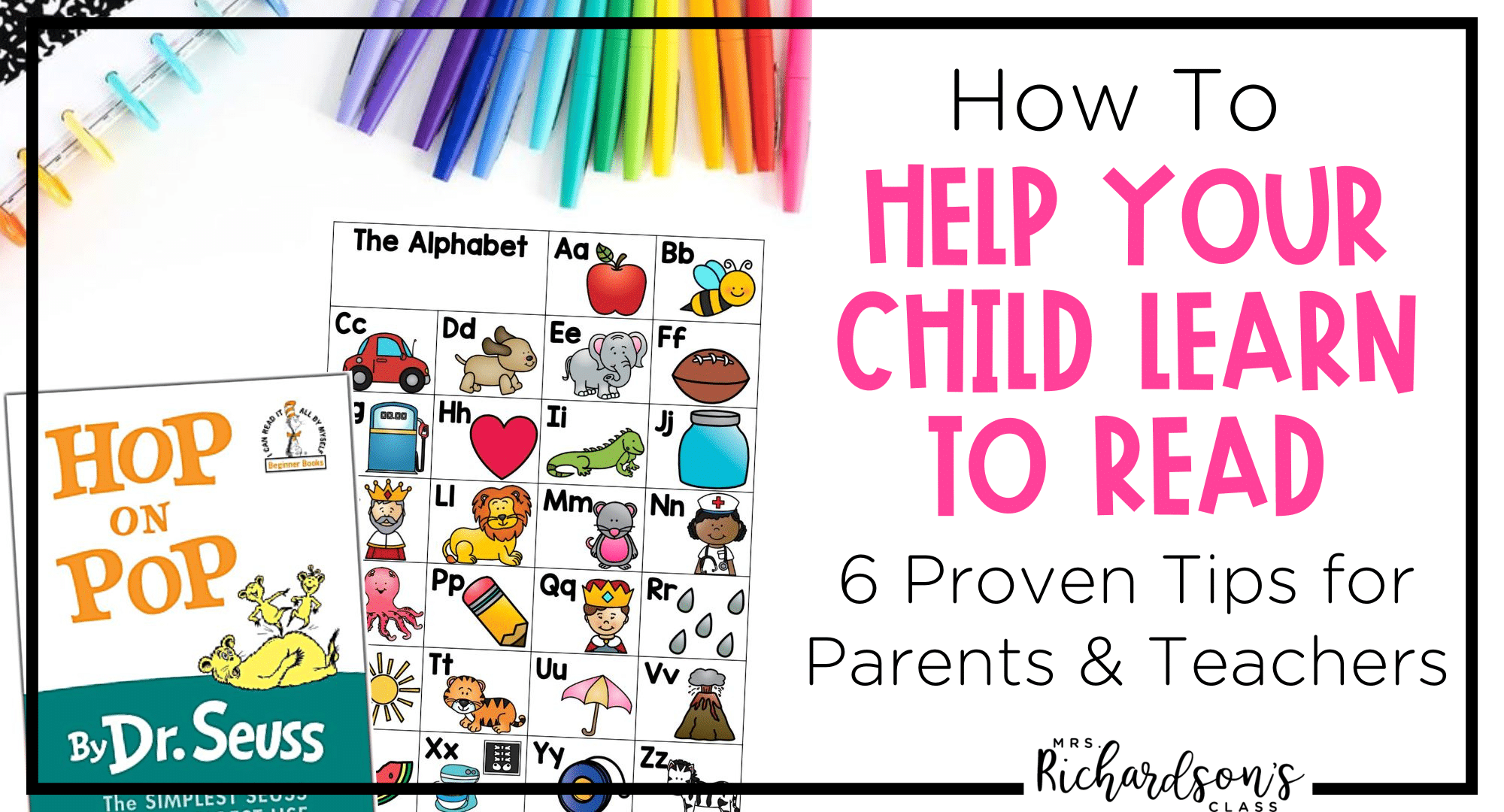
You could also work on this skill while reading books that rhyme, such as Dr. Seuss books. Hop on Pop is a great book that lends itself to rhyming word families!
We would also practice this in the car. I would say two words that rhyme and ask my kids to tell me another rhyming word.
You may wonder why counting the number of syllables in words helps a child learn to read. That’s a great question! When we sound out words, we use our syllable knowledge to look at the word, apply the syllable rule, and then we know how to properly sound out the word. This may sound tricky, but it truly unlocks lots of reading success when it comes to helping kids learn to read. If you are looking for more syllable decoding tips, check out this post HERE.
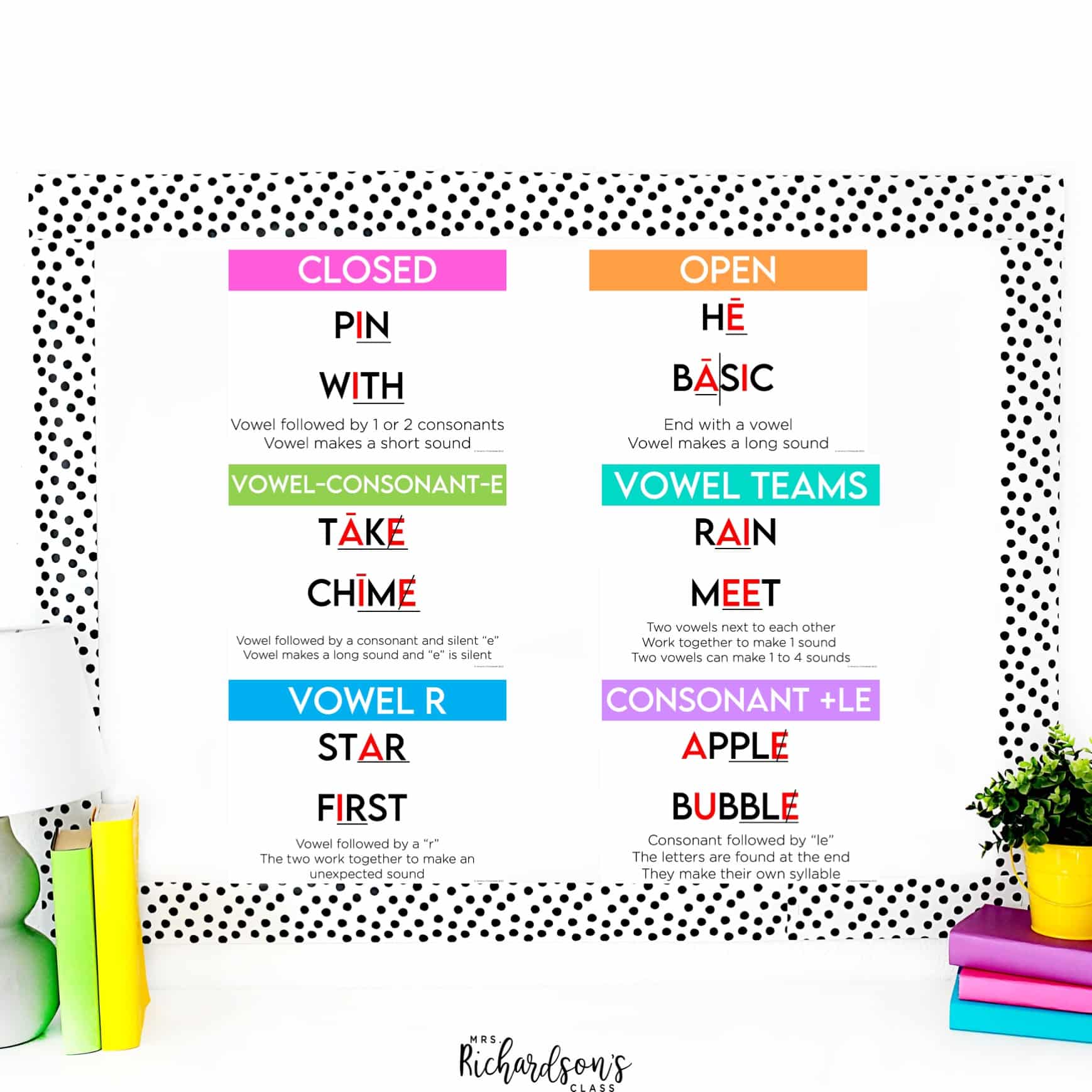
I would often count the number of syllables in a word while reading books aloud. I would ask my kids what a picture was and then we would clap the word together to find out how many syllables were in it.
This seems really easy, and it is! You can do it anywhere you go! Use it to kill time, use it to talk in the car, use it at the restaurant while you wait for your food–anywhere as you are helping your child learn to read.
Reading aloud to kids daily is SO important! They get to see and hear what a great reader does. When you read aloud to your kids, they get to hear what a fluent, expressive reader sounds like.
Invite your kids to sit next to you when you read aloud and not just sit across from you. This way they can see the text you are reading. Show them the words and invite them to follow along. When you read, pause and model decoding (sounding out) a word as well as thinking out loud about what is happening in the story.
Helping a child learn to read at home doesn’t have to be complicated or time-consuming—it’s about being intentional, consistent, and making it fun! By choosing books your child loves, talking about letters and sounds, playing with rhymes, and simply letting them see you enjoy reading, you are laying a strong foundation for literacy.
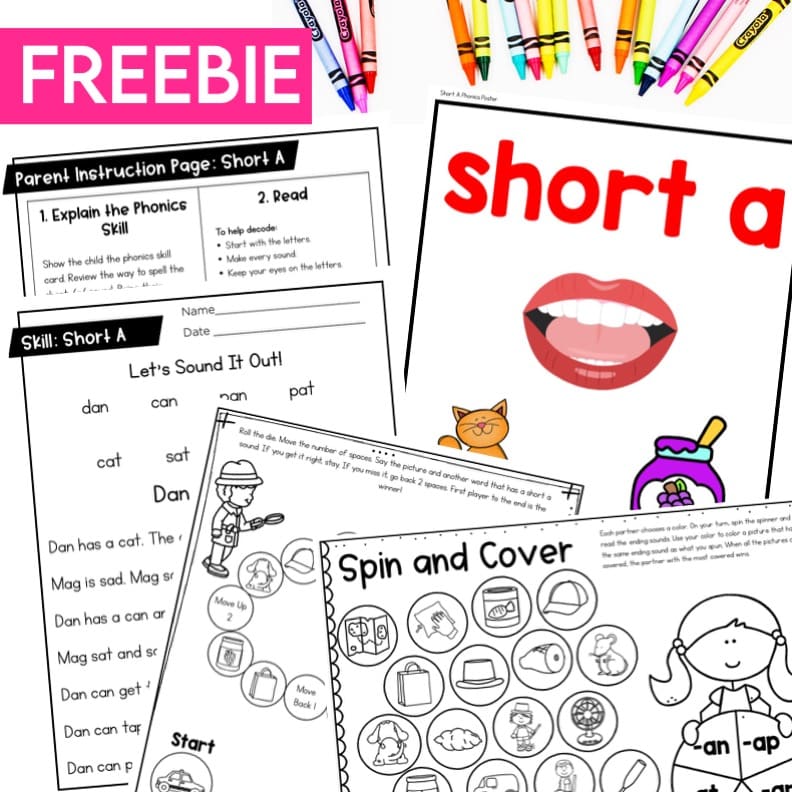
If you want a handy tool to help you get started in the classroom or at home with your child, grab this FREE tool! Inside you will find a phonics poster, a short vowel passage focused on short A words, 2 games, and an easy-to-follow 4 step plan for using the passage in a meaningful way!