



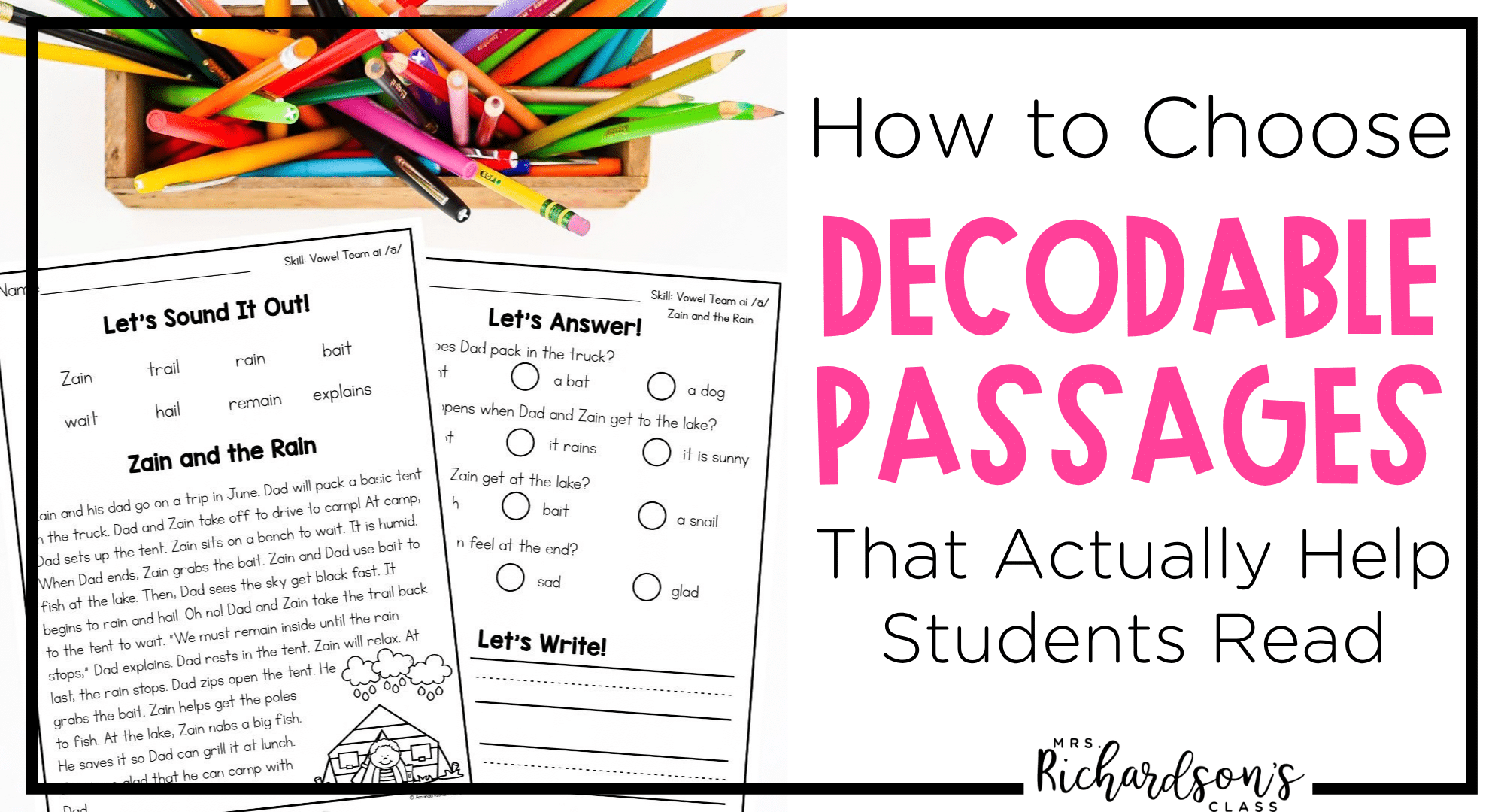
Have you ever searched for decodable passages, found what looked like the perfect set, and then realized they weren’t quite what your readers needed? Maybe the text included phonics skills your students hadn’t learned yet. Or perhaps the passage was filled with words that matched the skill, but the sentences didn’t make much sense!
With so many decodable passages available, how do you know which ones are actually going to help your readers?
Decodable passages can be a wonderful tool for helping students apply their phonics knowledge to connected text. But not all passages are created equally! Let’s look at what makes a quality decodable passage and how to choose ones that will truly support your growing readers.
One of the most important things to look for in decodable passages is alignment with your phonics scope and sequence.
If your students are learning CVC words with short vowels, they shouldn’t encounter passages filled with unfamiliar vowel teams or r-controlled vowels.
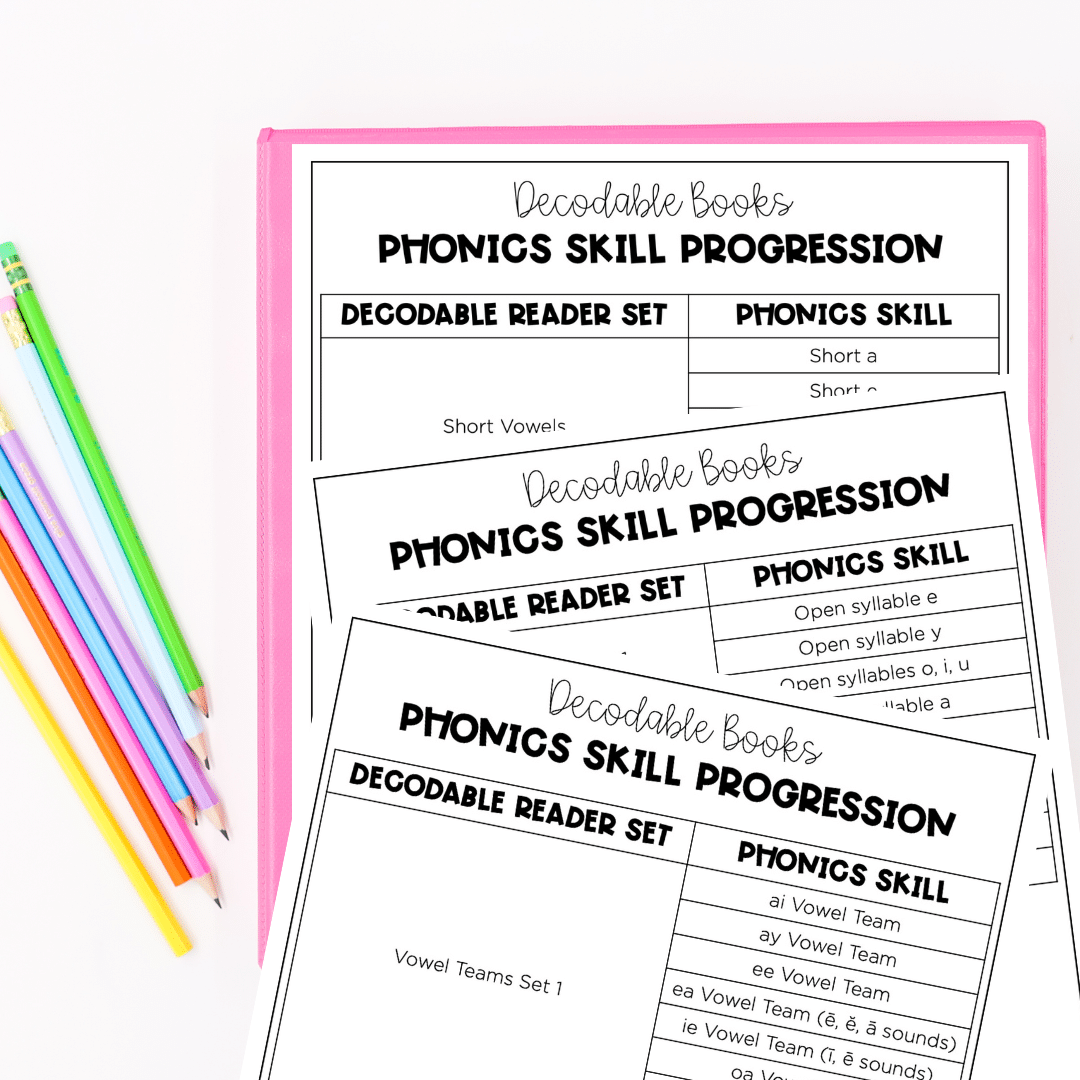
Instead, students need opportunities to practice phonics skills they’ve already been explicitly taught while strengthening their newest skills.
Quality decodable passages should include:
When I created my decodable passages, I wanted teachers to easily find texts that matched exactly what their students were learning.
That’s why my passages cover everything from short vowels and blends to digraphs, long vowels, vowel teams, and r-controlled vowels. Teachers can choose passages based on their students’ phonics needs rather than simply their grade level.
Get your FREE Phonics Scope and Sequence below!
Have you ever read a decodable passage that sounded like a random collection of sentences?
We’ve all seen them! Honestly, it’s what made me never want to use decodable text to begin with.
While our primary focus is helping students practice decoding, we also want them to understand that reading is about making meaning. A quality decodable passage should have sentences that connect, make sense, and give readers something to think about.
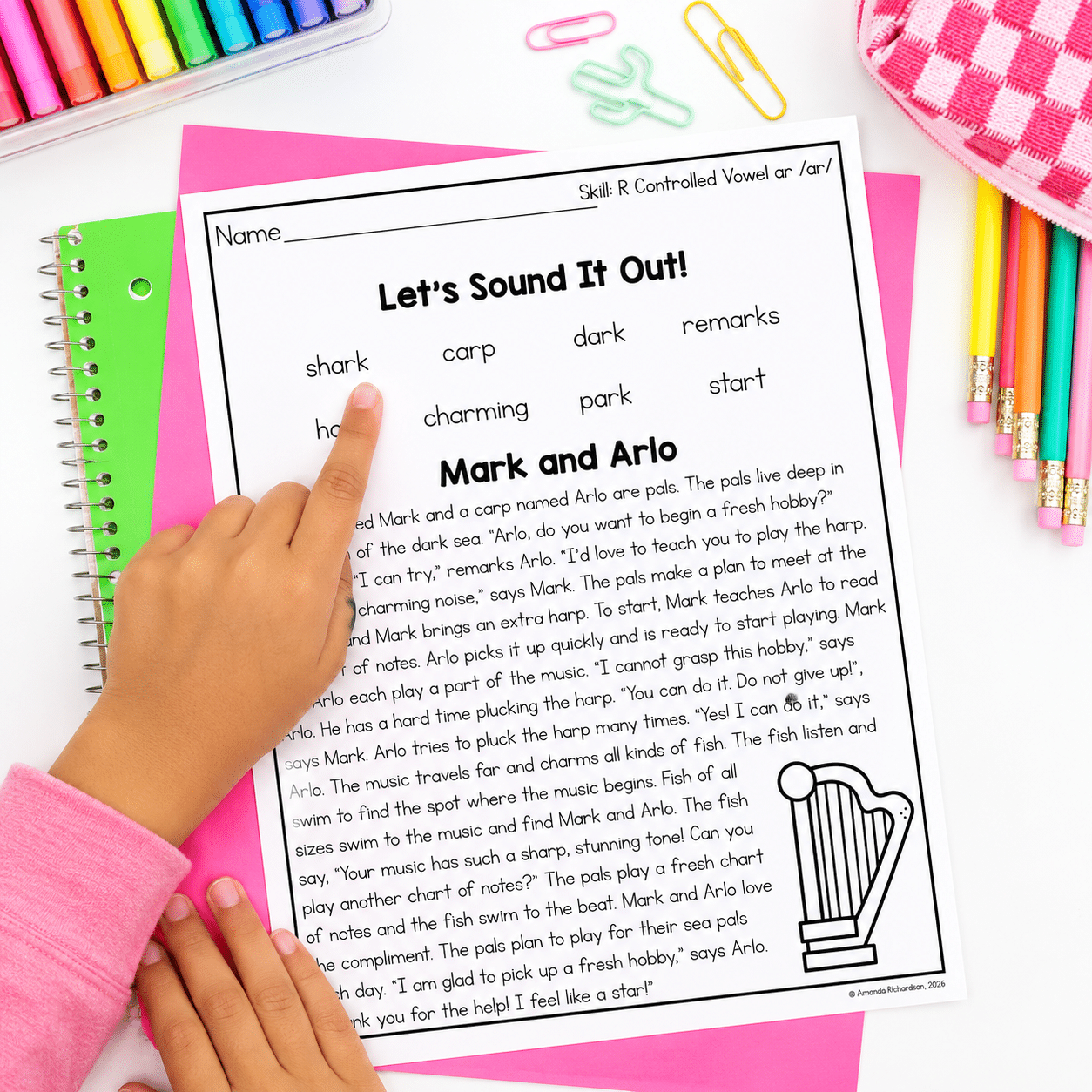
When creating my passages, I worked to make each text meaningful while maintaining the phonics focus. Students get opportunities to practice decoding without losing sight of what they’re reading.
After all, we aren’t teaching children to simply call out words. We’re teaching them to become readers who understand text!
Just because students are beginning readers doesn’t mean we should put comprehension on the back burner!
According to the Simple View of Reading, skilled reading comprehension depends on both decoding and language comprehension.
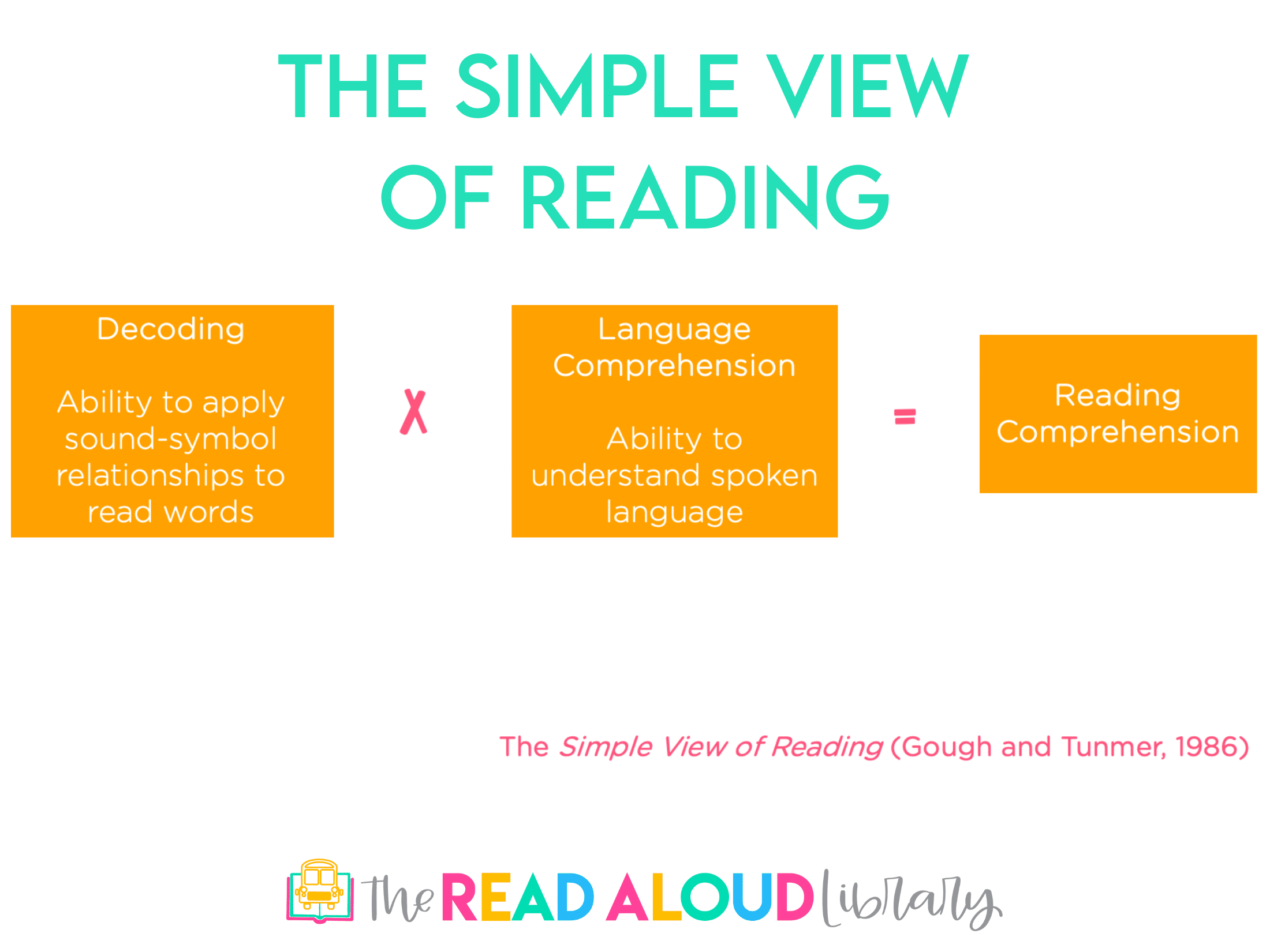
Decodable passages offer a wonderful opportunity to bring these skills together.
After students read, we can ask questions about what happened, discuss important details, and encourage them to explain their thinking.
This is one reason I included comprehension questions with my decodable passages. Students get to practice applying their phonics skills AND demonstrating that they understand what they read. Plus, teachers can quickly see whether students are reading the words accurately while also making meaning from the text. After all, the goal of reading is comprehension.
Another important factor when choosing decodable passages is whether students have opportunities to build reading fluency.
As children become more accurate and automatic with decoding, they can begin focusing more attention on understanding what they read. Repeated reading of appropriate text can help students strengthen accuracy, automaticity, and expression. These are all components of being a fluent reader.
My decodable passage sets include 3 passages for each phonics skill, giving teachers flexibility to revisit patterns with fresh text. You might use one passage during small groups, another for additional practice, and another to check how independently students can apply the skill.
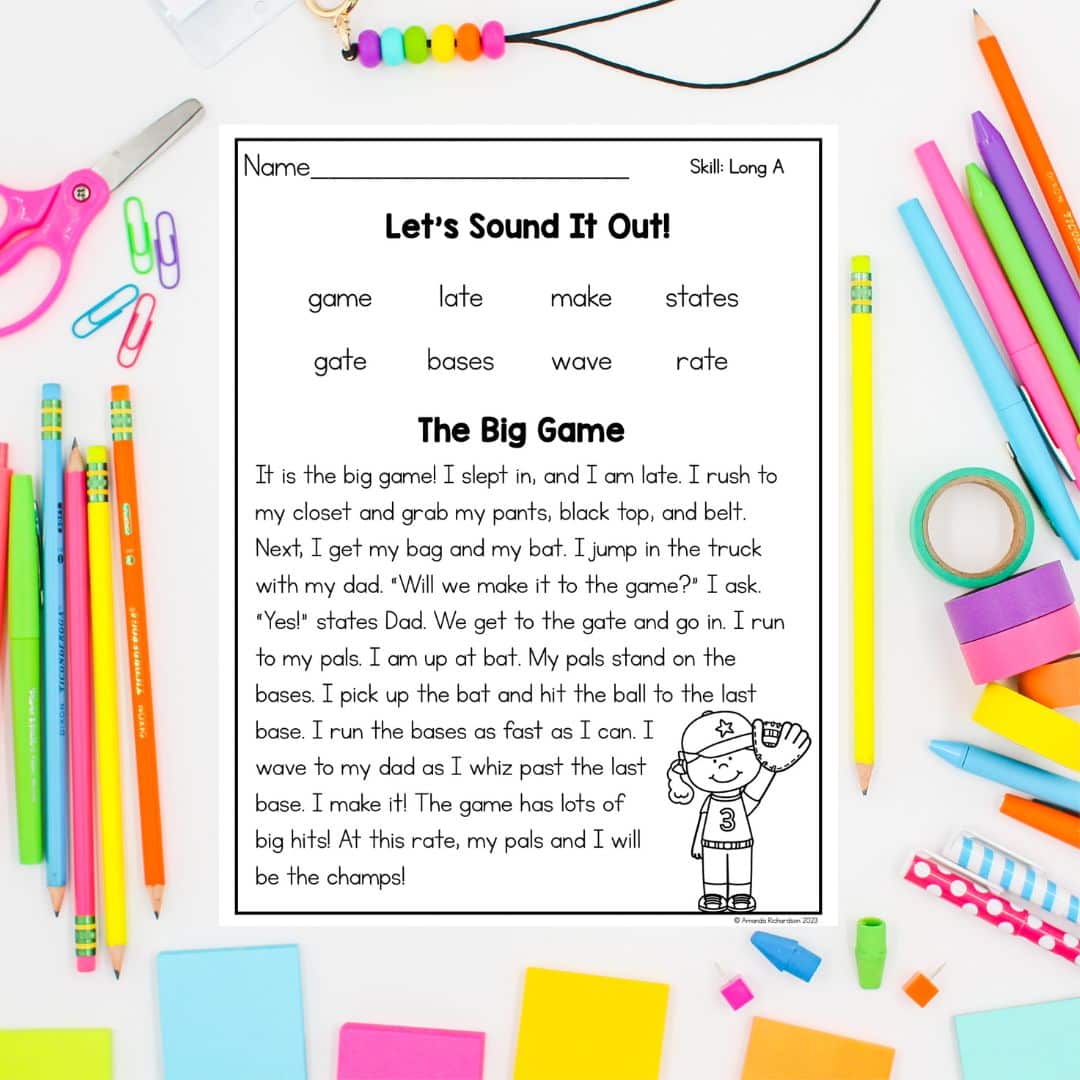
Remember, fluency isn’t about reading as fast as possible. It’s about reading accurately, smoothly, and with expression so that students can understand what they are reading!
One feature I especially love in decodable passages is the opportunity to connect decoding with encoding.
When children decode, they connect letters to sounds to read words. When they encode, they use their knowledge of sounds and spelling patterns to write words. These skills work together! You may have heard me say before that tone is input, and the other is output. That’s why I included a dictation sentence aligned with the phonics focus in my decodable passages.
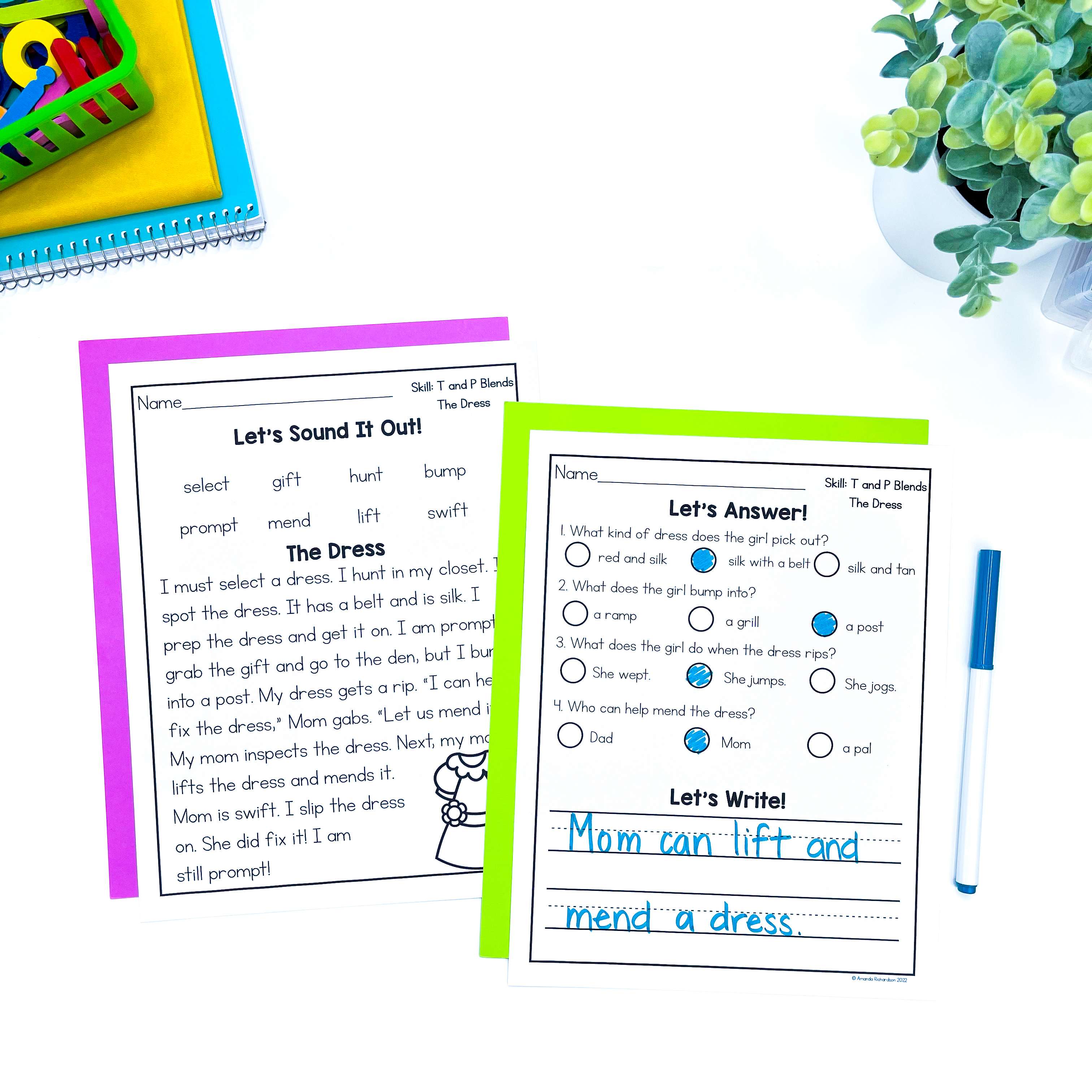
After reading, students can listen to a sentence and write it independently. This gives teachers another opportunity to see whether students can apply the phonics pattern they’ve been practicing. It’s a simple addition that makes the passage even more purposeful!
Finally, let’s talk about something every busy teacher appreciates: resources that are easy to use!
Decodable passages shouldn’t require hours of preparation. You should be able to choose a phonics skill, grab a passage, and use it with your readers.
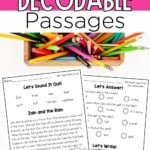
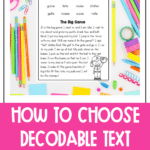
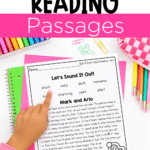
My Decodable Passages with Comprehension Questions include targeted phonics practice, meaningful reading, comprehension questions, and dictation.
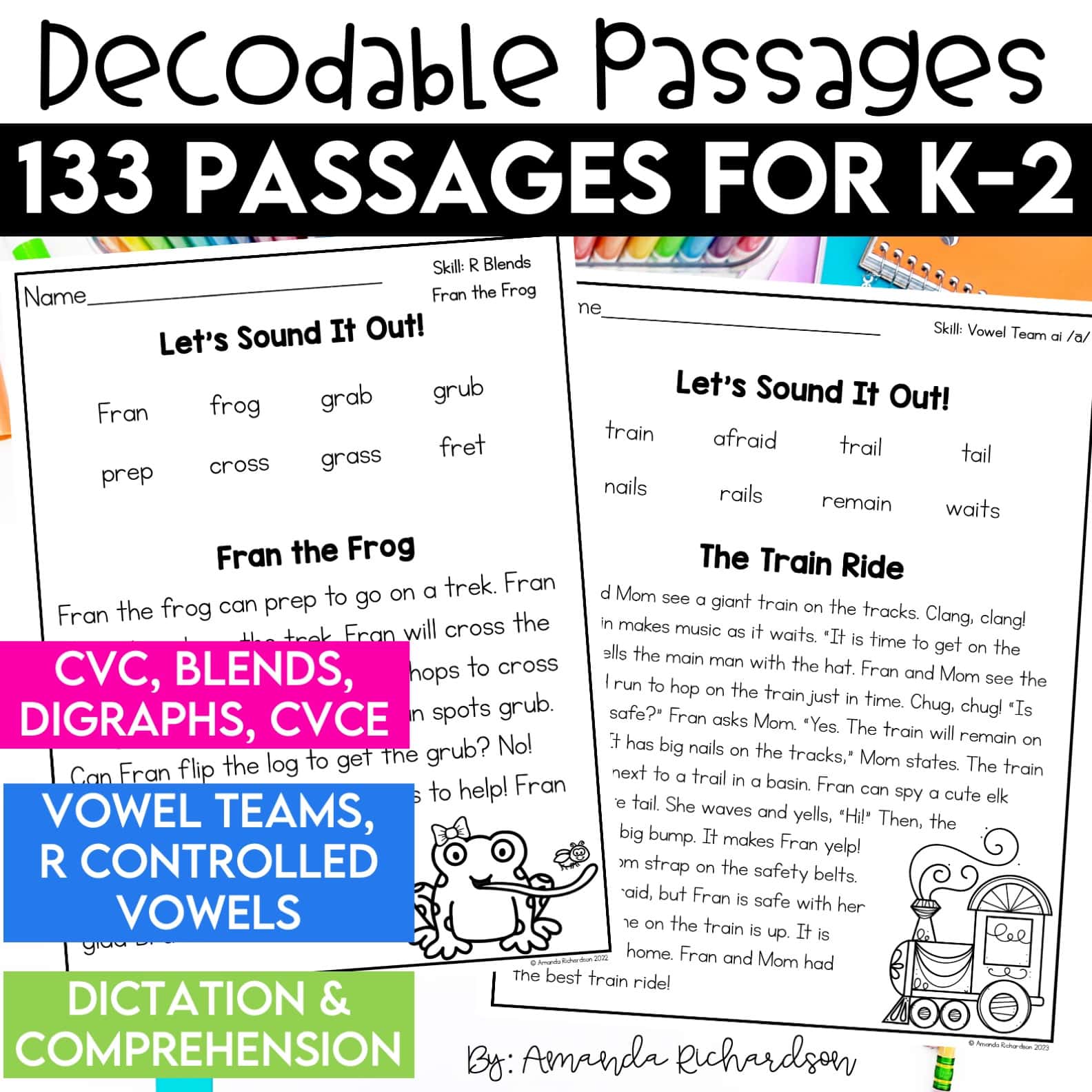
They’re a simple way to bring several important literacy skills together during small group instruction, intervention, or independent practice.
Finding the right decodable passages doesn’t have to feel overwhelming! Look for passages that align with your phonics instruction, provide meaningful reading practice, include comprehension, and offer opportunities to build fluency and encoding skills.
When we choose quality texts, we’re giving students opportunities to take what they’ve learned during phonics instruction and apply it to real reading.
And THAT is what helps our young readers grow!