




Now that the dust has settled on those new reading curriculums, many teachers are starting to notice something.
There are still reading gaps.
After all the challenges of teaching through Covid—and now with a shiny new curriculum in many of your hands—it’s clear that some of our students still need more support. Even with great Science of Reading aligned resources in place, the truth is, we’re teaching kids who missed big chunks of foundational instruction. And that shows up in their phonics, fluency, comprehension, and vocabulary.
So the big question is: How do we fill in the reading gaps while still moving forward?
The good news? You don’t have to reinvent the wheel. With a few targeted strategies and the right tools, you can help students catch up—right in your existing whole group and small group routines.
Let’s break it down!

Your whole group time is a great place to revisit and reinforce key skills that may have slipped through the cracks. This is a time to address reading gaps that you see within a lot of your readers. Here’s how you can make the most of it:
We often hear, “They’ve already been taught this already.” And that might be true! But remember—it takes up to six weeks for a phonics skill to really stick, according to phonics expert, Wiley Blevins. That’s a lot of time for guided practice, review, and repetition. Weeks!
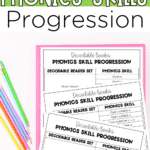
Use your whole group lessons to explicitly teach one phonics skill at a time. Break it down. Model it. Practice it in isolation and in context. Follow your phonics progression.
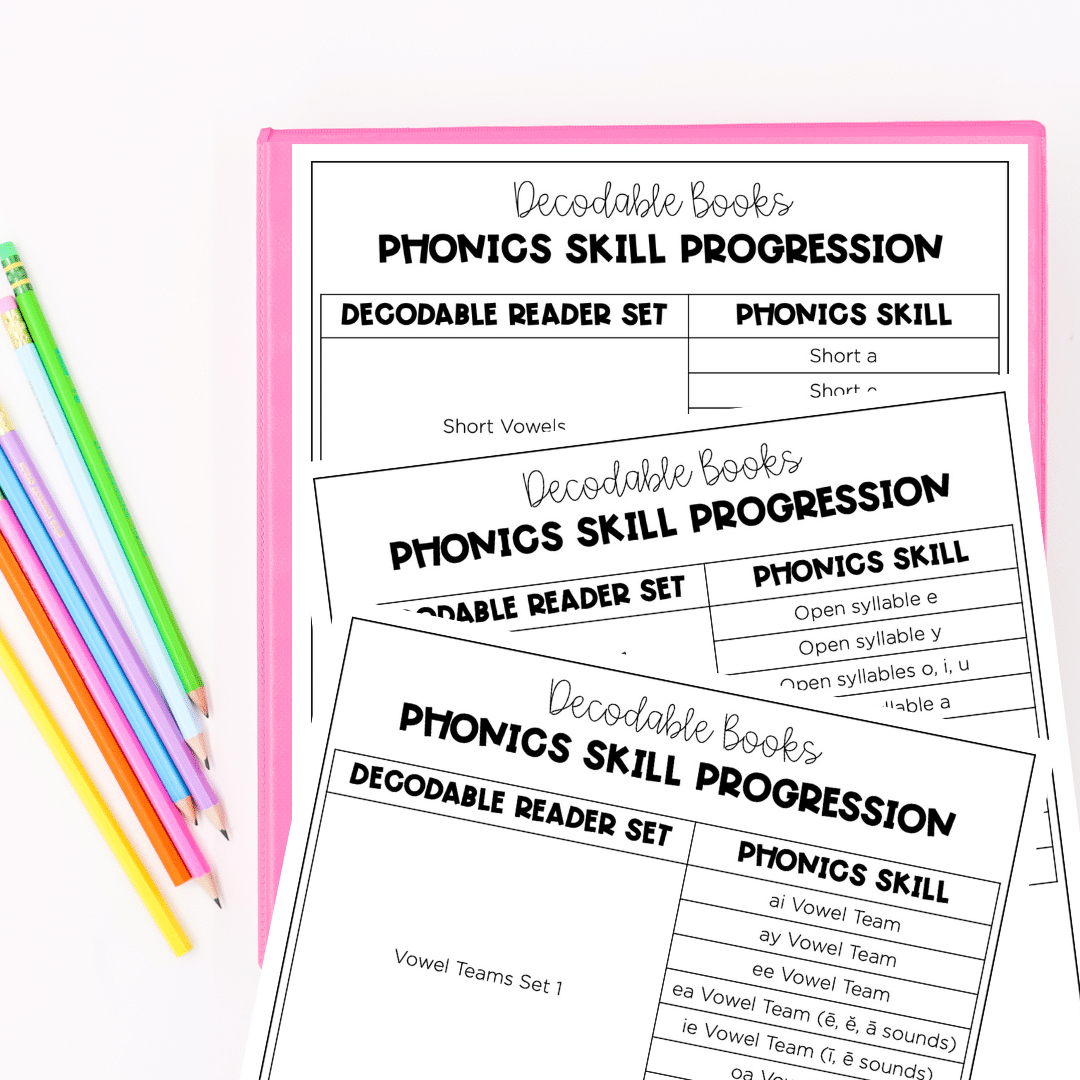
If you don’t have one, you can find a FREE one here!
In the decodable readers and lessons that are intended for small groups, there is a section specifically for phonics instruction that walks you through how to teach the letter and sound. This part of the lesson is perfect for this type of support in a whole group. Review it!
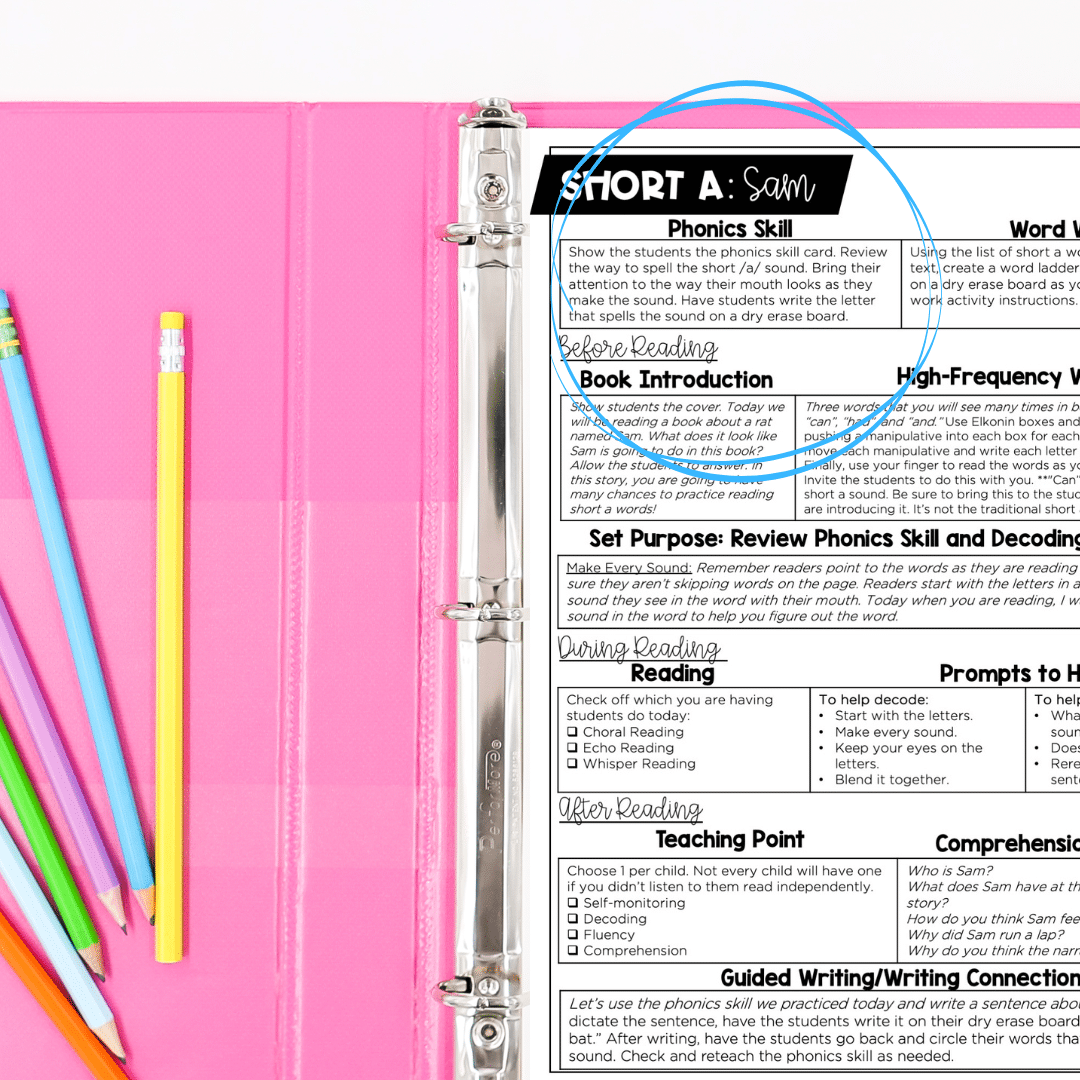
Together use a decodable passage to do a choral read that focuses on this skill after you have given explicit instruction.

Phonics sorts keep students engaged and give you a good idea of who still needs practice and who has mastered it. Plus, you get to praise them in front of peers and encourage them!

Whether it’s short vowels, blends, or vowel teams—don’t be afraid to slow it down and give your students time to truly master each skill. You’re not holding them back—you’re giving them the foundation they need to move forward with confidence.
Let’s not forget that comprehension and vocabulary are just as critical as decoding. We learn this from Scarborough’s Reading Rope.

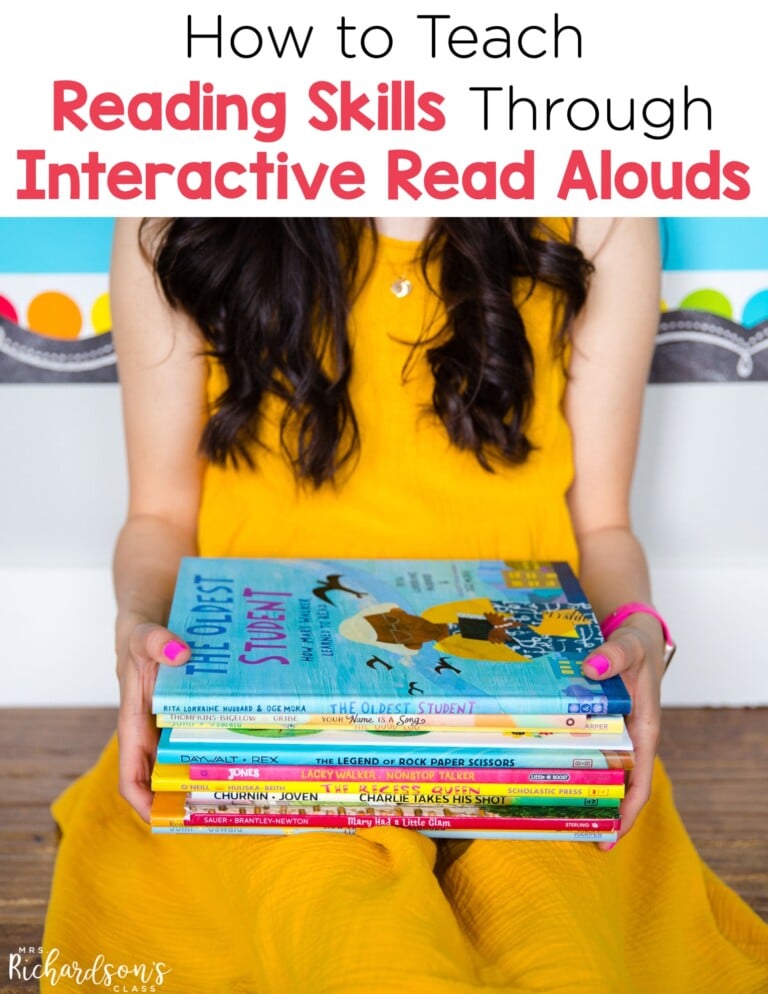
And one of the best ways to teach those skills is through high-quality, interactive read alouds. One thing that seems to have slipped away with our new curriculum are read alouds.
Use resources from The Read Aloud Library to teach essential comprehension strategies like making predictions, identifying the main idea, cause and effect, and more—all with engaging picture books your students will love.
Think of your read aloud time as more than a cozy moment on the carpet (though it should be that, too!). With a little intention, it becomes a powerful way to:
And bonus—students don’t need to be able to decode the text yet to deeply engage with it. Everyone can participate, regardless of reading level.
Phonics instruction doesn’t stop when you are done with reading and decoding—it truly comes to life during writing! One of the most powerful ways to solidify phonics skills is to model how those skills show up when we’re writing words, sentences, and stories.
During class journaling, shared writing, or interactive writing (hello, shared pen!), make it a habit to think out loud about sounds and spelling patterns.
Say things like:
“Hmm… I want to write the word train. That has the ai vowel team in the middle. Let’s stretch it out together!”

When students see you applying phonics skills in real-time writing, it reinforces the idea that phonics isn’t just a separate subject—it’s a tool they can use all day long. Writing becomes the perfect place to show how those skills connect and why they matter.
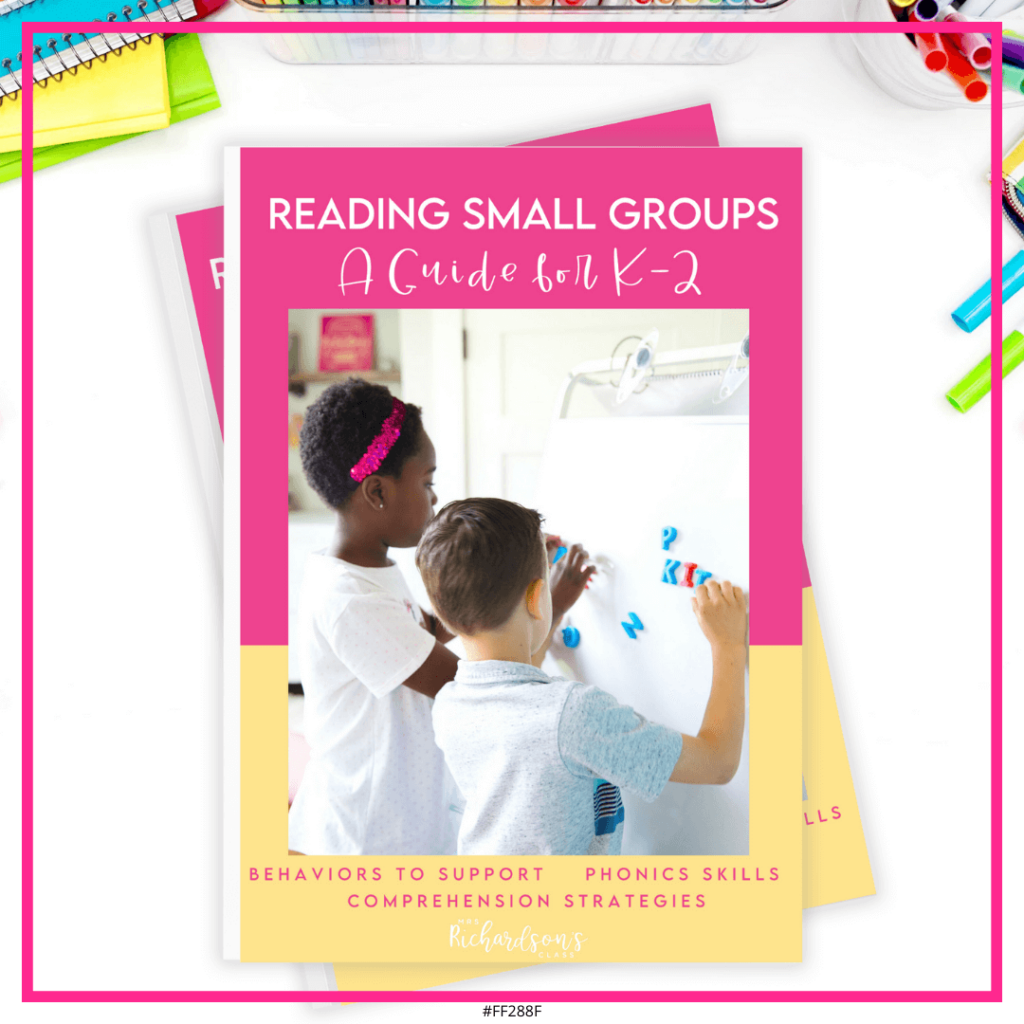
Whole group instruction builds the foundation, but small group is where the magic really happens and you can work to continue filling in reading gaps. This is where you can meet students exactly where they are and give them the practice they truly need.
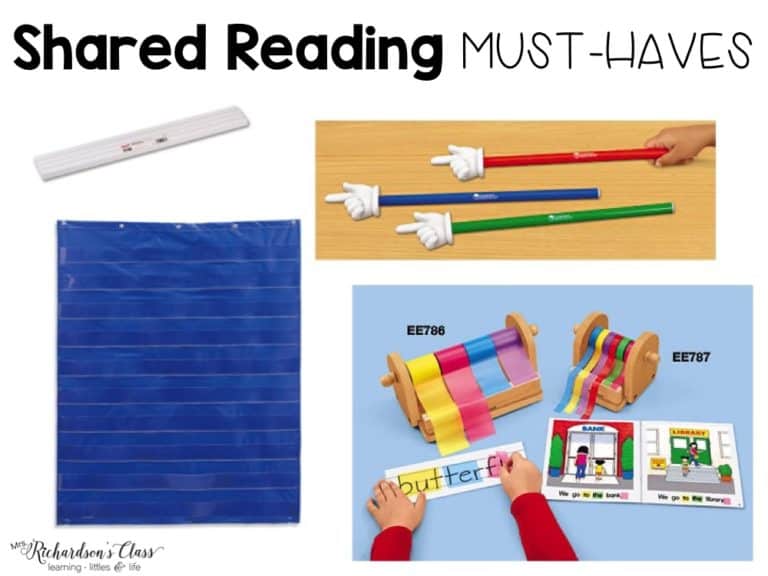
If you’re feeling overwhelmed about where to start as you work to on filling gin the reading gaps, don’t worry—I’ve got you. There’s a Free Small Group Manipulatives set on the blog that’s perfect for organizing your small group area and getting started with hands-on practice.

Use those tools for:
When students can move things around and “see” the sounds and words, it deepens their understanding in big ways.
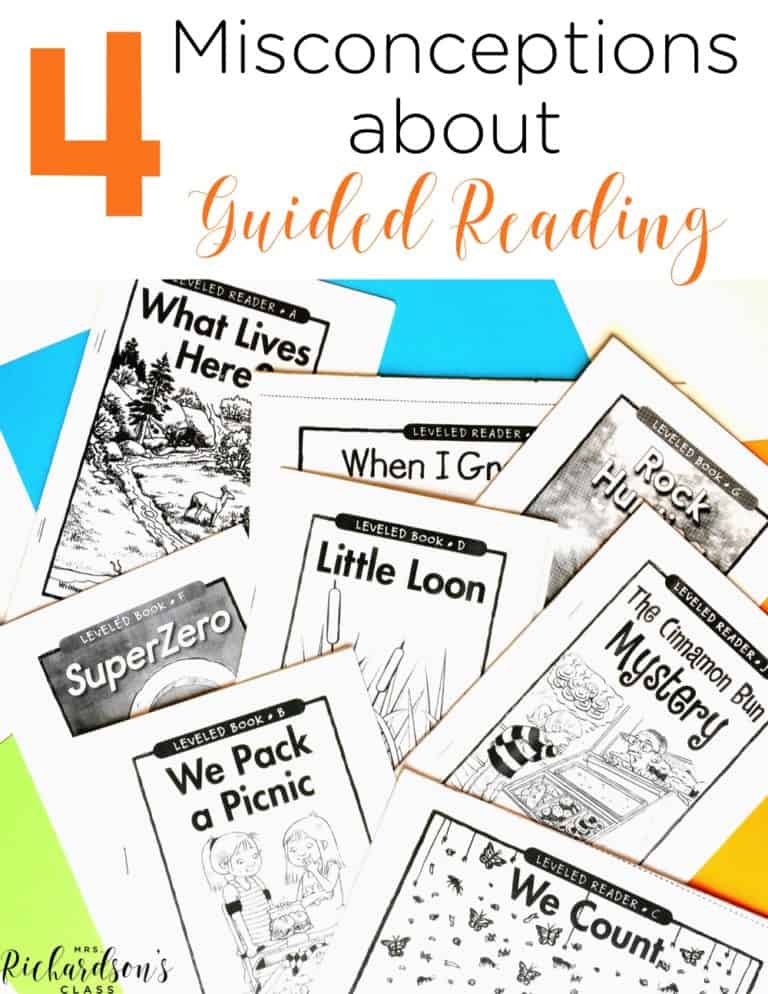
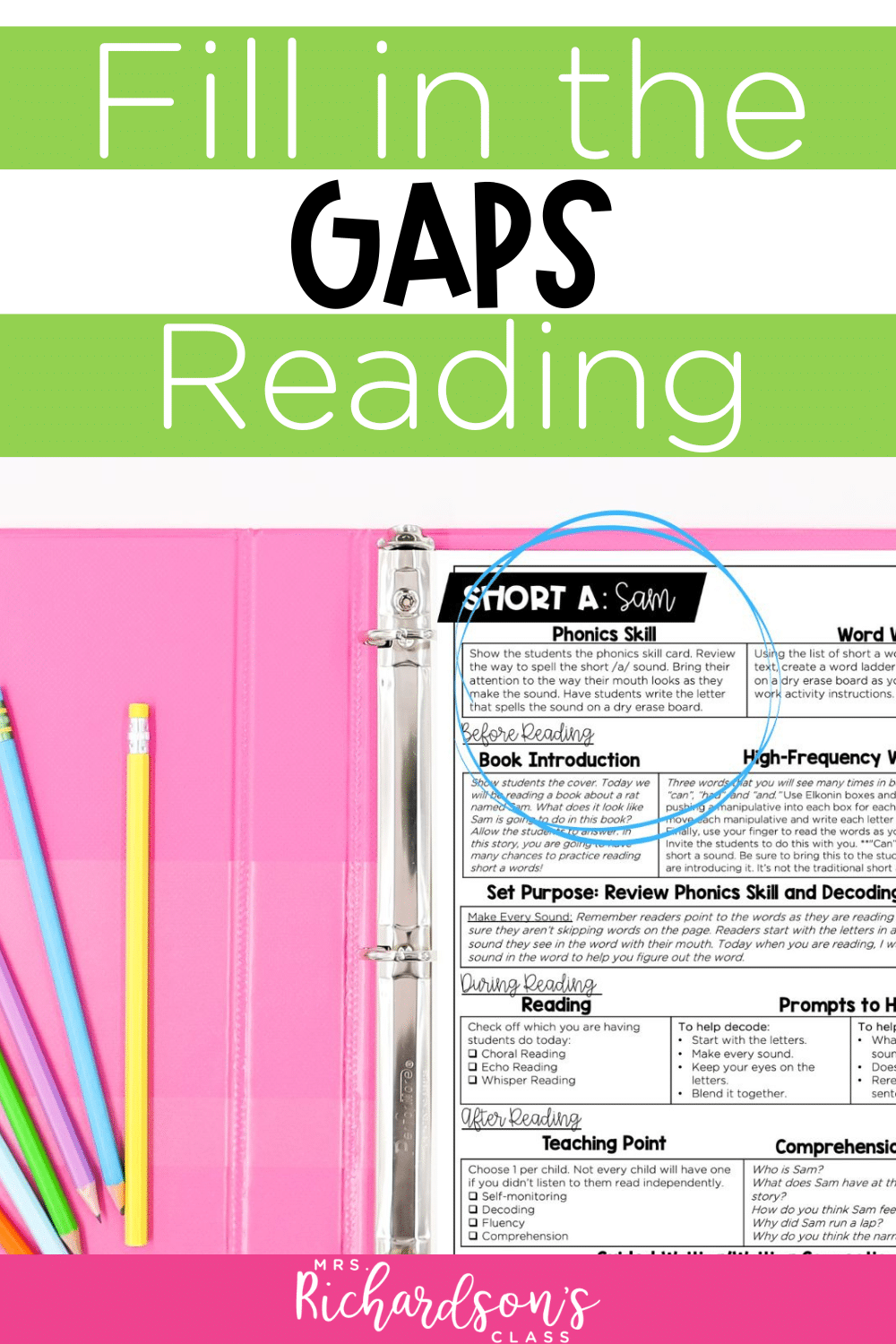
Once you’ve identified the reading gaps and phonics skills your students are working through, use Decodable Readers and Lessons to target those exact skills. While decodable passages are great, decodable readers are a book and unlike a lot of decodable readers, they truly have a storyline and are great for comprehension.
These aren’t just readers—they come with built-in lessons that include:
It’s a one-stop-shop for small group instruction and filling in reading gaps, and it lets you keep everything aligned and purposeful.
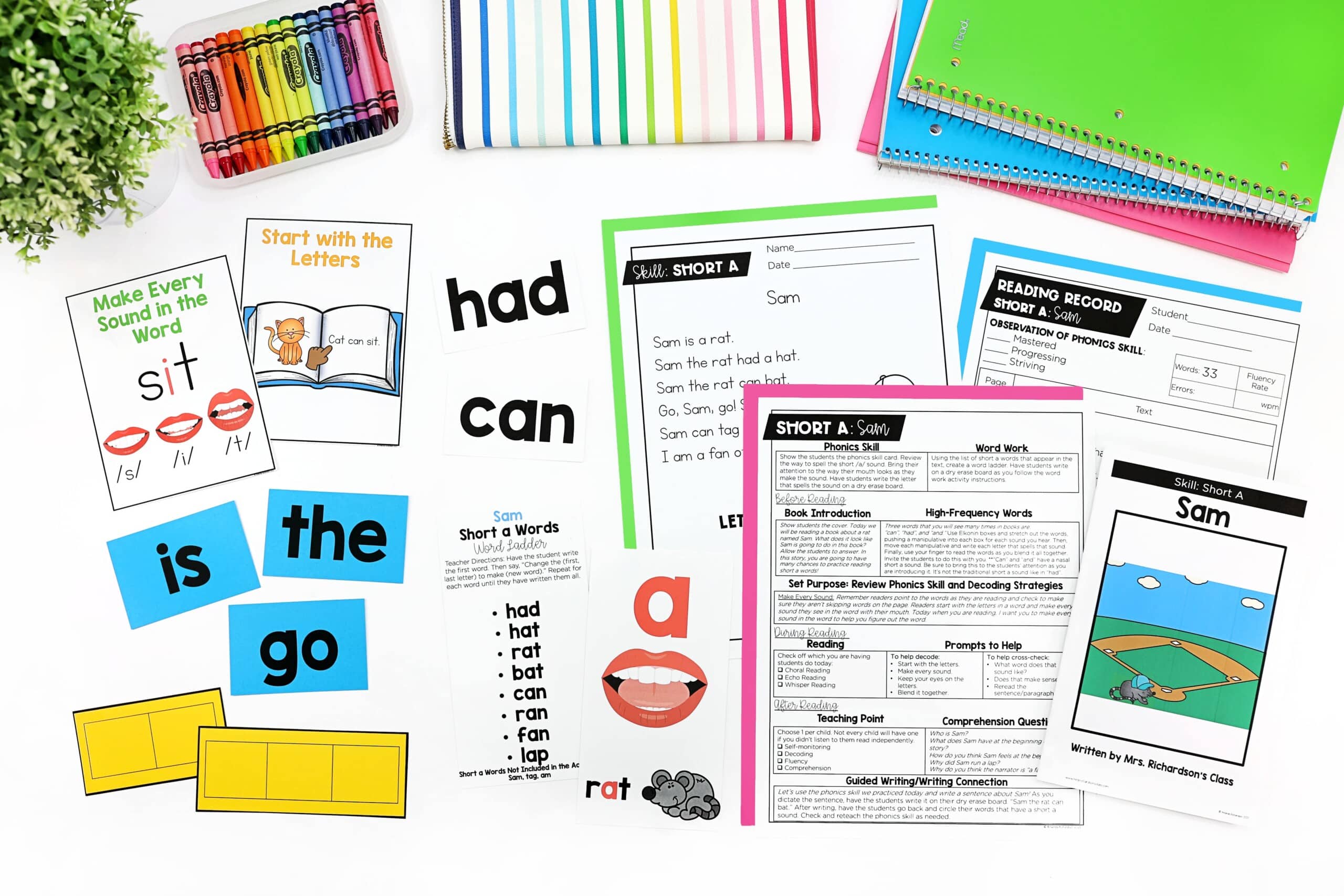
Try a lesson FREE!
You don’t need to overhaul your day or create brand-new systems. What you need is:
This is how we fill the reading gaps—by staying steady, using our time well, and giving kids exactly what they need, when they need it.
Your students don’t need perfect instruction in a perfect year. They just need you—a teacher who’s showing up, noticing what they need, and giving them the chance to grow as you work to help fill in the reading gaps.
You’re already doing amazing work! Let me help you make it a little easier.
pin it