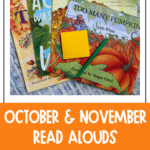




Fall is one of my favorite seasons for picture books. Pumpkins, bats, leaves, turkeys… there are so many great ones to choose from! But be honest with me, friend. How often do you read a great book, close it, and move straight on to the next thing on your schedule? That’s where read aloud extensions come in.
I get it. Your literacy block is packed with phonics, small groups, and intervention, and the read aloud is usually the first thing to get rushed. It shouldn’t have to be.
With a little planning, one good book can carry a whole week of learning. In this post I’ll share 4 read aloud extensions using oral language, vocabulary, writing, and comprehension discussions. Each one includes ideas for kindergarten, first grade, and second grade.
The short answer: read the book more than once, and give each read a purpose. On the first read, students enjoy the story. On later reads you go deeper with talk, vocabulary, writing, and discussion as read aloud extensions.
Why does this matter so much? Scarborough’s Reading Rope shows that skilled reading needs two strands: word recognition and language comprehension. Language comprehension includes background knowledge, vocabulary, language structures, verbal reasoning, and literacy knowledge. Our youngest students can understand books far above what they can decode on their own, so the read aloud is where we build that language strand.
Oral language is the foundation for reading and writing. When students talk about a book, they practice the vocabulary and sentence structures they will later need on paper. Instead of calling on one hand, plan two or three turn-and-talk moments. Here are some examples of what this could look like.
Kindergarten: Give a sentence stem and model it first. “I think Spookley is ___ because ___.” Have partners take turns while you listen in.
First Grade: Ask partners to retell the story using first, next, then, and last. Retelling builds sequencing and story structure.
Second Grade: Have students agree or disagree with a partner and point to the page that supports their thinking. “I agree with ___ because on this page…”
Teacher Tip: Assign partners once at the start of the month and keep them for every read aloud. You’ll save time on every lesson. Then, you can switch it up for the next month! I liked to call these our “Sticky High-Five Partners” because they would turn and give a high-five to someone beside them and it would “stick” while they talked!
Fall picture books are full of rich words students won’t hear in everyday conversation. Researchers Isabel Beck, Margaret McKeown, and Linda Kucan call these Tier 2 words: useful words that show up across many books. Choose two or three per book and teach them on purpose.
A simple routine:
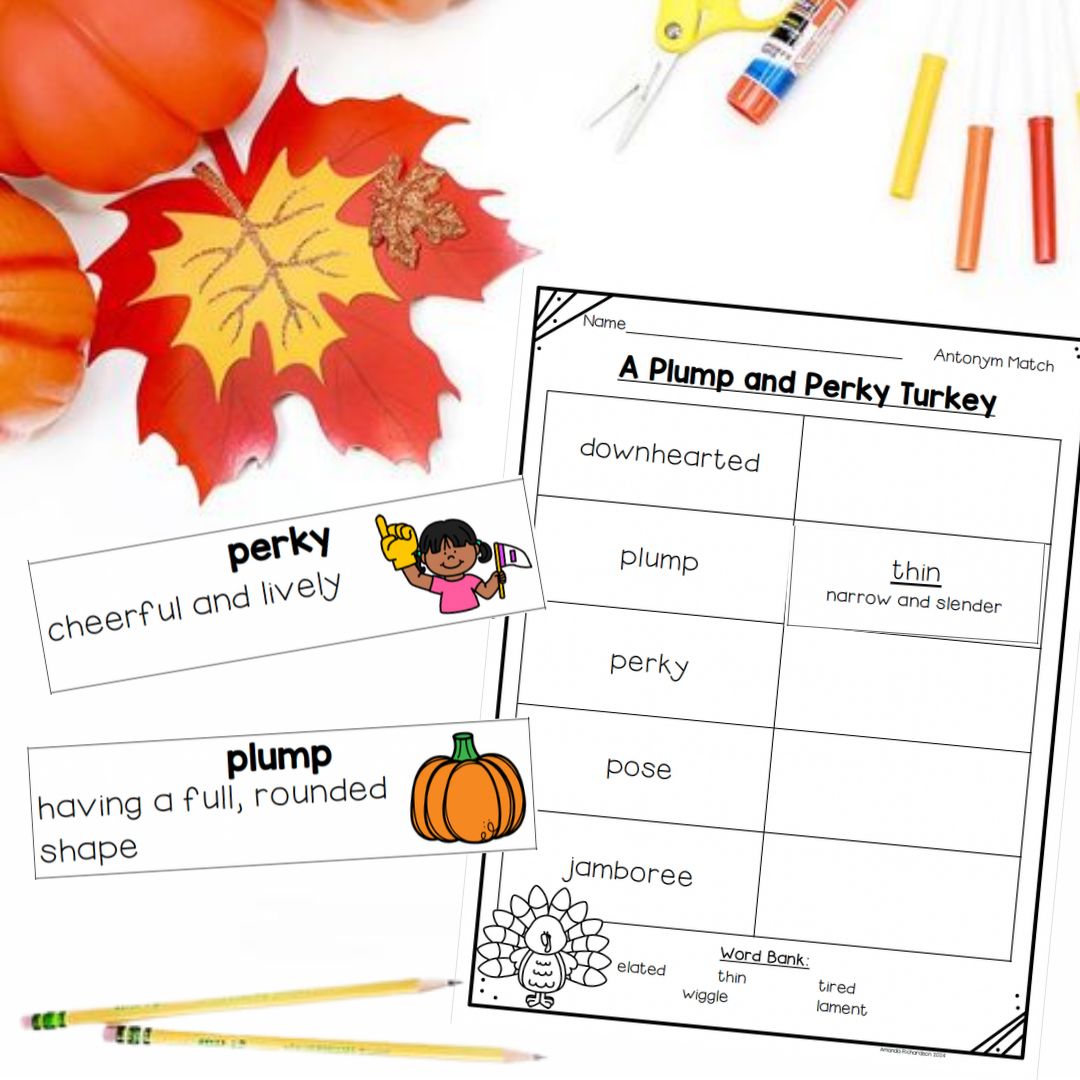
Kindergarten: Add a gesture or action for each word so students can show its meaning.
First Grade: Give a sentence frame for students to finish with the new word.
Second Grade: Have students brainstorm synonyms or rank related words from weakest to strongest (shades of meaning).
Teacher Tip: Post your read aloud words on a “Words We’re Learning” chart and challenge students to use them during the week.
My own child at home has been reading Little House in the Big Woods at school and each week he has come home with new words he has learned! It’s been fun to see his excitement as he tries to use them in context. It’s so fine to see this read aloud extension naturally play out!
Once students have talked about a book and learned new words, they’re ready to write. A familiar story gives every student something to say, which takes away the dreaded “I don’t know what to write.”
Kindergarten: Students draw a favorite part and label it, then dictate or write one sentence with a stem like “I liked when ___.”
First Grade: Students write two or three sentences giving an opinion or a prediction, plus a reason.
Second Grade: Students write a short paragraph or a letter to a character, using one of the vocabulary words from the week.
Teacher Tip: Encourage students to sound out words using the phonics patterns they already know. Writing about a read aloud is great encoding practice while also being a a great addition to your read aloud extensions!
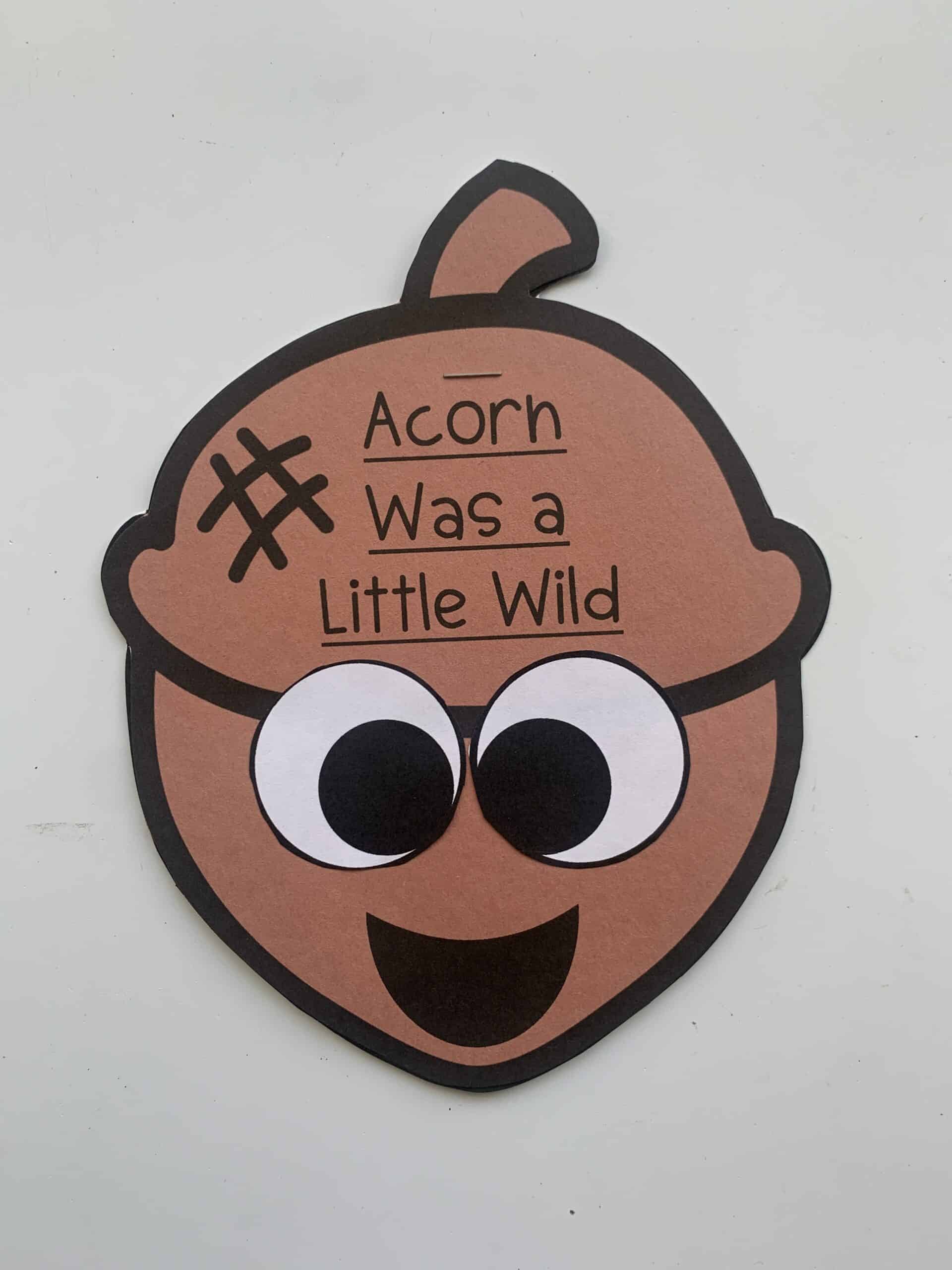
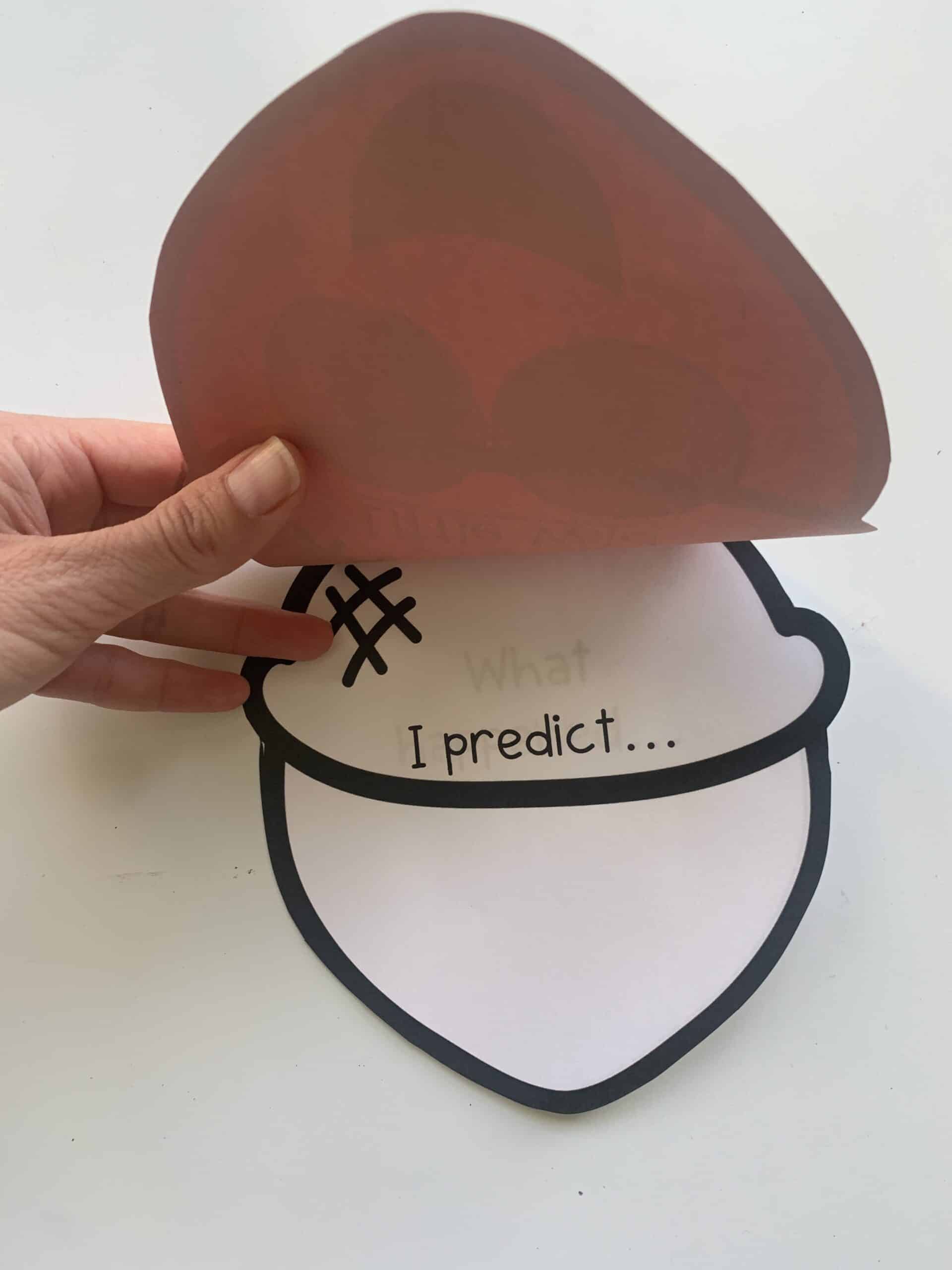
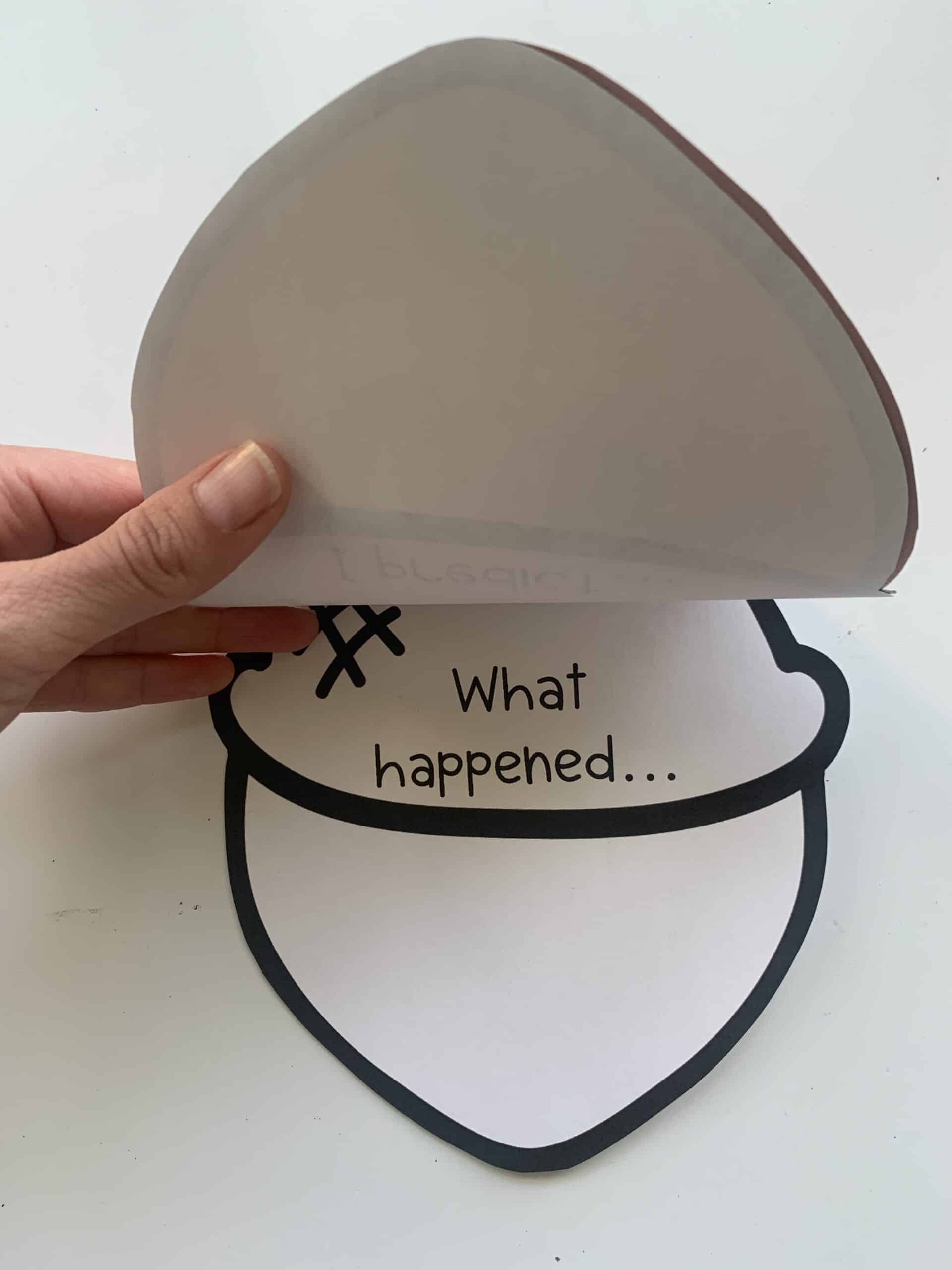
Have you ever stopped mid-page, tried to think of a good question, and ended up asking “What color was the pumpkin?” Me too! Comprehension discussions work best when you plan your stopping points before you read.
Choose one comprehension strategy per book, such as predicting, visualizing, questioning, or inferring. Then plan three or four places to stop and talk.
Kindergarten: Focus on who, what, and where questions, then add one “Why do you think…?” question.
First Grade: Stop before a big moment and ask students to predict, then explain their reason.
Second Grade: Ask students to infer how a character feels and find clues in the words and pictures. In Stellaluna, how does Stellaluna feel living with the birds? How do you know?
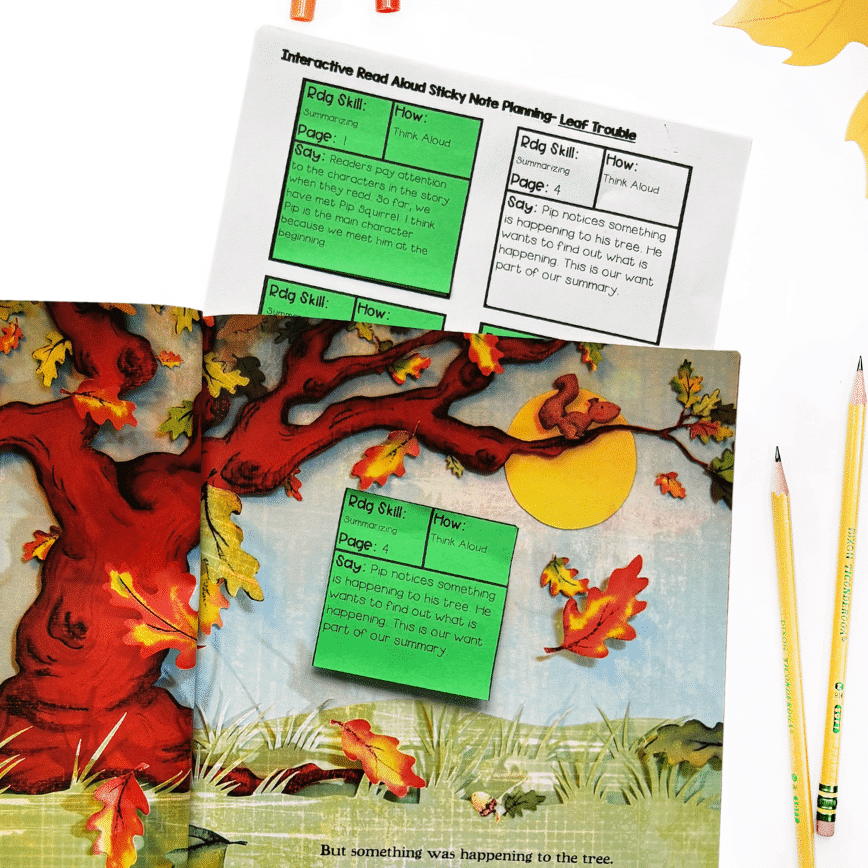
Teacher Tip: Write your questions on sticky notes and place them right in the book. Next year, they’re already done!
Here’s how those four read aloud extensions fit into one week with the same book:
Only 15 to 20 minutes a day, and students leave knowing that book inside and out.
Now, I know what you’re thinking. This sounds great, but when am I supposed to plan all of this? That’s exactly why I made my monthly read aloud lessons. The books are chosen, the strategies are mapped out, and the lessons are ready to teach.


You don’t have to try all four read aloud extensions this week, friend. Pick one fall book your students already love and add just one extension: a turn-and-talk, a couple of vocabulary words, or a quick writing response. Once that feels easy, add another. Before long, every read aloud will be doing more of the heavy lifting in your literacy block, and your students will be talking, writing, and thinking more deeply about the books they hear.
Which of these four extensions are you going to try first? Tell me in the comments!