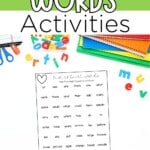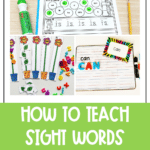








When it comes to early reading, few topics cause more confusion than sight words. Are they the same as high-frequency words? Should students memorize them? What are “heart words”? And how do you actually track progress?
If you’ve ever felt unsure, you’re not alone. Let’s break down everything you really need to know about sight words so you can confidently choose and use effective sight word activities that actually support reading development.
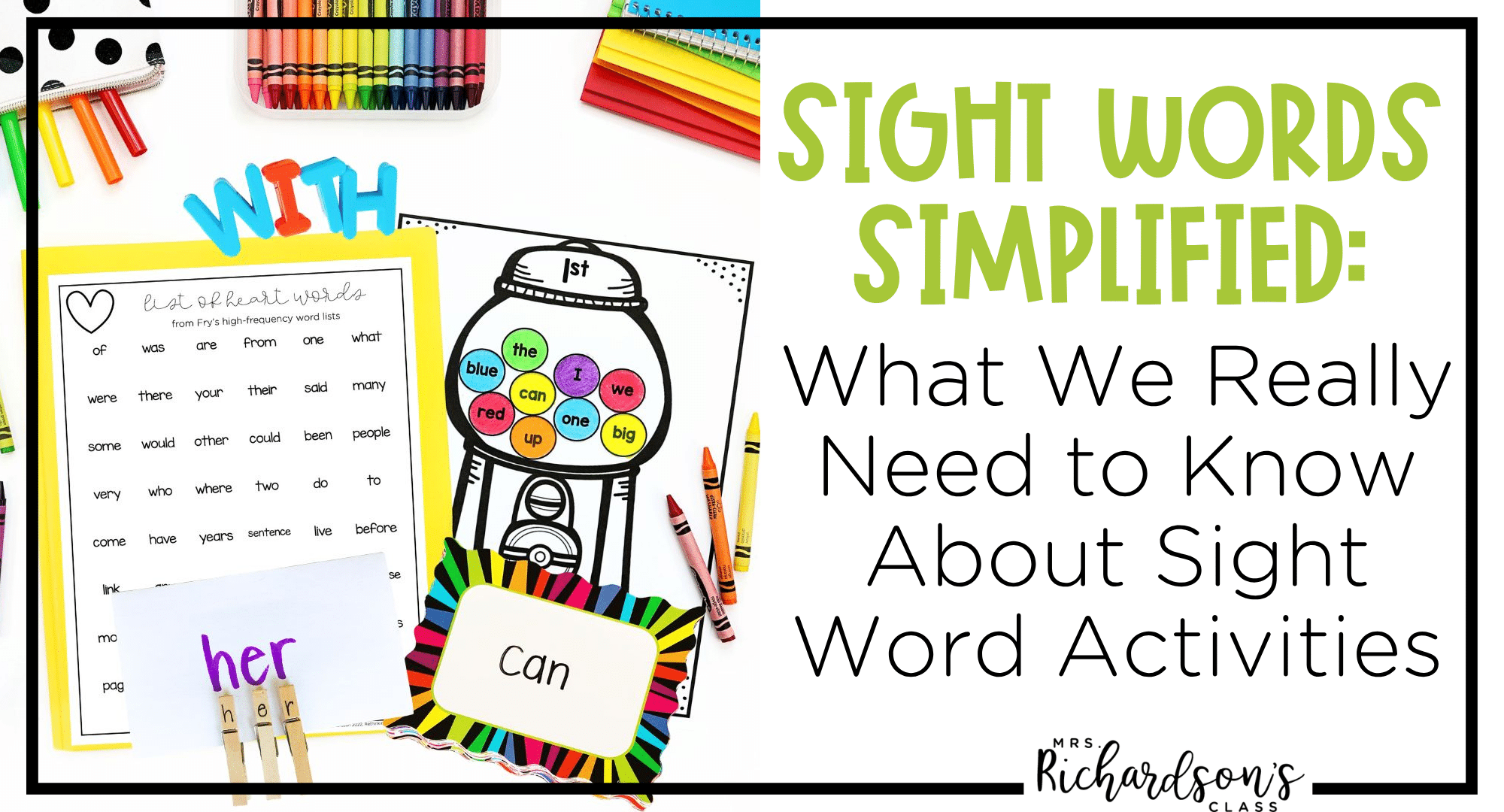
This is where most confusion starts. If you are like I was, you may be using these phrases interchangeable. But the truth is, they are not interchangeable. They are actually different.
High-frequency words are simply the words that appear most often in text (think: the, and, is, to). These words make up a large percentage of what students read. Often I think we refer to high-frequency words as sight words.
Sight words, on the other hand, are words that students can read instantly and automatically without needing to decode. Honestly, this is how you and I read most text because we are skilled readers.
Remember this…
All sight words can be high-frequency words, but not all high-frequency words are sight words yet.
A word only becomes a sight word after a student has learned it and stored it in memory.
This distinction matters because it shifts our focus. Instead of asking, “Have they memorized this list?” we ask, “Can they read this word automatically in text?” You can read more about this HERE in this blog post.
A sight word is not a word that students guess or memorize by shape. We want them to learn to decode the words first, then move them to their long term memory.
A sight word is a word that has been orthographically mapped in the brain. That means students have connected:
Once this connection is made, the word becomes instantly recognizable. So when we use sight word activities, the goal isn’t rote memorization—it’s helping students build these strong connections so words “stick.”
The most effective way to teach sight words is through orthographic mapping—not flashcards alone, not guessing, and not memorizing by sight. When I first started teaching, I definitely thought we just needed kids to memorize these words.
Here’s what that looks like in practice:
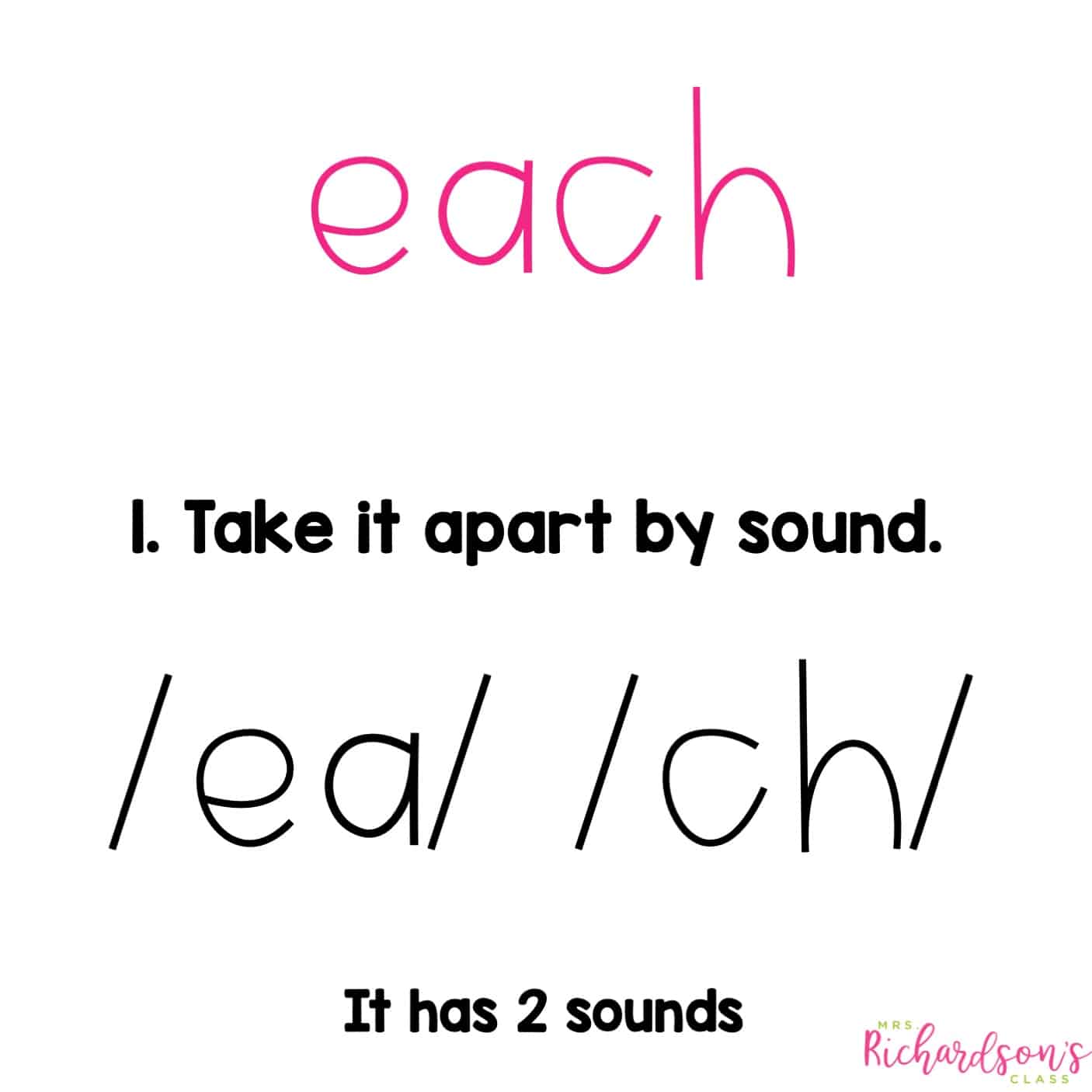
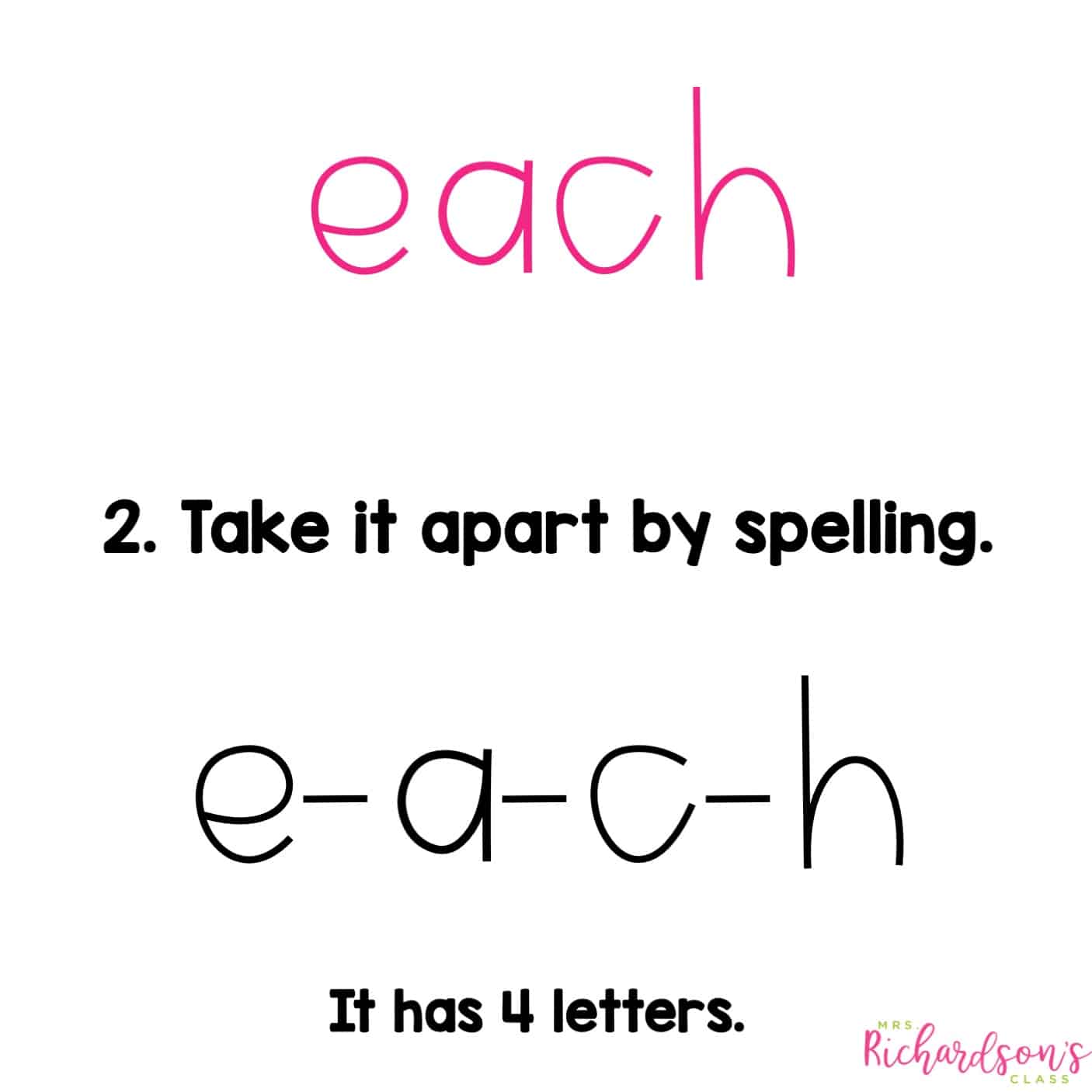
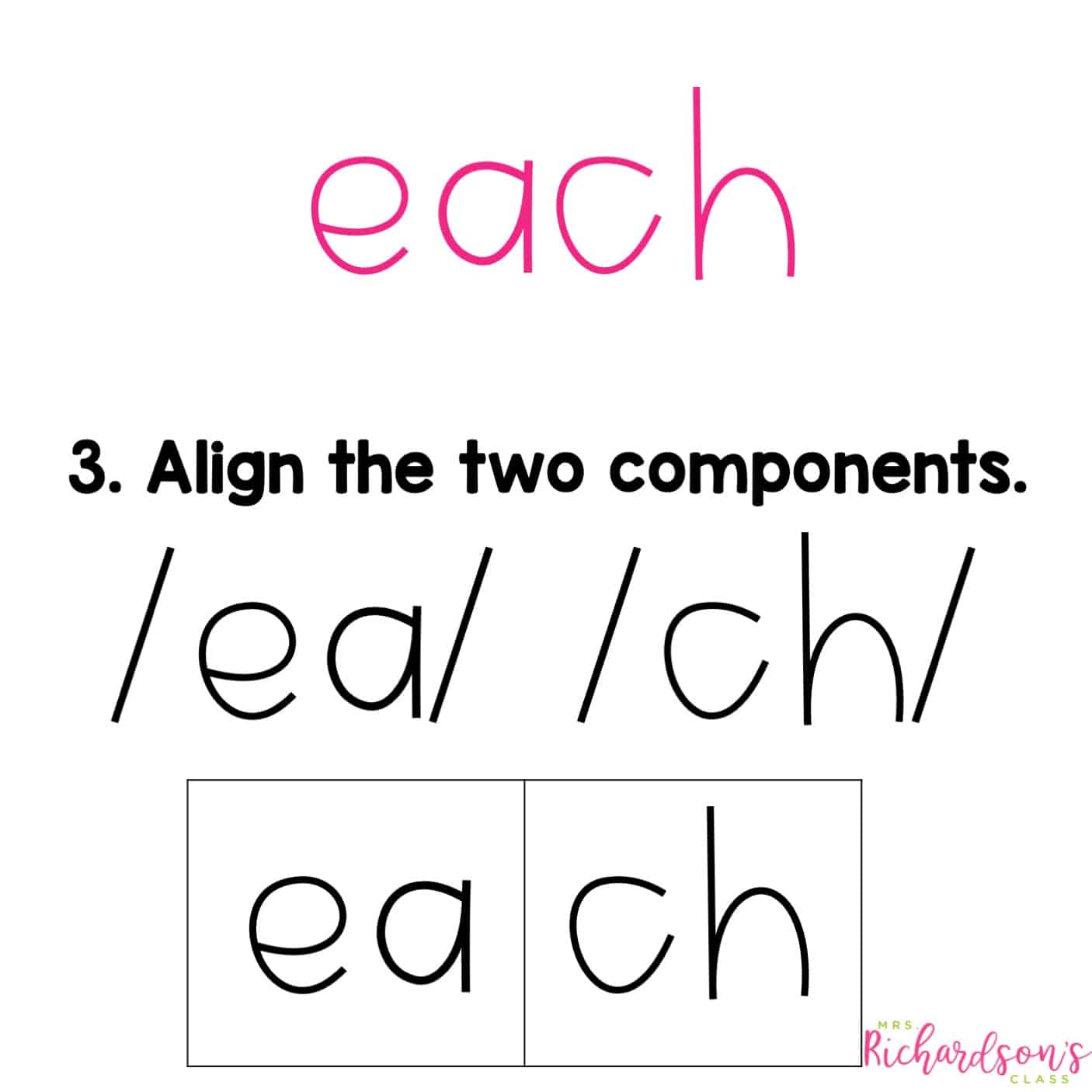
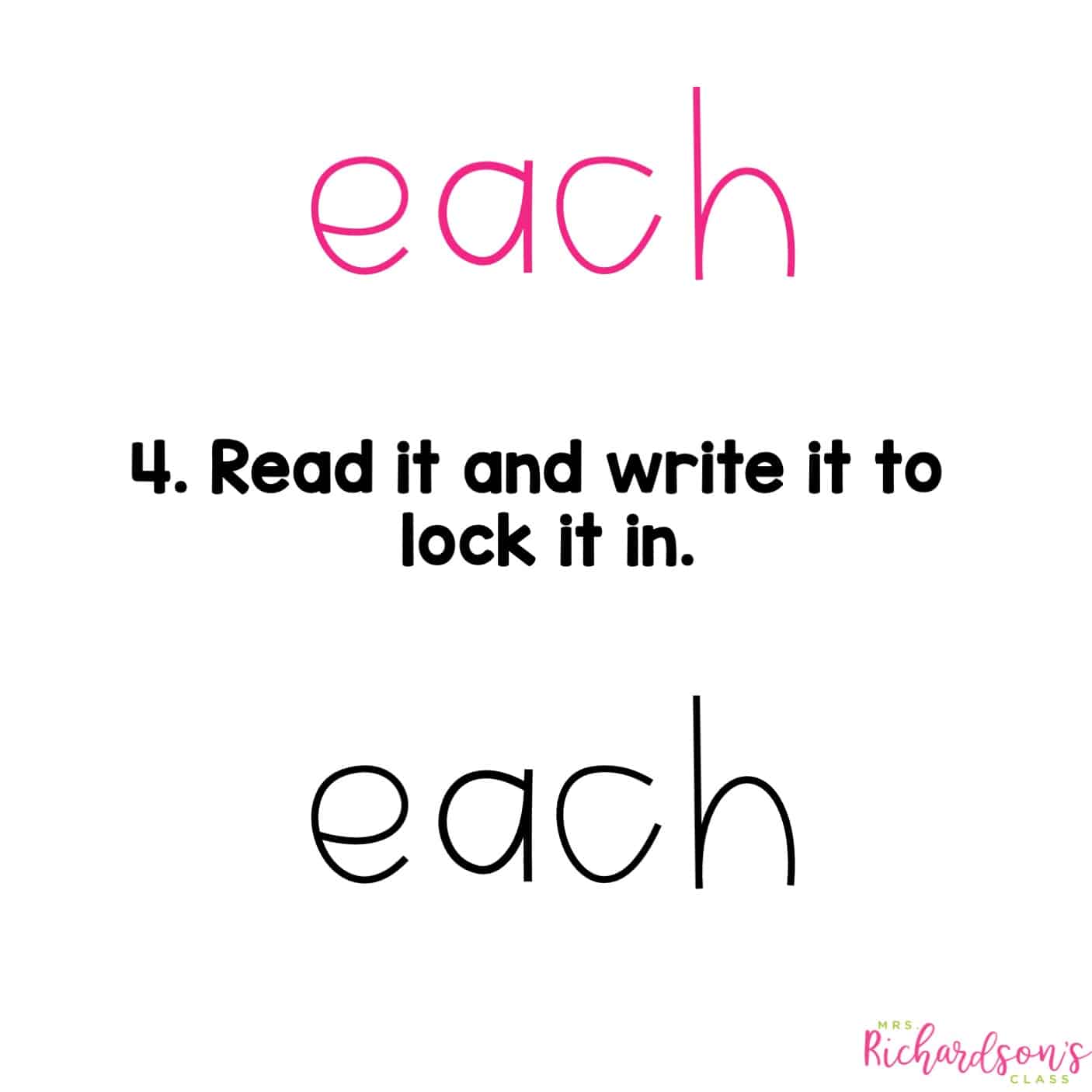
Let’s look at this again with the word said:
Then students read and write the word multiple times in meaningful context. This is why effective sight word activities should include:
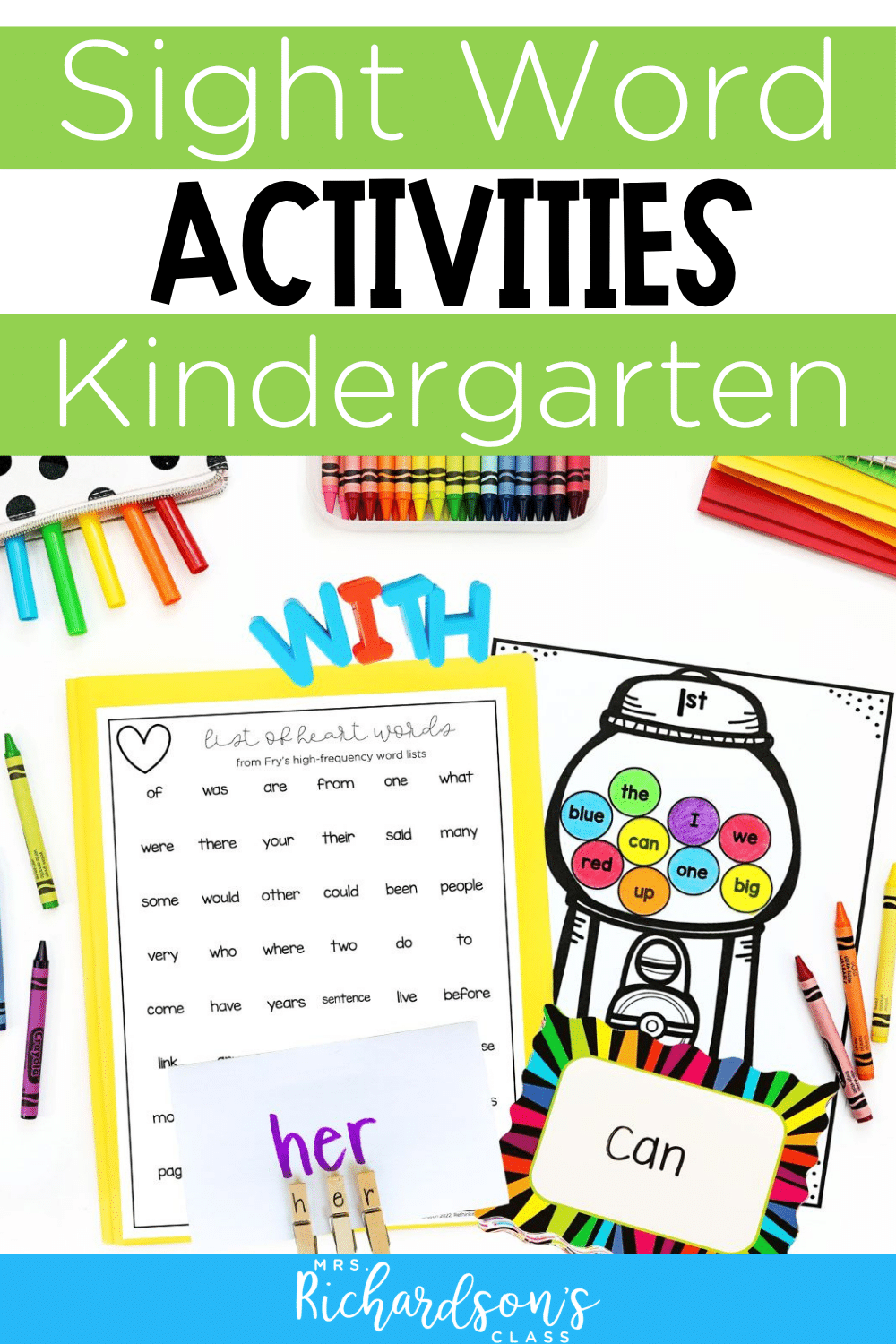
You may have heard the term heart words being used a lot in the literacy world as science of reading research is rising to the top. Heart words are high-frequency words that have irregular parts students must learn “by heart.”
Instead of treating the whole word as irregular, we:
For example:
This approach aligns perfectly with how the brain learns to read. But it’s important to remember that not all high-frequency words are heart words. Many high-frequency words are completely decodable and should be taught using phonics first, not memorization.
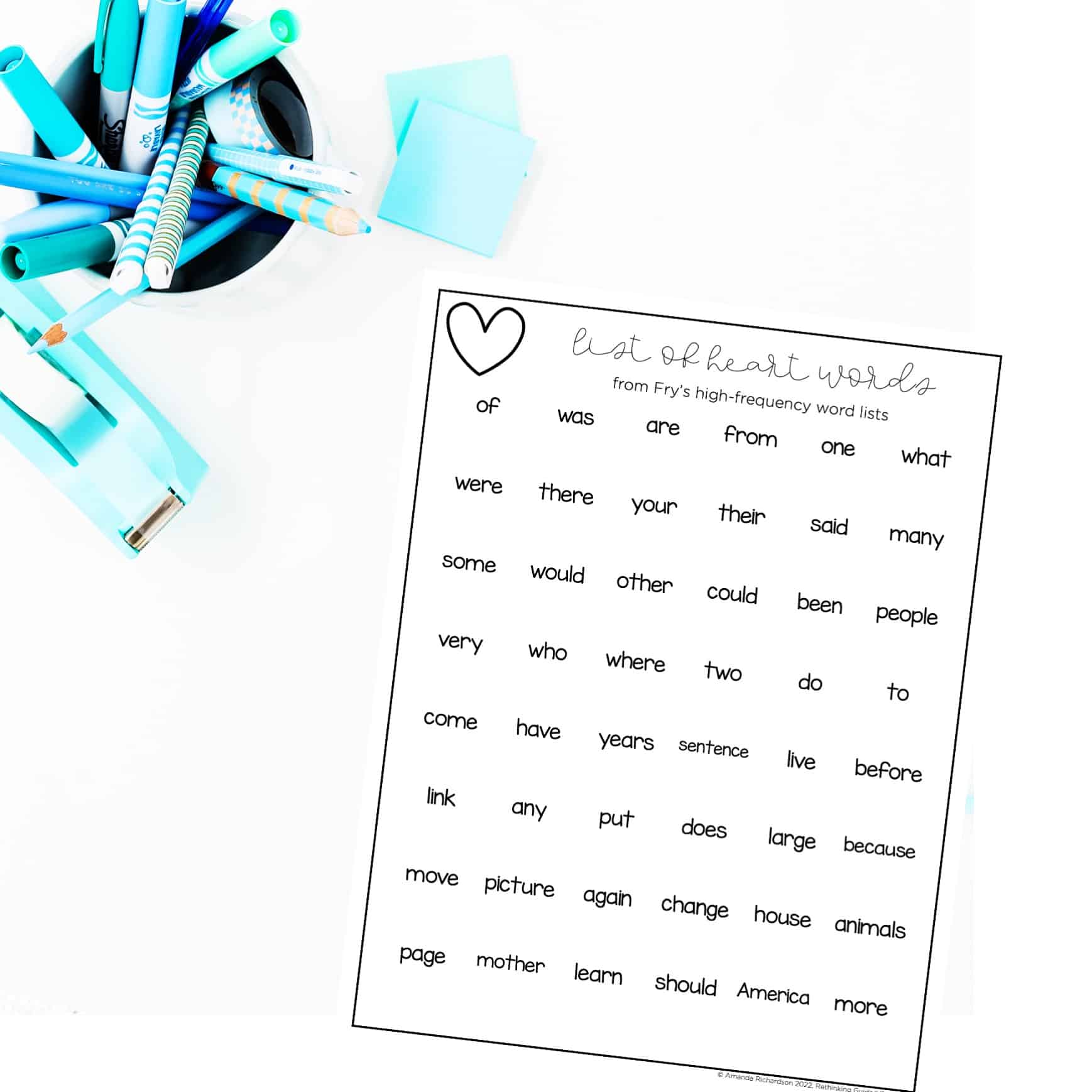
Using heart word strategies within your sight word activities helps students:
Tracking sight word knowledge is often overlooked—but it’s essential. Instead of checking if students can recite a list, we want to know:
✔ Can they read the word automatically in isolation?
✔ Can they read it in a sentence?
✔ Can they spell it?
✔ Do they retain it over time?
Here are a few simple ways to track progress:
1. Quick Fluency Checks
Show words individually and track automatic recognition (within 1–2 seconds).

2. Context Reading
Have students read sentences or decodable text that includes the words.
3. Spelling Checks
Ask students to write the word after mapping it.
4. Ongoing Data Tracking
Keep a record of:

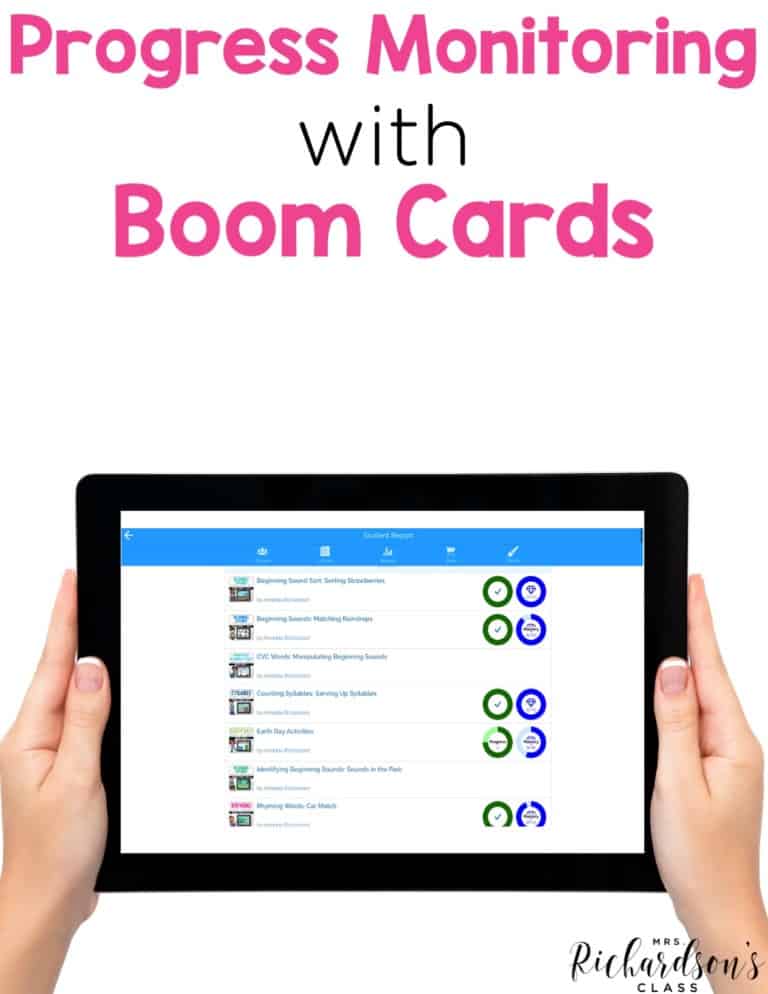
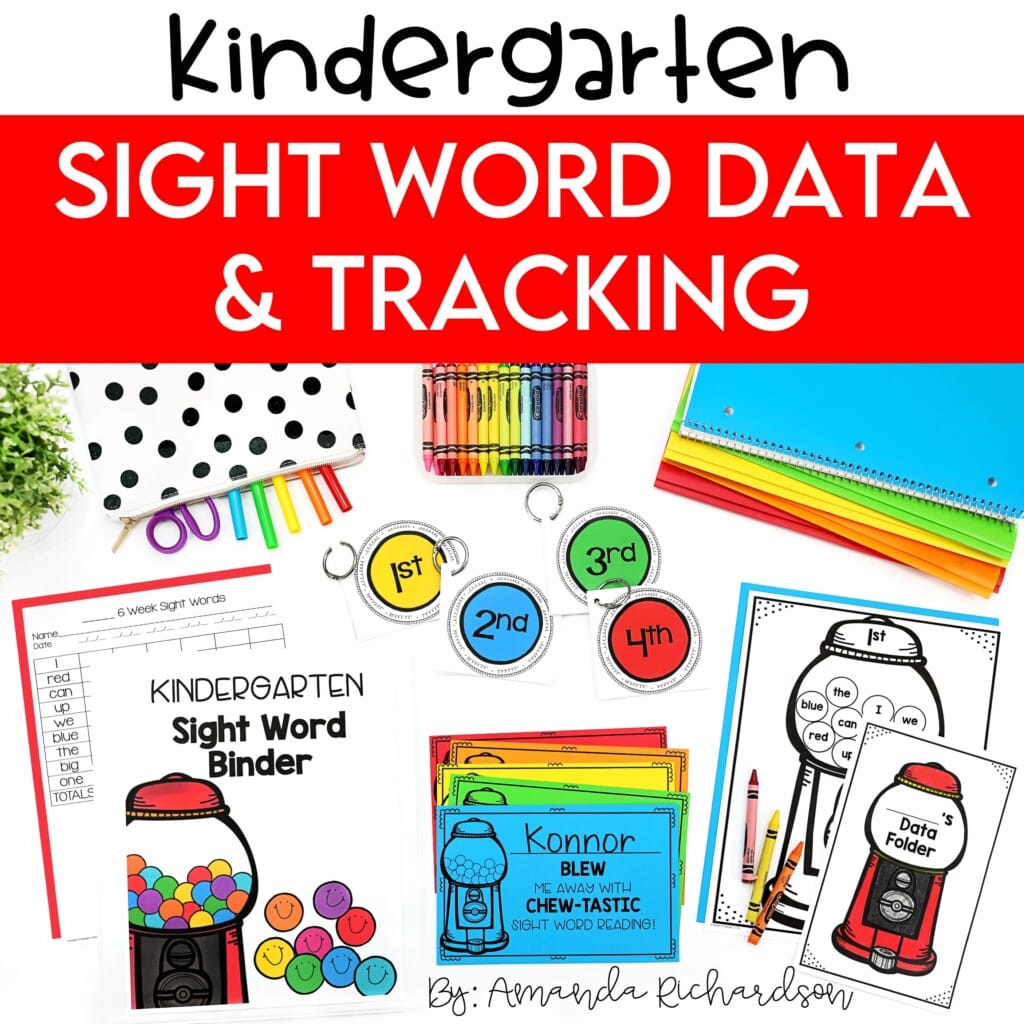
The best sight word activities are paired with consistent tracking so instruction stays targeted and efficient. Get supportive tools to track high-frequency words HERE.

Not all sight word activities are created equal. Effective activities should reinforce phoneme-grapheme connections, include reading and writing, provide repeated exposure, and be engaging!
Some simple sight word activities are:
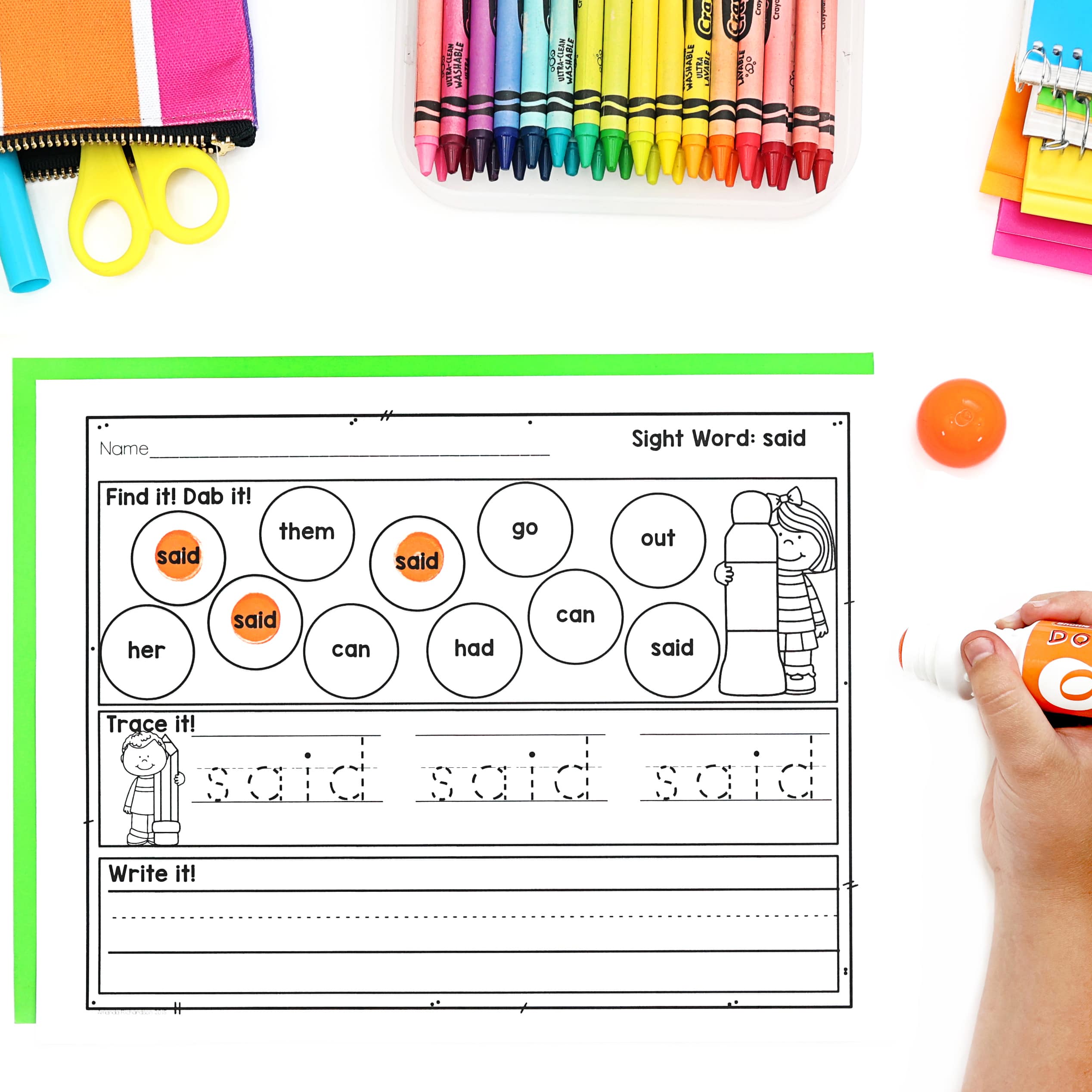
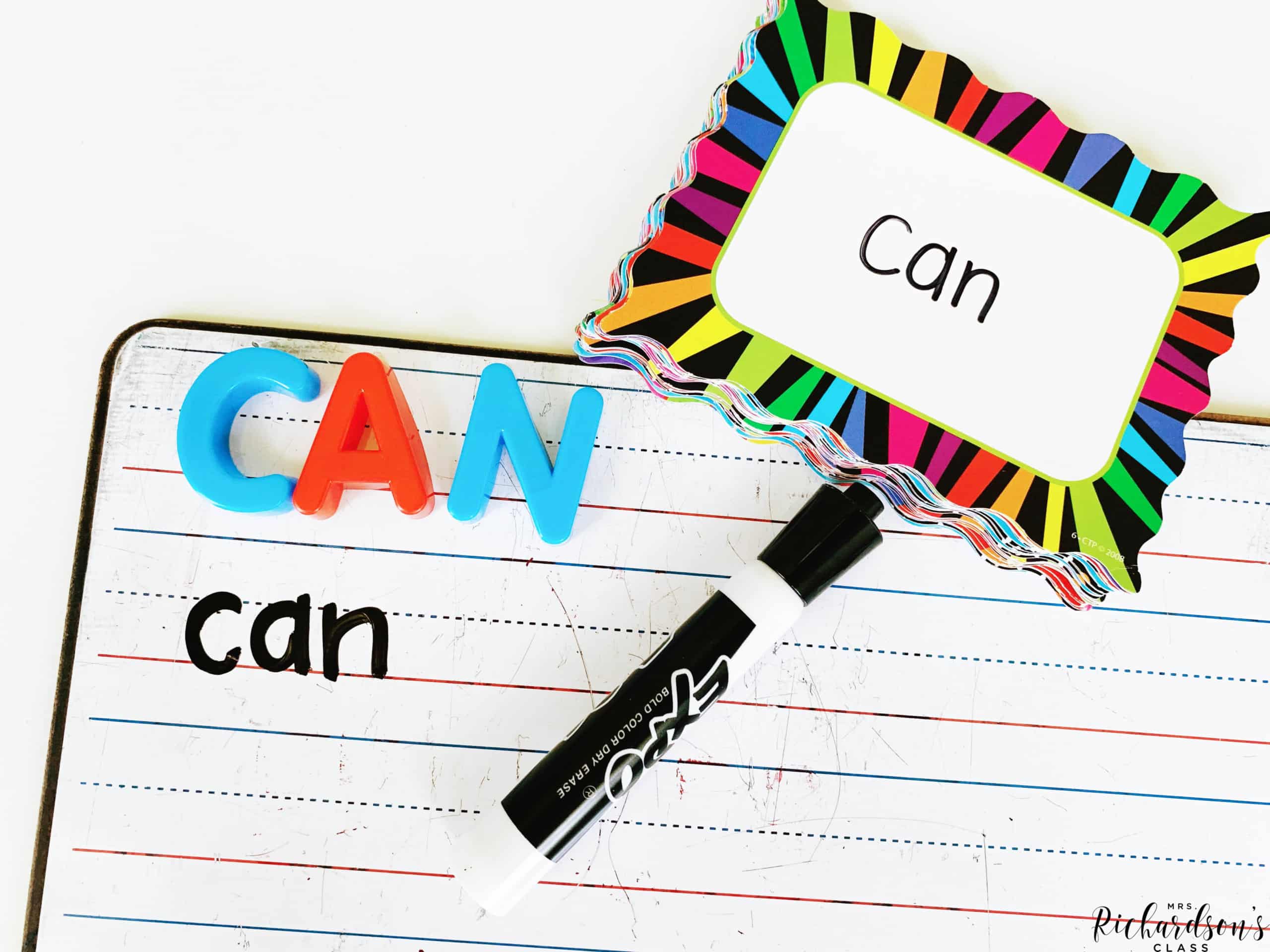
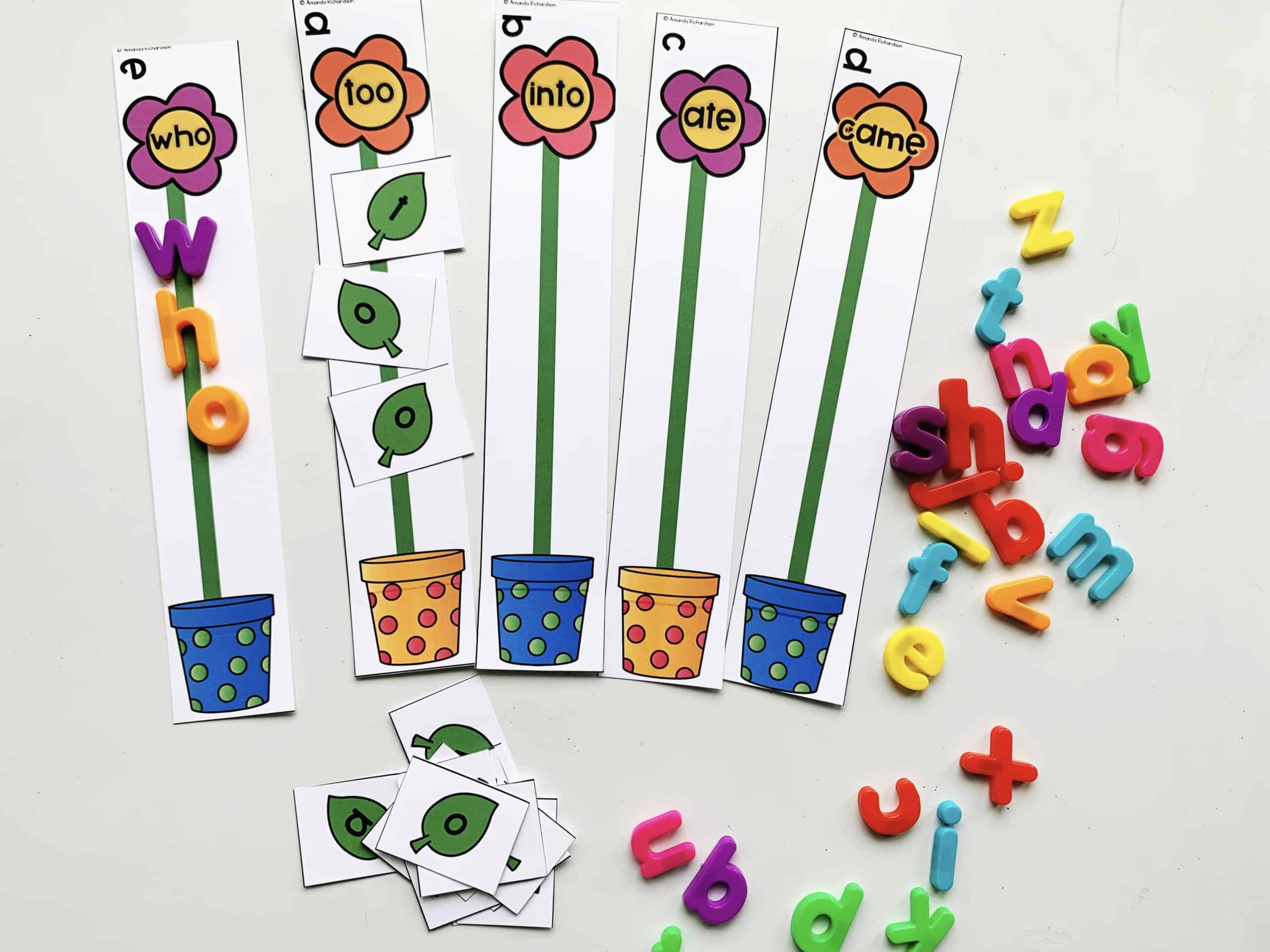
When sight word activities are aligned with how the brain learns, students progress faster and have less frustration. This is a win all the way around!
Sight words don’t have to be confusing. When we understand that:
…we can make smarter instructional choices.
And most importantly, we can choose sight word activities that actually help students become confident, fluent readers.
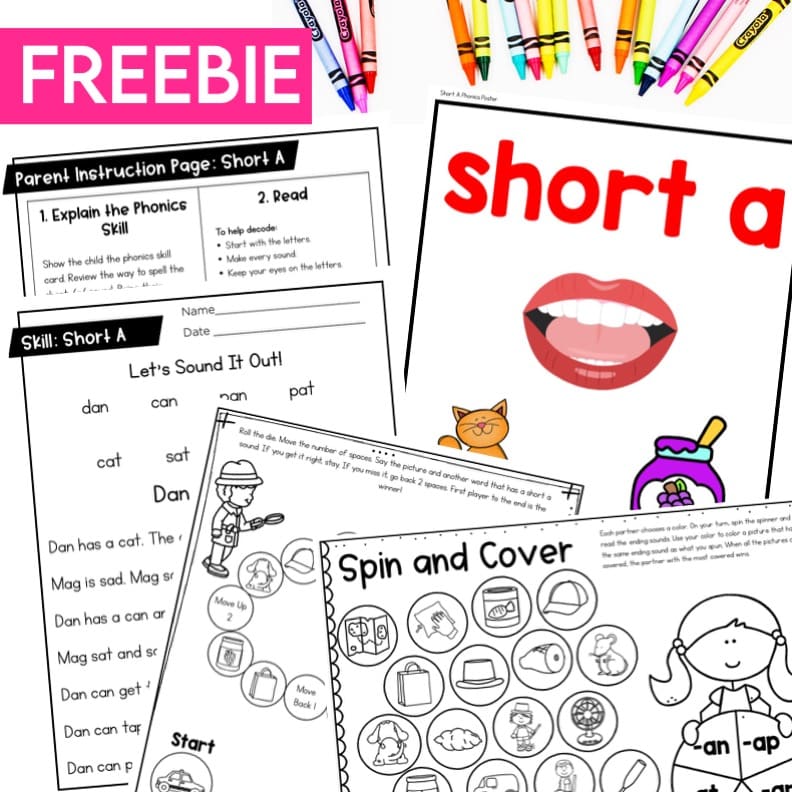
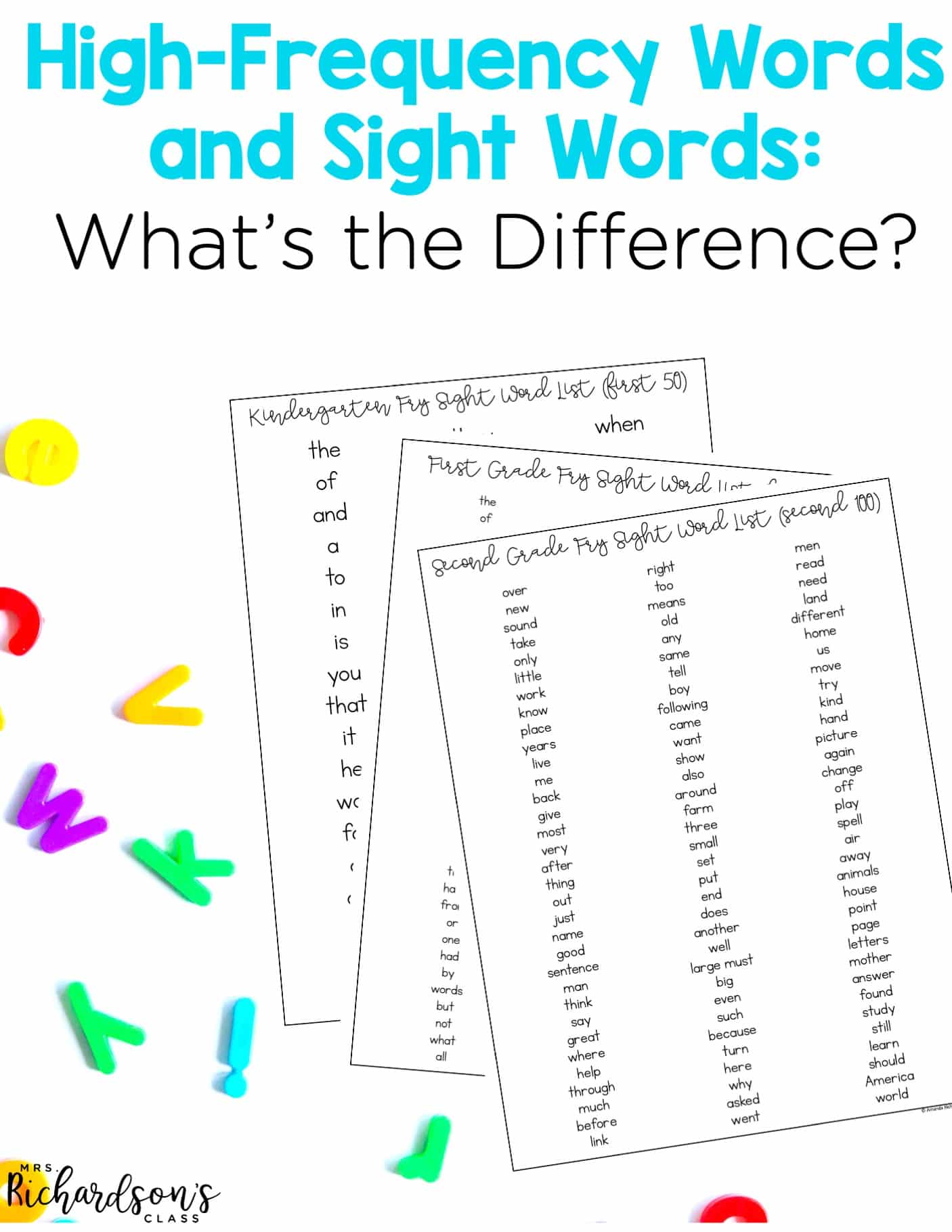
And if you want a solid starting point, you can grab my free sight word lists inside my Reading Teacher Toolkit—they’re perfect for planning and organizing your instruction.
Remember friends, the end of the day, teaching sight words shouldn’t feel overwhelming. With the right understanding and the right sight word activities, you can make it simple, effective, and meaningful for every student.