



Have you ever handed your students a nonfiction passage about bats, or volcanoes, or the life cycle of a frog, and watched their faces go blank? They decoded the words beautifully, but when you asked what the passage was about, you got shrugs.
Friend, that isn’t a decoding problem. Sometimes it’s fluency, and other times it’s a simple knowledge problem. Students sometimes struggle to understand what they read if the topic is completely new to them. Let’s use ourselves as an example for a moment. Think about yourself sitting in a college chemistry class. Without the background knowledge of high school chemistry, it may have sounded like a foreign language to you.
The good news is that you can build background knowledge before reading about new topics, and it doesn’t take hours of extra prep. In this post, I’ll share five simple strategies that work for elementary classroom. I’ll also show you how read alouds and reading passages can work together, so students walk into every text ready to understand it.
Background knowledge is everything a student already knows about a topic: the words, the ideas, and the experiences they bring to a text. It is one of the language comprehension strands in Scarborough’s Reading Rope. Decoding gets students through the words. Background knowledge helps them make sense of those words. It lends itself to the comprehension piece, which is so important as we build skilled readers.
One well-known study found that students who knew a lot about baseball understood a passage about baseball better than stronger readers who knew little about the game(Recht & Leslie, 1988). Knowledge matters. And for our youngest readers, much of that knowledge comes from listening.
Young students can understand far more than they can read on their own. Their listening comprehension is ahead of their reading comprehension. Think about reading to a toddler. Many times they can understand the book and they enjoy it, but they don’t have the ability to decode it at all. That makes a read aloud the perfect on-ramp to a new topic.
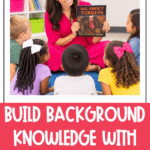
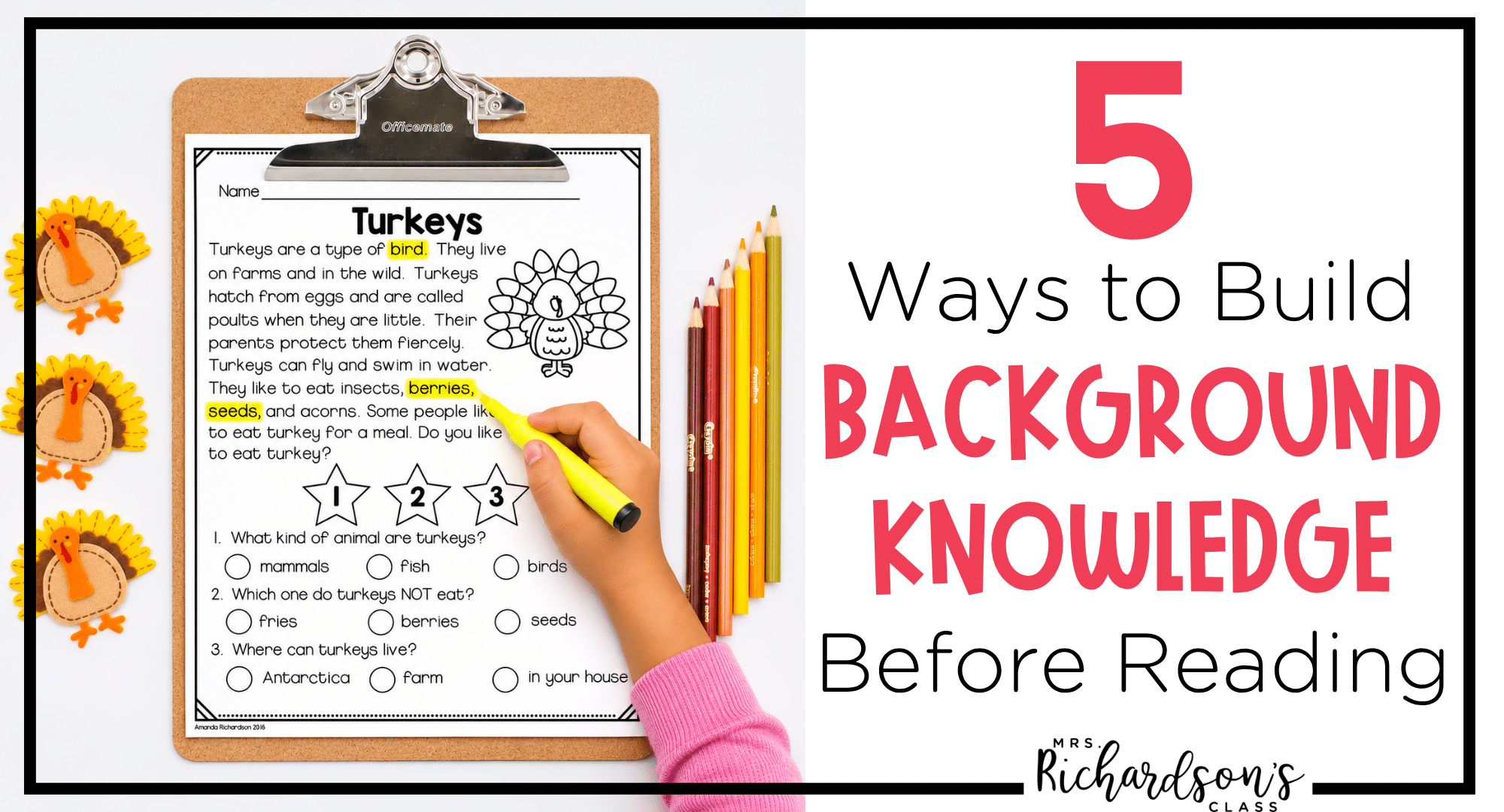
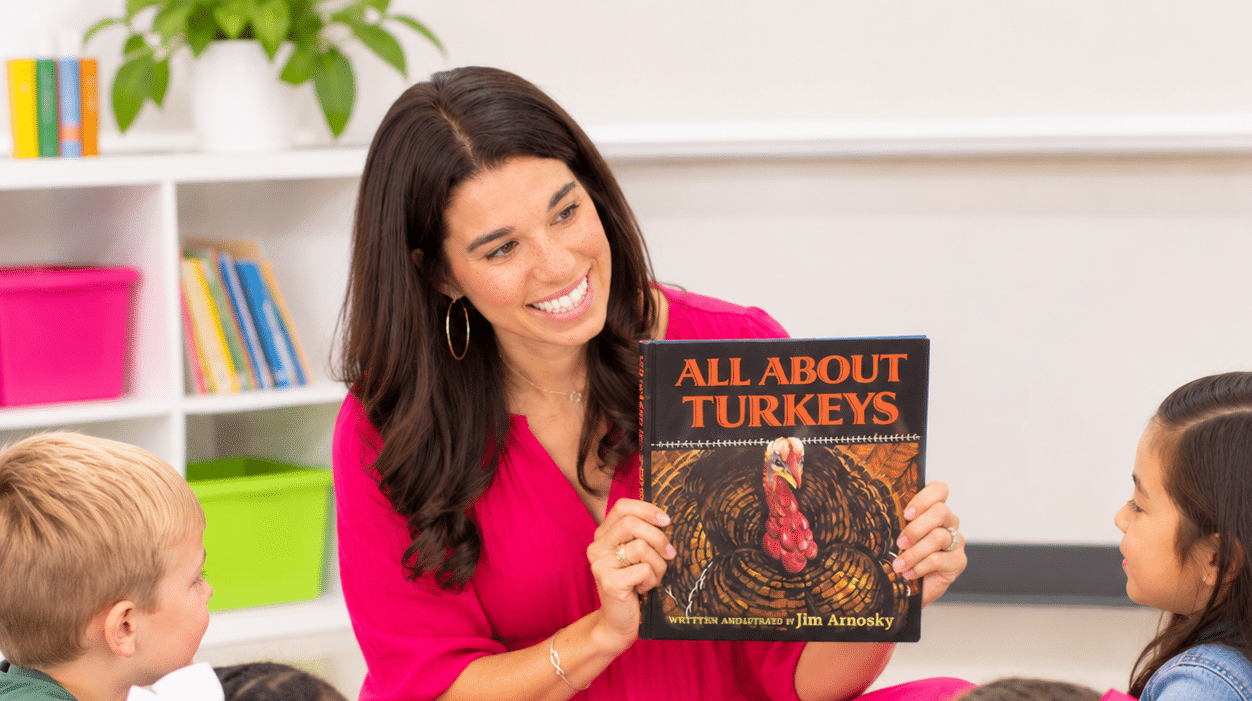
Before students read a passage about turkeys, read a nonfiction book about turkeys. Stop to talk about the pictures, the new words, and the big ideas. By the time students read on their own, the topic feels familiar. This is a powerful way to build background knowledge before reading.
As a mom and a teacher, I find myself often pulling books from my shelves to help explain concepts to my kids. My sixth grader recently said, “Mom, I’m not sure your second grade book will have the details we want.” But guess what?! IT DID! It
Many of our students have never seen a tide pool or a cocoon. A one-minute video clip or a few real photographs can do more than a long explanation.
Teacher Tip: Keep a folder of photos and short video links for each science unit in your google drive. Pull them up for a quick “look and talk” before reading. This is a simple way to help build background knowledge before reading.
Pick three to five words students must know to understand the text. Teach each one with a picture, a student-friendly definition, and a gesture or sentence. Don’t try to teach every new word. Focus on the ones that unlock meaning.
For more ideas on growing vocabulary through talk, check out these oral language activities.
Unlocking vocabulary is a simple way to build background knowledge before reading.
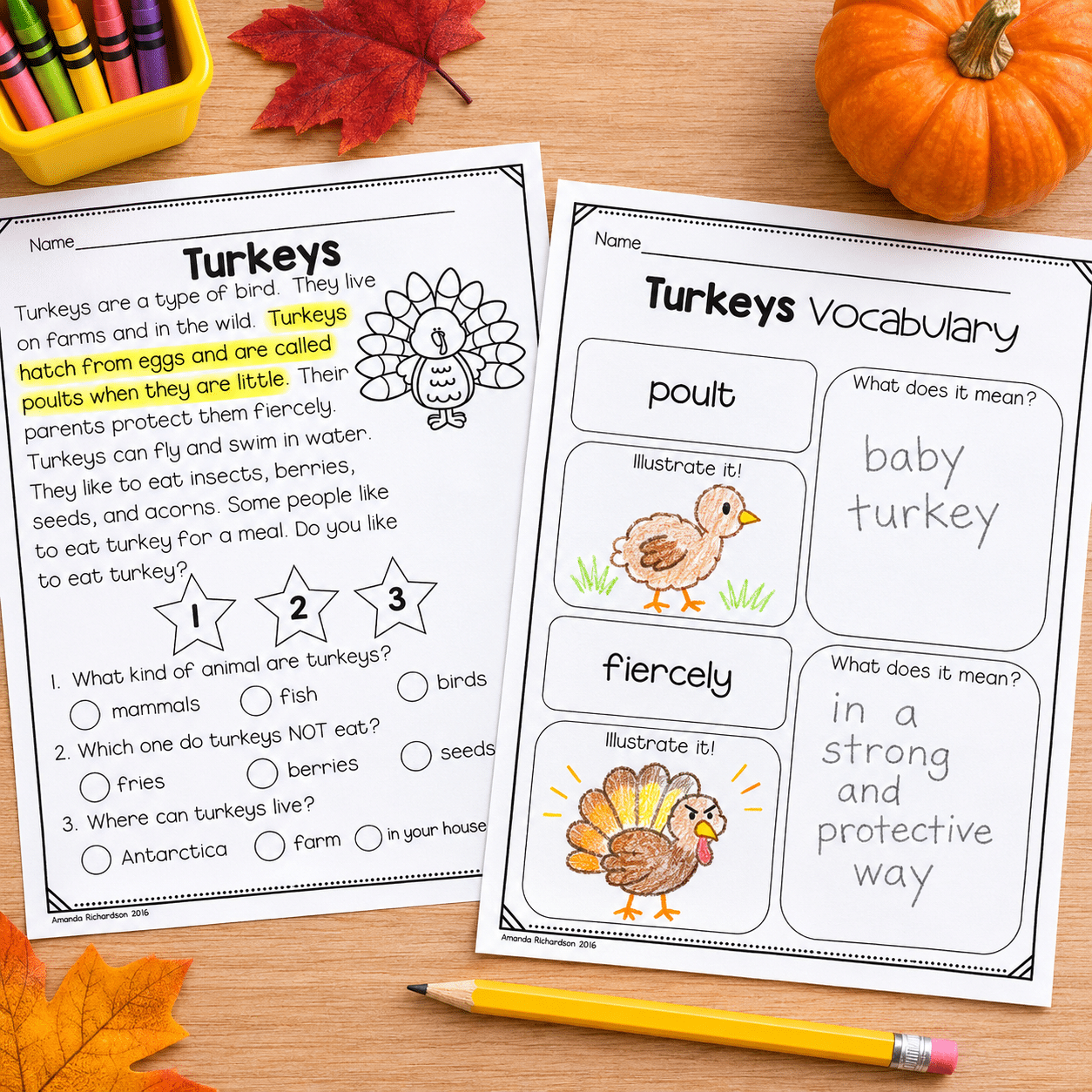
This is where the magic happens. When the read aloud and the reading passage are on the same topic, each one strengthens the other. Students hear the vocabulary in the read aloud, then see it again when they read independently.
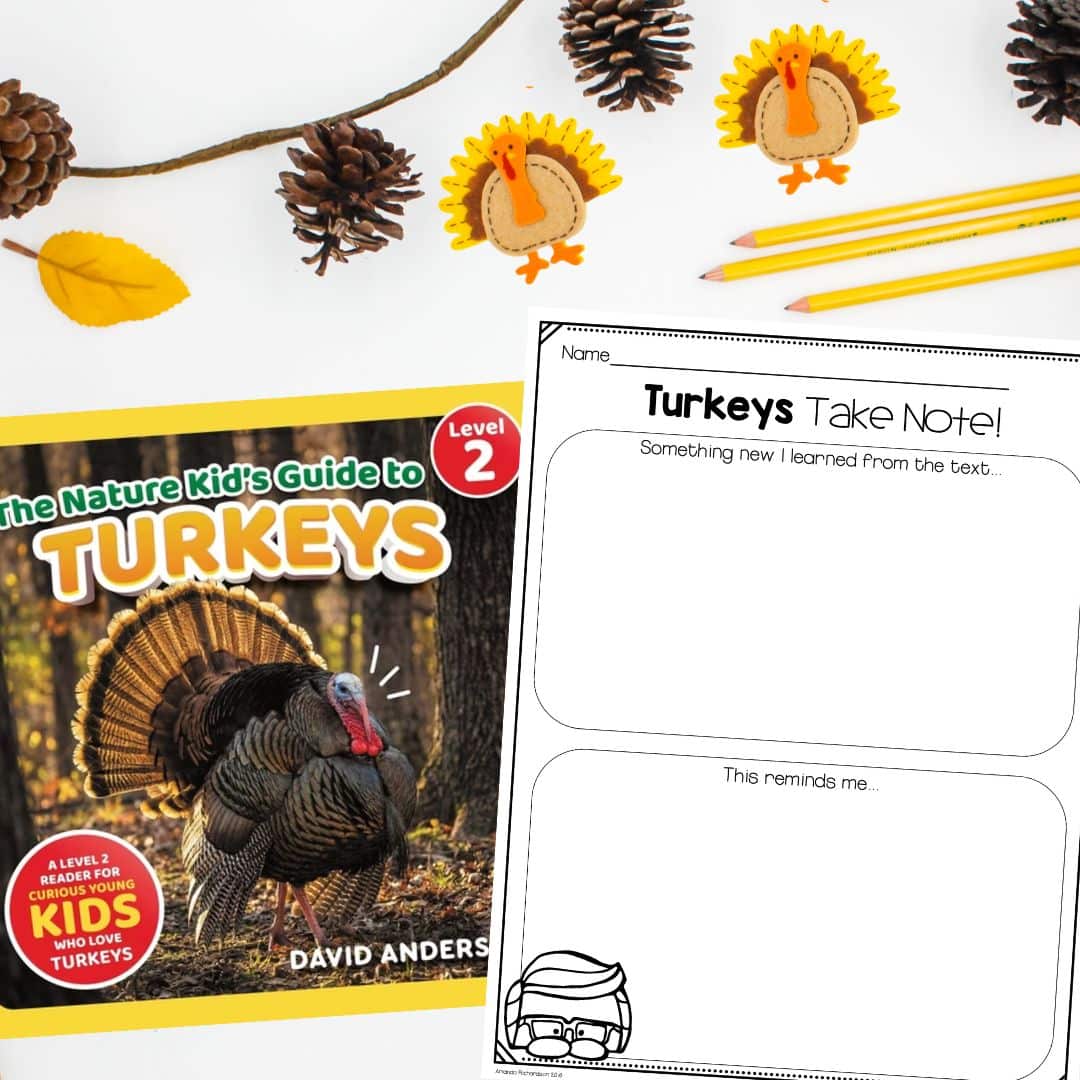
Think of it as a two-step plan:
Teacher Tip: Activating knowledge is not the same as building it. A KWL chart begins by showing what students alreadyknow. If they don’t know much, build knowledge first. This is a great way to build background knowledge before reading!
Give students a chance to say what they know out loud. A quick turn-and-talk (“What do you know about turkeys?”) or a picture walk gets ideas and vocabulary flowing. Talking helps students connect new information to what they already know as they work to build background knowledge before reading.
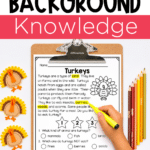
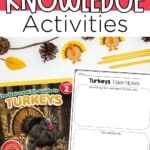
Here’s how this might look during an November Turkey unit:
You can follow this same pattern for any topic.
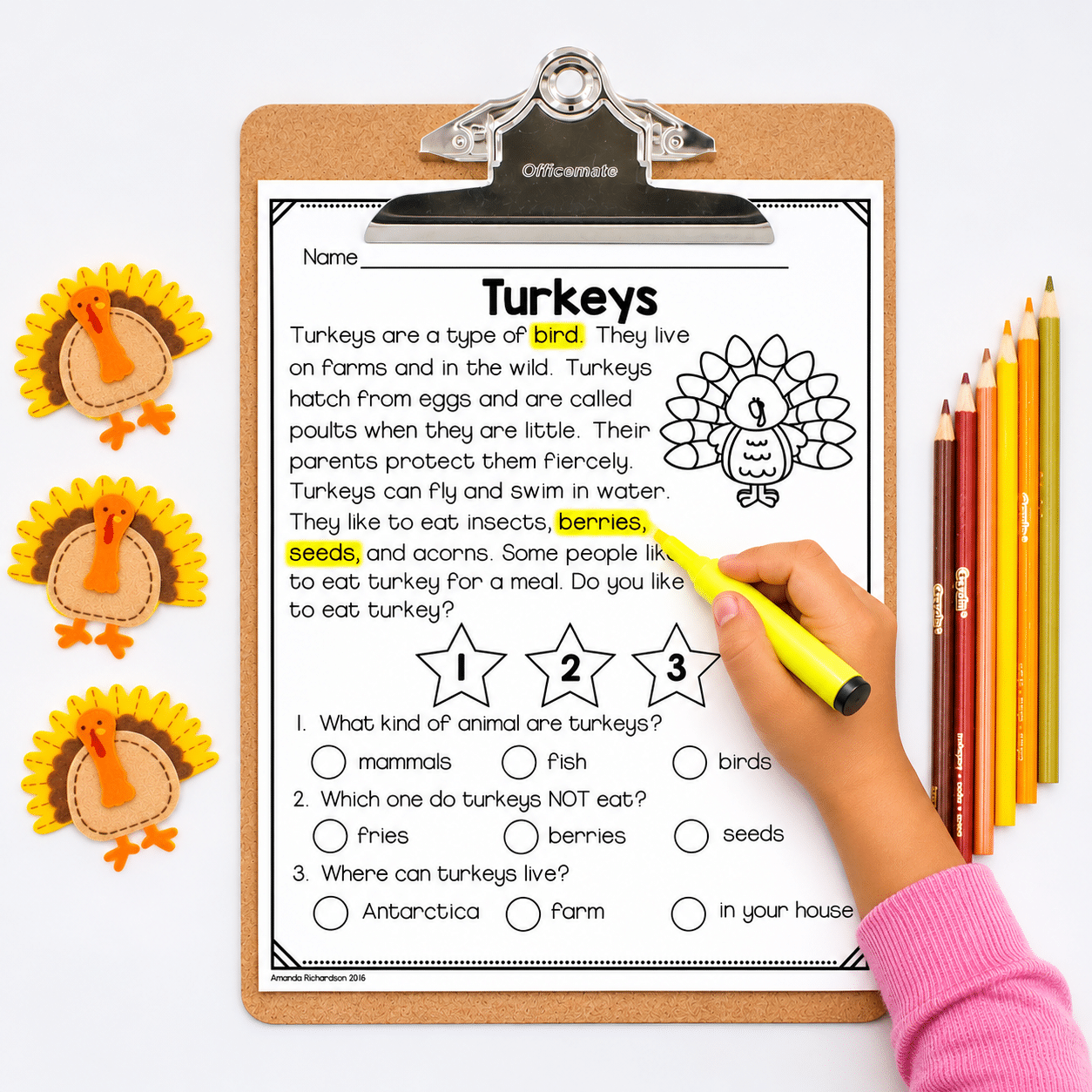
If you’d like passages that are ready to go, my reading comprehension passages give students the chance to apply what they’ve learned from a read aloud after they build background knowledge before reading.

How do you build background knowledge before reading with your students and nonfiction text? I’d love to hear your favorite strategy in the comments!