








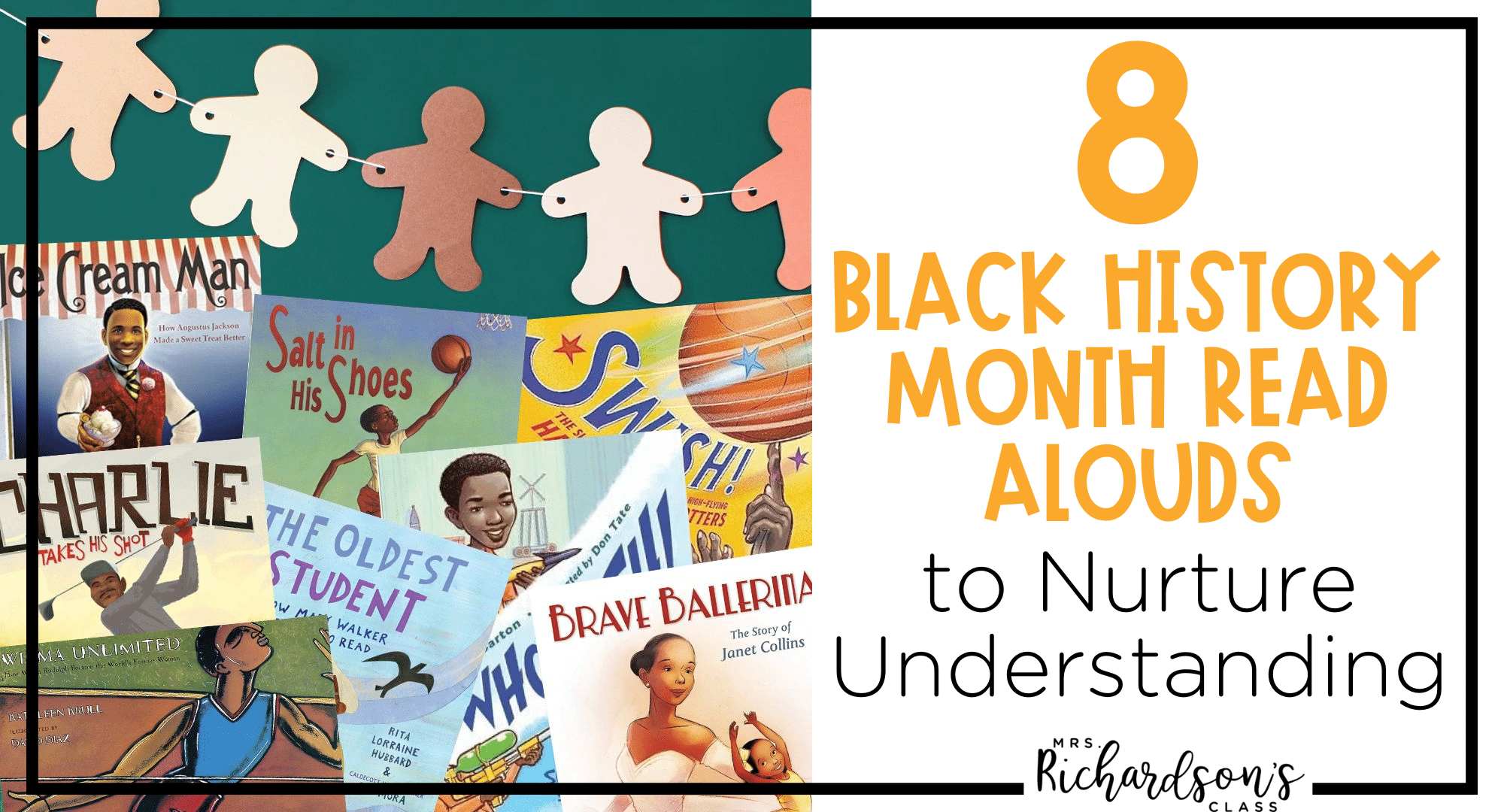
Black History Month is more than a moment on the calendar—it’s an opportunity to tell the truth, celebrate resilience, and help our youngest learners understand the world around them. The stories we choose matter.
When we use black history month read alouds intentionally, we show students that American history includes many voices, experiences, and perspectives. And yes—K–2 students are capable of engaging in meaningful conversations about history when those conversations are grounded in powerful stories and thoughtful discussion.
As teachers, we don’t avoid hard topics. We scaffold them. We guide conversations. And we trust our students to grow.
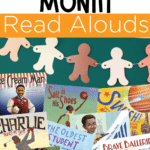
Below are my favorite black history month read alouds for K–2 classrooms, each paired with a reading strategy that supports comprehension and invites rich discussion.
Reading Strategy: Character Traits and Feelings
Wilma Rudolph’s journey from a sickly child to an Olympic champion is a powerful story of perseverance. This biography gives students a clear look at how determination and resilience shape a person’s life.
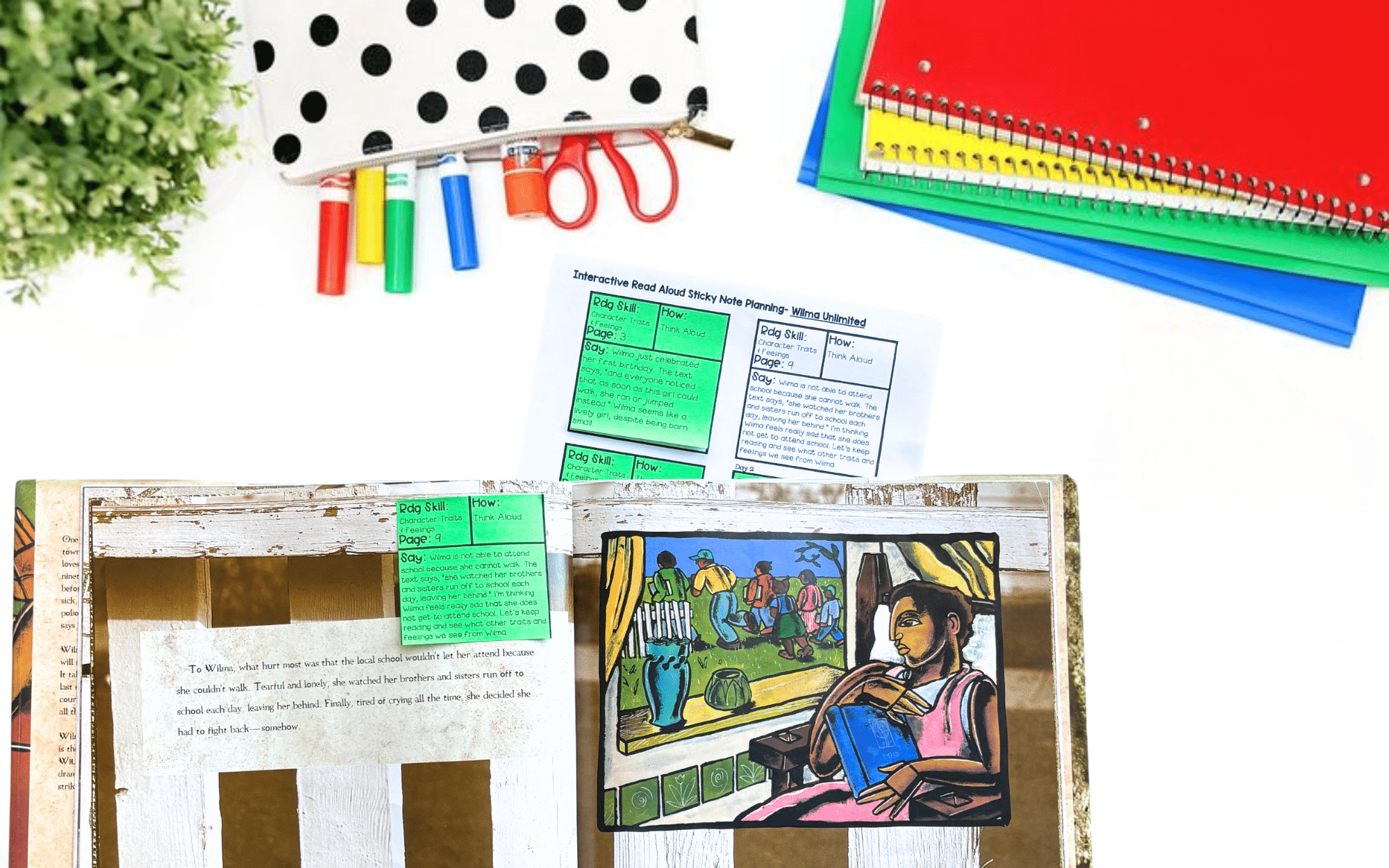
Use this book to focus on character traits and feelings in a read aloud lesson. As you read, pause to ask how Wilma is feeling at different points in her life and what her actions tell us about her character. Students learn to support their thinking with evidence from the text—an essential comprehension skill.
Reading Strategy: Questioning
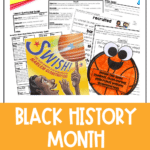
Swish! tells the story of Bill Russell’s love for basketball and teamwork. It’s fast-paced, engaging, and full of moments that spark curiosity.
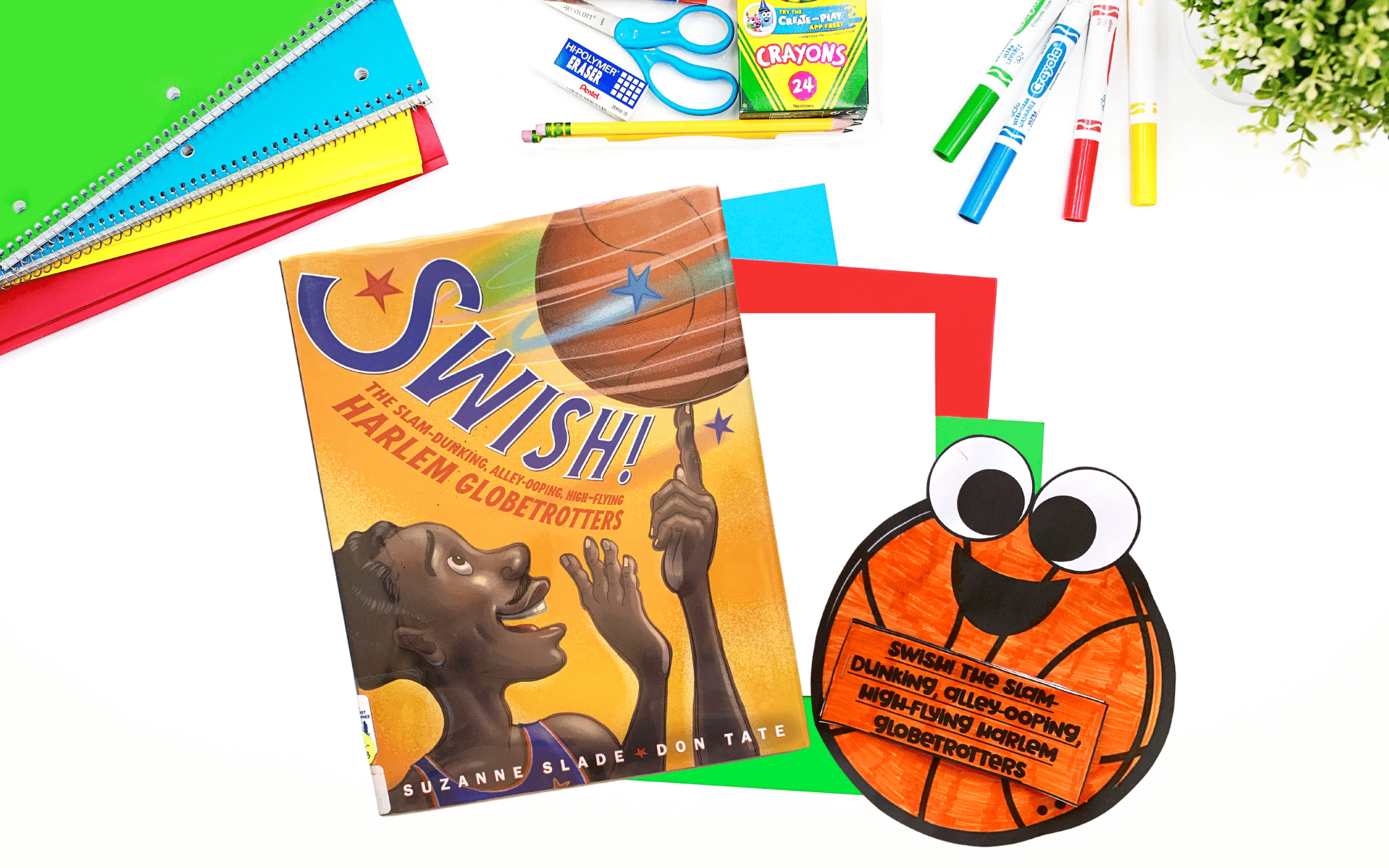
This is a fantastic choice for teaching questioning. Students naturally wonder how Bill practiced, why teamwork mattered so much, and how his early experiences led to later success. Modeling “I wonder…” statements during this read aloud helps students stay actively engaged and think beyond the text.
Reading Strategy: Making Connections
Janet Collins’ story introduces students to courage, persistence, and breaking barriers. Her journey to becoming the first Black prima ballerina at the Metropolitan Opera is told with honesty and hope.

This book works beautifully for making connections. Students can connect Janet’s experiences to their own moments of trying something new or facing challenges. These personal connections help young learners better understand historical experiences in an age-appropriate way—one of the reasons this is such a strong choice for black history month read alouds.
Reading Strategy: Theme
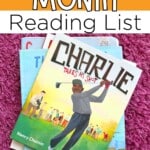
This modern story opens the door to conversations about fairness, fear, and community. Charlie’s experience is common for that period, unfortunately, while still addressing real-world issues thoughtfully.

Use this read aloud to explore theme. With careful guidance, students can identify lessons the author wants us to learn, such as courage, empathy, or standing up for what’s right. Even our littlest learners can discuss big ideas when we anchor their thinking in the text.
Reading Strategy: Identifying Genre
The story of Augustus Jackson—who helped revolutionize ice cream—is always a hit with students. It blends history with engaging storytelling and fun details. Who doesn’t love a story about ice cream?
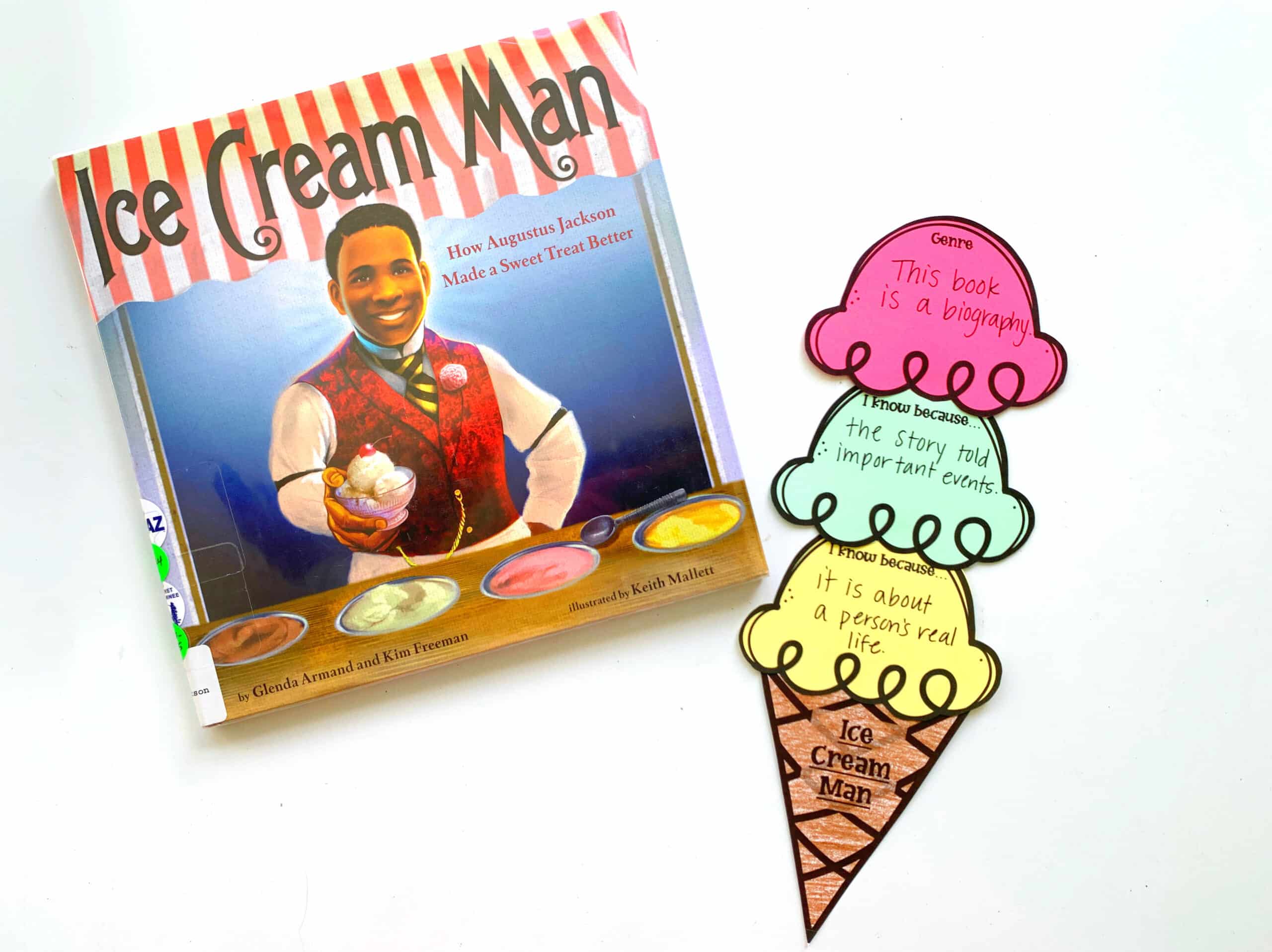
This book is perfect for a lesson on identifying genre. You can easily lead students to notice how this text includes real people, real events, and factual information, making it a strong example of biography or nonfiction. Comparing it to fictional story elements will help students solidify genre understanding as you enjoy black history month read alouds.
Reading Strategy: Questioning
This story about Michael Jordan as a child focuses on patience, practice, and believing in yourself long before success comes. While children today may not be as familiar with this sports star, usually, teachers are!
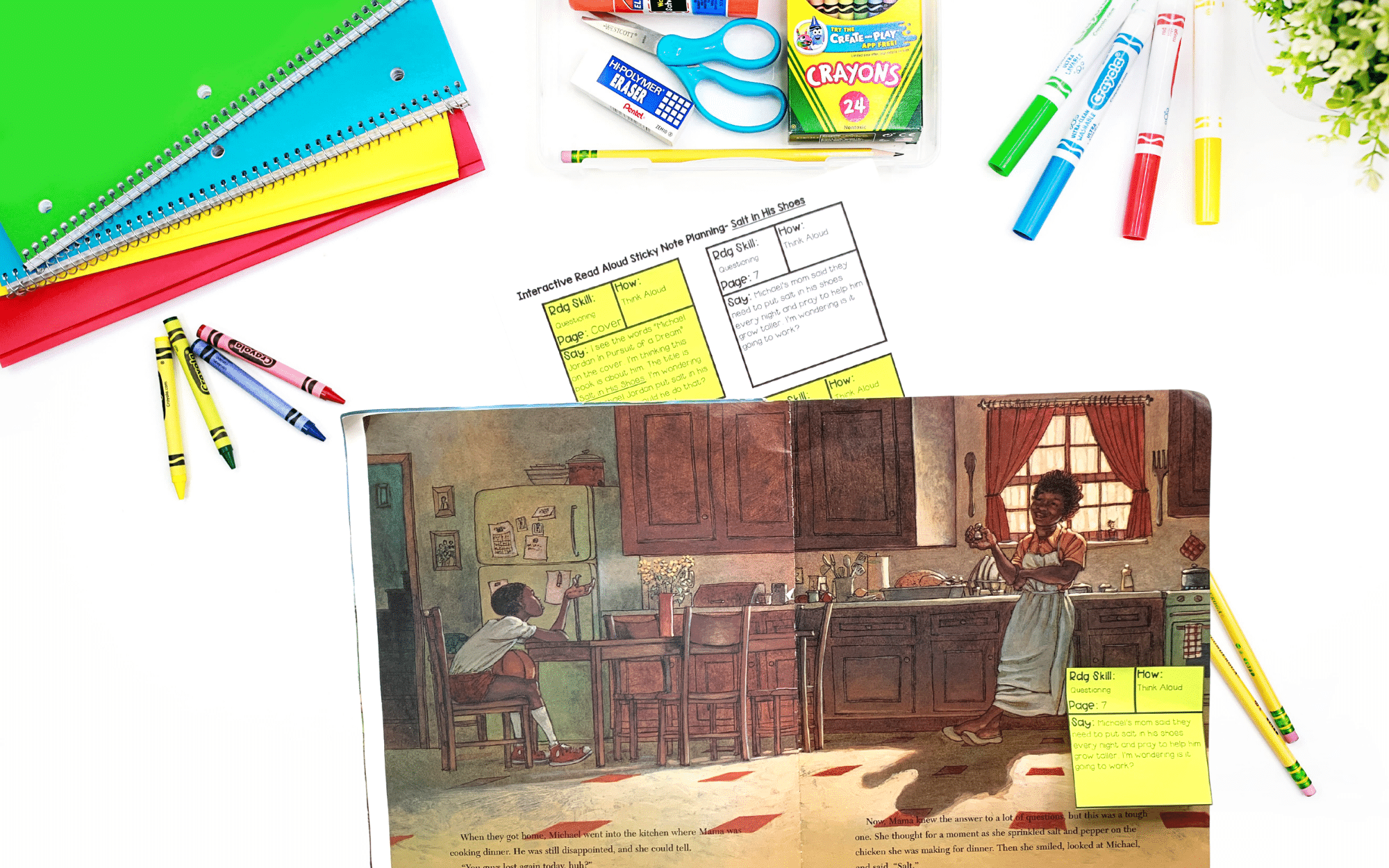
It’s another excellent text for questioning. Students ask why Michael struggled, what helped him grow, and how practice made a difference over time. These questions deepen comprehension and help students understand cause-and-effect relationships—key skills developed through intentional black history month read alouds.
Reading Strategy: Questioning
Whoosh! tells the story of Lonnie Johnson, the inventor of the Super Soaker. Students are immediately intrigued by the idea that a favorite toy came from someone who loved science and experimentation.
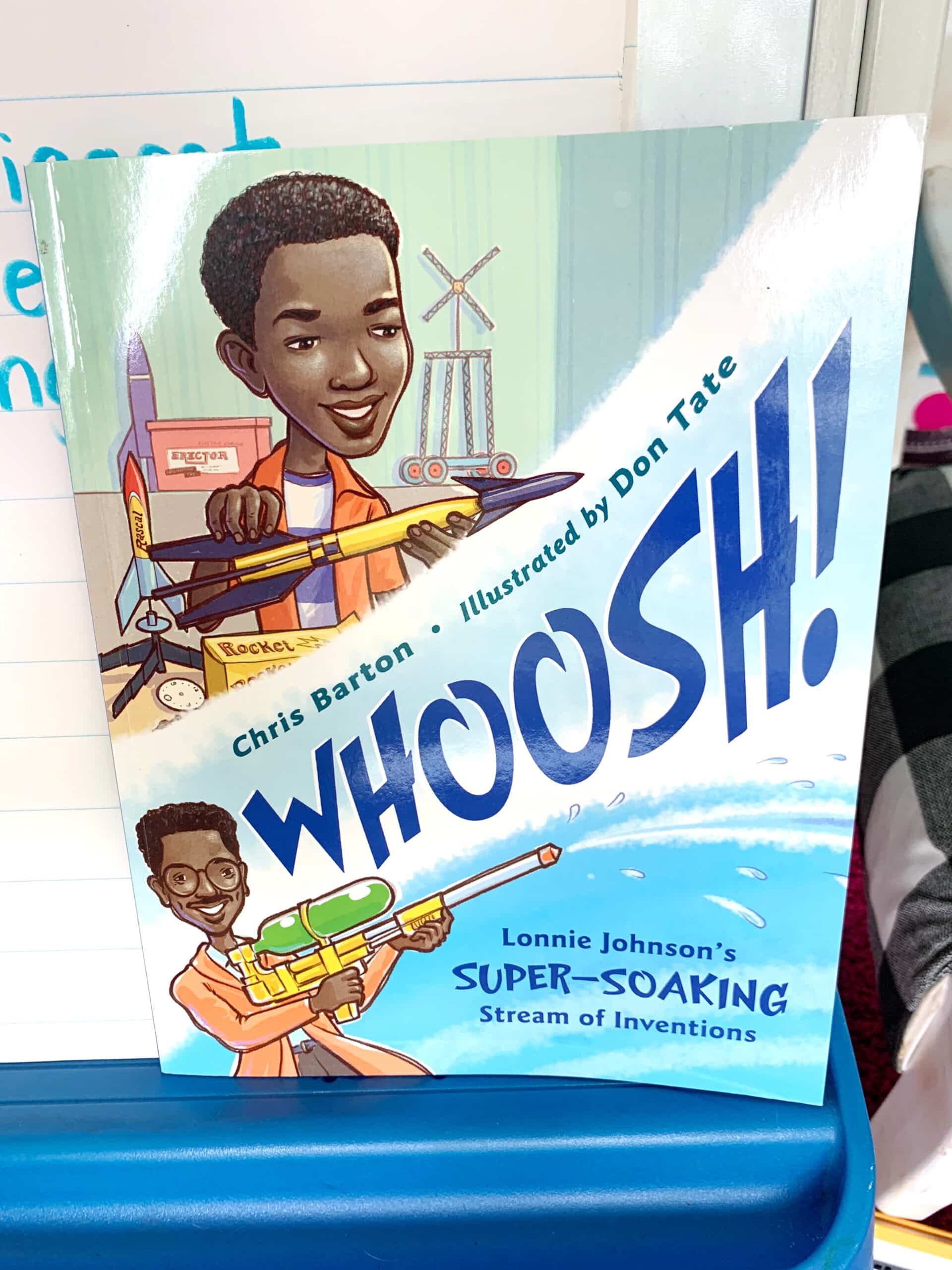
This is another powerful book great for teaching questioning. Students wonder how Lonnie came up with his ideas, why experiments sometimes fail, and how persistence leads to success. It’s a great reminder that curiosity fuels innovation—and that questioning drives learning.
Reading Strategy: Questioning
I love Mary Walker’s story of learning to read at age 116. It is deeply moving and incredibly powerful. It’s a great read aloud for back to school season, too. It highlights determination, access to education, and lifelong learning.

This book naturally supports questioning. Students often ask why Mary couldn’t attend school earlier and how learning changed her life. These questions lead to thoughtful discussions about history, opportunity, and perseverance, making this one of the most impactful black history month read alouds you can share with young learners.
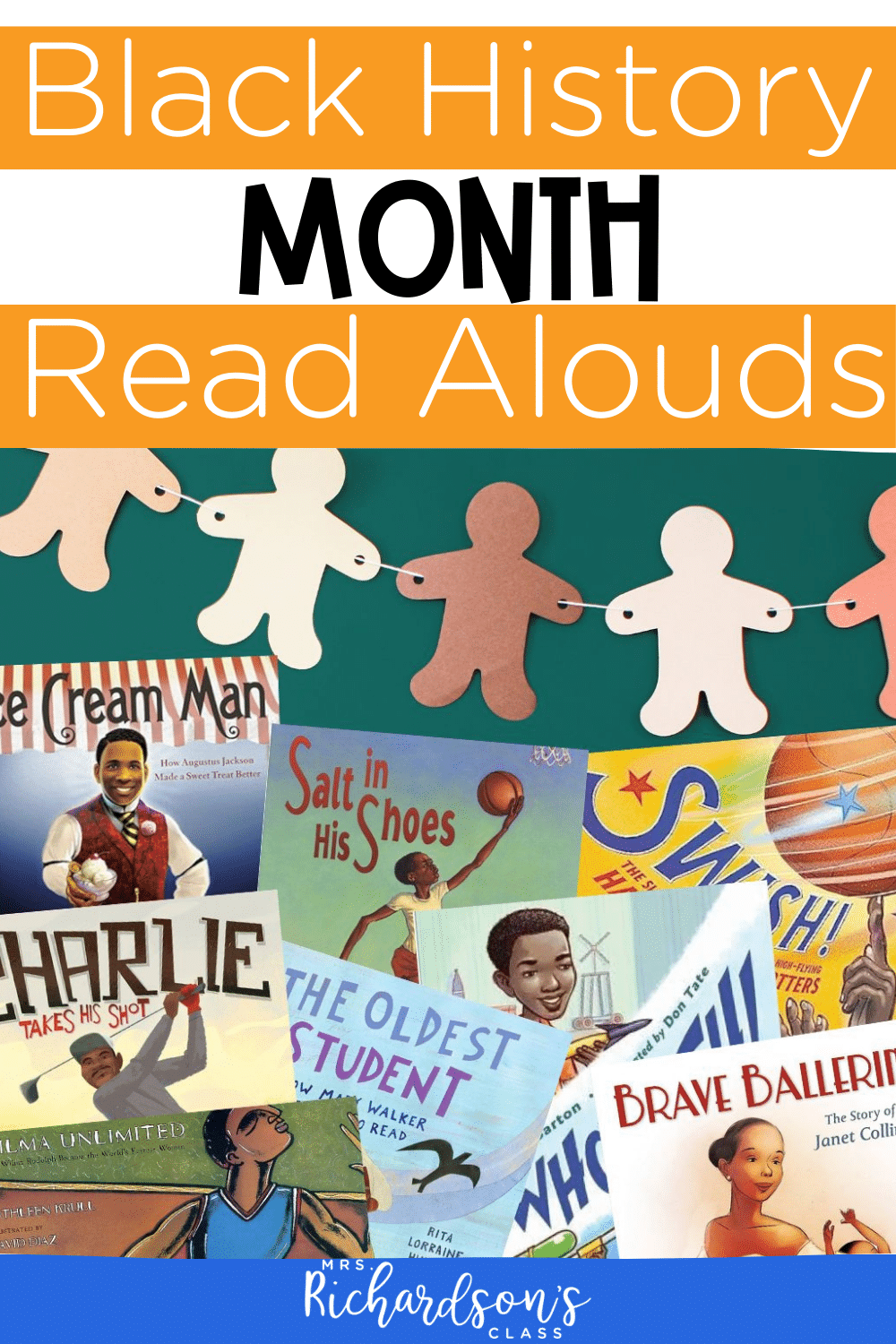
When we use black history month read alouds with intention, we do more than teach reading skills—we build empathy, understanding, and critical thinking. These stories show students that history is shaped by real people who faced challenges and made a difference.
If you’re looking for done-for-you read aloud lessons that model comprehension strategies, guide meaningful discussions, and help students move from decoding to deep understanding, I’d love to invite you to join my The Read Aloud Library. Inside, you’ll find engaging lessons designed specifically for K–2 learners—so you can teach with confidence and purpose during Black History Month and all year long.