




I search my students’ faces until I see it – that lightbulb moment when they’ve grasped another reading comprehension strategy. That moment when sweet “Jane” understood why making connections to our books help her grow as a reader. Simple making connections activities and strong read alouds helped her blossom as a reader. These are the small moments I love witnessing in the classroom!
Why is something this so seemingly small important? Because it will help these young readers grow into strong adult readers. Maybe even adults who love to read.
But teaching things like making connections in reading sometimes gets wrapped up in long, complicated processes and lesson plans. Let’s simplify it all to dig into how to teach making connections and why our students need to be able to do it.

Amazon affiliate links are used below at no cost to you. This is a small way you can help support this blog.
When students are listening to or reading a book, we want them to comprehend what they read. If the ultimate goals of reading are to learn and to enjoy, then we must comprehend while we read. One strategy to build comprehension is to make connections to a text. There are three types of connections:
Making connections helps our young readers stay engaged while reading and think about their reading. Strong books and activities to support making connections will help solidify it for our readers. It’s one of many strategies readers use to understand the text and focus on the author’s message.
“Readers use strategies to help them understand what they read. One good strategy you can use is to make connections from the book to your own life.” We want our young readers to know and understand the importance of understanding a book.
Read the text aloud and model your thinking out loud. Talk about each connection you make with a text- shallow and deep connections. I like to flip through a book and leave sticky notes with my connections jotted down so I don’t forget one.
Have students think-pair-share during a read aloud to practice making connections, write and share connections, and complete interactive writing pieces together. Encourage them to move from “I also have a purple shirt.” to deeper connections about the character’s feelings, events in the book, and comparing/contrasting ideas from the book.
Ask students to share their connections with each other and you. I like to do a combination of sharing out loud and writing them down.
When sharing, either way, try to have students start with what happened in the book. “When __ did __ in the book, it reminded me of __.” Build the bridge between the event in the book and their own life (or book or the world), not just sharing a story about themselves. Ask them, “What does this connection help you understand?”
These wonderful books provide many opportunities for young readers to make connections while reading. They also easily lend themselves to making connections activities (more on that later). They are also quick and easy books to read that you probably already have in your classroom or school library.
This book stars a young mouse named Owen who loves his yellow blanket and takes it everywhere. When it’s time for school to start, Owen’s parents want him to let it go.
It’s a great book to introduce or reinforce making connections because there are many relatable events and characters. With this book, you could guide students’ thinking by asking questions like:
You can get a copy of the book on Amazon HERE. While I always recommend reading from a physical book, you can find Kevin Henkes reading his book HERE. Videos of read alouds are great options for a reread!
This book is about a mouse named Lilly who gets her favorite new toy taken away by her beloved teacher for playing with it during the day. In anger, she does something hurtful. She later feels bad and finds a way to apologize and make up with her teacher.
This book is jam-packed with opportunities for students to make connections. Some questions to ask students to get them to start thinking can include:

You can grab your own copy of the book on Amazon HERE.
Kids always love this series! In this book, David goes to the first day of school and has some trouble following the rules. I love using the book at the beginning of the year to introduce classroom expectations or to review them mid-year. Get your students to make connections by guiding them with some questions like:

You can purchase the book HERE and watch a read aloud video of it HERE.
Another popular children’s book about a boy named David who makes lots of excuses for his bad behavior. In the end, he does admit that it was his fault and apologizes. What a great segway to helping also teach students about taking ownership of their actions and apologizing when necessary! Dive into building connections with the text with some guiding questions:
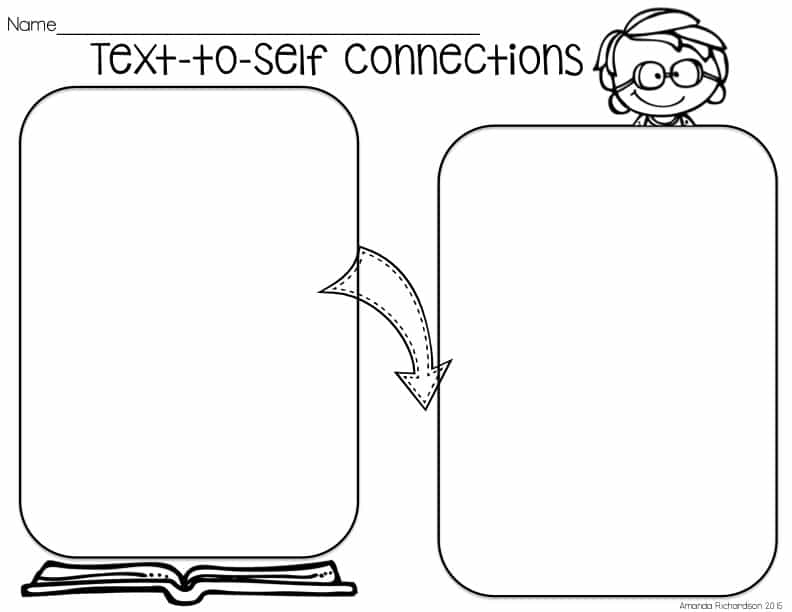

Let’s make diving into teaching making connections with high-quality books and detailed lesson plans already made for you! The Let’s Make Connections Interactive Read Aloud unit has everything you need to help your students master this reading strategy.

This unit includes:
Watch for the moments when your students “get it”. They’re some of my favorite ones! Once they do understand the concept, get ready to take them deeper into their thinking.

They might be young, but they can do it. Remember, making connections is an important part of reading comprehension.











11 Responses
This information has really helped me and my learners because I have been able to explain and model the lesson to their understanding. Thank you.
I see the importance of applying this to second grade to further develop their understanding of text.
I love the idea of using read-alouds to help kids make connections! It’s such a relatable and engaging way to deepen their understanding of the text. I can’t wait to try out the activities you suggested—especially the ones that encourage personal connections. Thank you for sharing these valuable strategies!
This post is such a valuable resource! I love the idea of using read-alouds to help kids make connections. The suggested activities are practical and engaging, making it easy to incorporate into my classroom. Can’t wait to try these strategies and see how my students respond! Thank you for sharing!
Choosing a good restaurant meal is easier when menu details and prices are available online. Customers often want to explore different food options before deciding what to order. From juicy burgers and crispy chicken to tasty sides and frozen custard, having access to a complete menu can make the experience more convenient. Freddy Menu is a helpful resource for exploring freddy’s frozen custard & steakburgers items, checking prices, and finding calorie information. I also appreciate websites that organize information clearly so visitors can quickly find what they need. A well-organized menu guide saves time and helps customers make informed dining choices.
Great article! You have explained the topic in a simple and helpful way. I appreciate the useful information and practical tips shared here. Finding reliable information about streaming apps and Android technology can sometimes be challenging. Websites like DixMax APK can also be useful for readers looking for app-related guides and information. Thanks for sharing this informative content. I look forward to reading more articles like this in the future.
For anyone who enjoys freshly prepared sandwiches, Jersey Mike’s has plenty of interesting options to explore. From traditional deli-style subs to specialty sandwiches, there is something for different preferences. I appreciate websites that provide clear menu information because it helps customers understand their choices before ordering. Thechivas jersey is worth checking for details about sandwich prices, calories, and popular menu selections. This kind of information is especially useful for people who want to compare different items or plan their meals in advance. A helpful menu guide makes the overall dining experience easier.
The appetizer selection is one of the most interesting parts of the Chuy’s restaurant menu. I love exploring options like queso, guacamole, quesadillas, and other Tex-Mex favorites. This website makes it easier to compare Chuy’s appetizer prices and understand the different choices available. The additional calorie information is a nice touch because it gives readers more details before ordering. I would definitely recommend this guide to anyone who enjoys Mexican-inspired appetizers and wants to explore the latest Chuy’s menu prices.
Breakfast menus can be confusing when you are trying to compare different biscuit options, combos, and sides. I usually prefer checking the available choices before deciding what to order. Having menu details in one place makes that process much easier. This guide is useful for anyone who wants to explore Bojangles breakfast options and compare items before visiting a restaurant.
Finding accurate menu information before visiting a restaurant can make dining decisions much easier. Golden Corral offers a broad selection of comfort foods, including savory meats, vegetables, salads, and desserts. I appreciate websites that organize menu items, prices, and calorie information in a simple and understandable format. This makes it easier for customers to compare different dishes and choose meals according to their preferences. Anyone planning a visit can benefit from reviewing the Golden Corral menu in advance. A helpful menu guide saves time and makes it easier to discover popular dishes while preparing for a satisfying dining experience.
Making connections is such a helpful way to build vocabulary, and word games can do the same thing for students too. Playing Wordle together is a fun way to practice spotting patterns and making text-to-self connections with words we already know. If we get stuck, this free 5 letter word solver can help spark ideas without giving the answer away completely.