




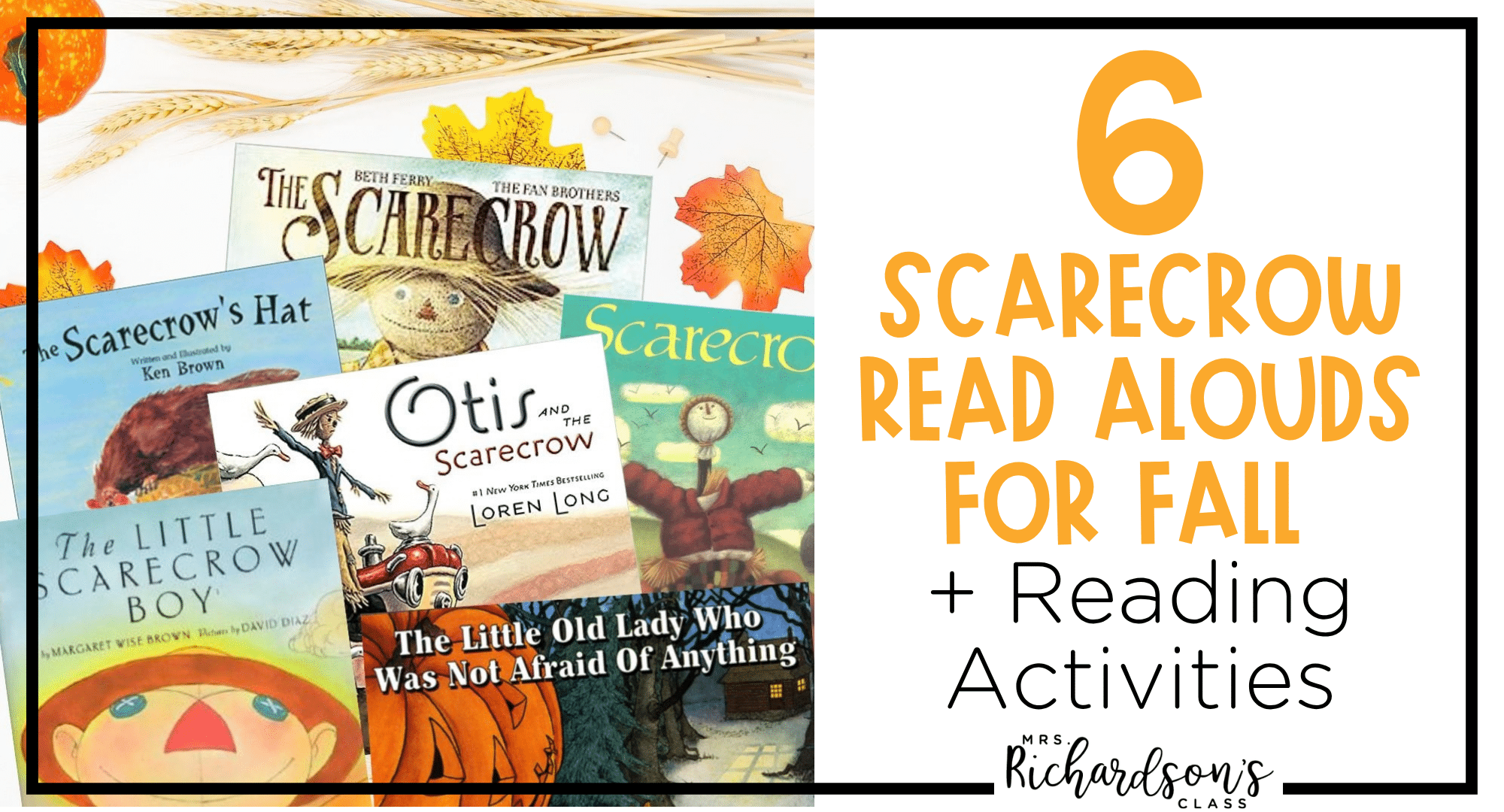
There is just something about pulling out a stack of fall picture books that makes the classroom feel a little more magical! And if you’re looking for a seasonal theme that isn’t all pumpkins and Halloween, scarecrow read alouds are a great way to bring a little fall fun into your reading lessons.
Even better? Scarecrow books can do so much more than simply add a seasonal theme to your classroom.
The right picture books give us opportunities to build vocabulary, model comprehension strategies, have meaningful conversations, and let students practice important reading skills all while enjoying a REAL book together.
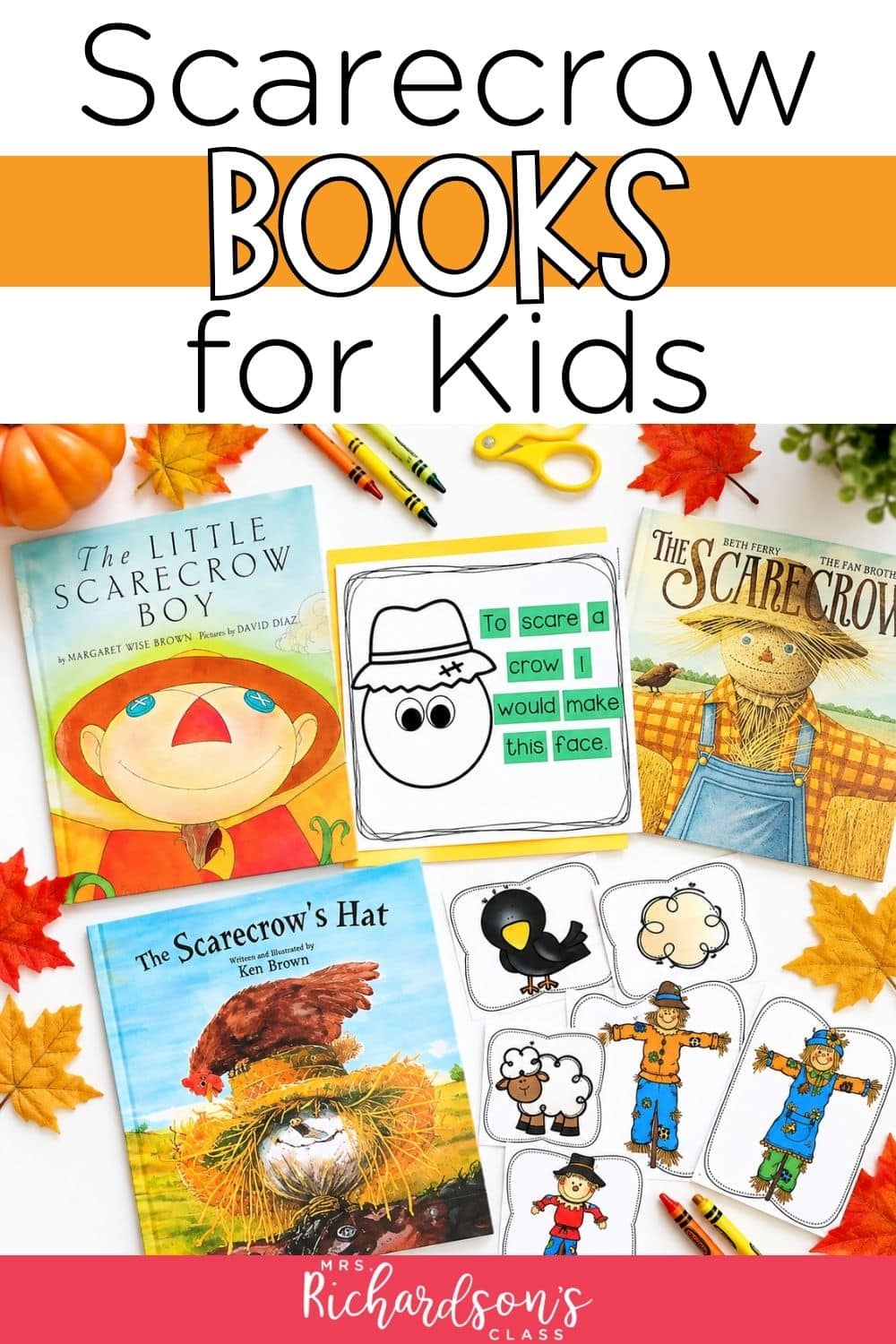
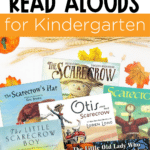
Here are six of my favorite scarecrow read alouds for kindergarten, first grade, and second grade, along with reading skills you can teach with each one.
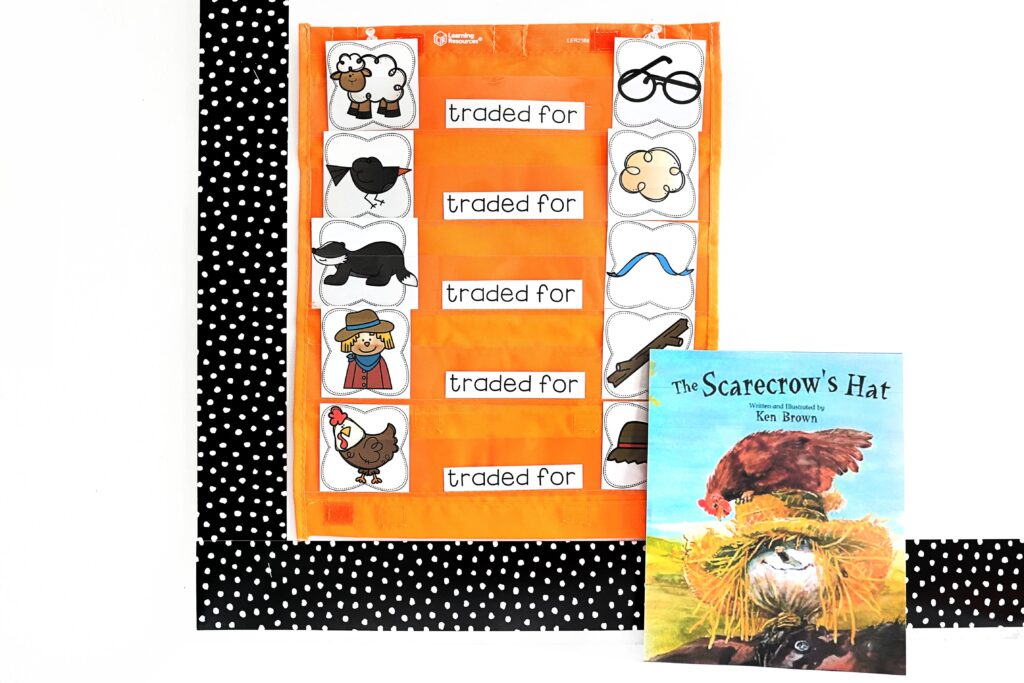
The Scarecrow’s Hat is such a fun book for teaching story elements!
Chicken wants Scarecrow’s hat, but Scarecrow would rather have a walking stick. This begins a chain of trades among the animals that eventually leads Chicken right back to Scarecrow with exactly what he wants.
As you read, students can identify the characters and setting and discuss the important events throughout the story. Because there are several characters and exchanges to keep track of, students really have to pay attention to how the events fit together.
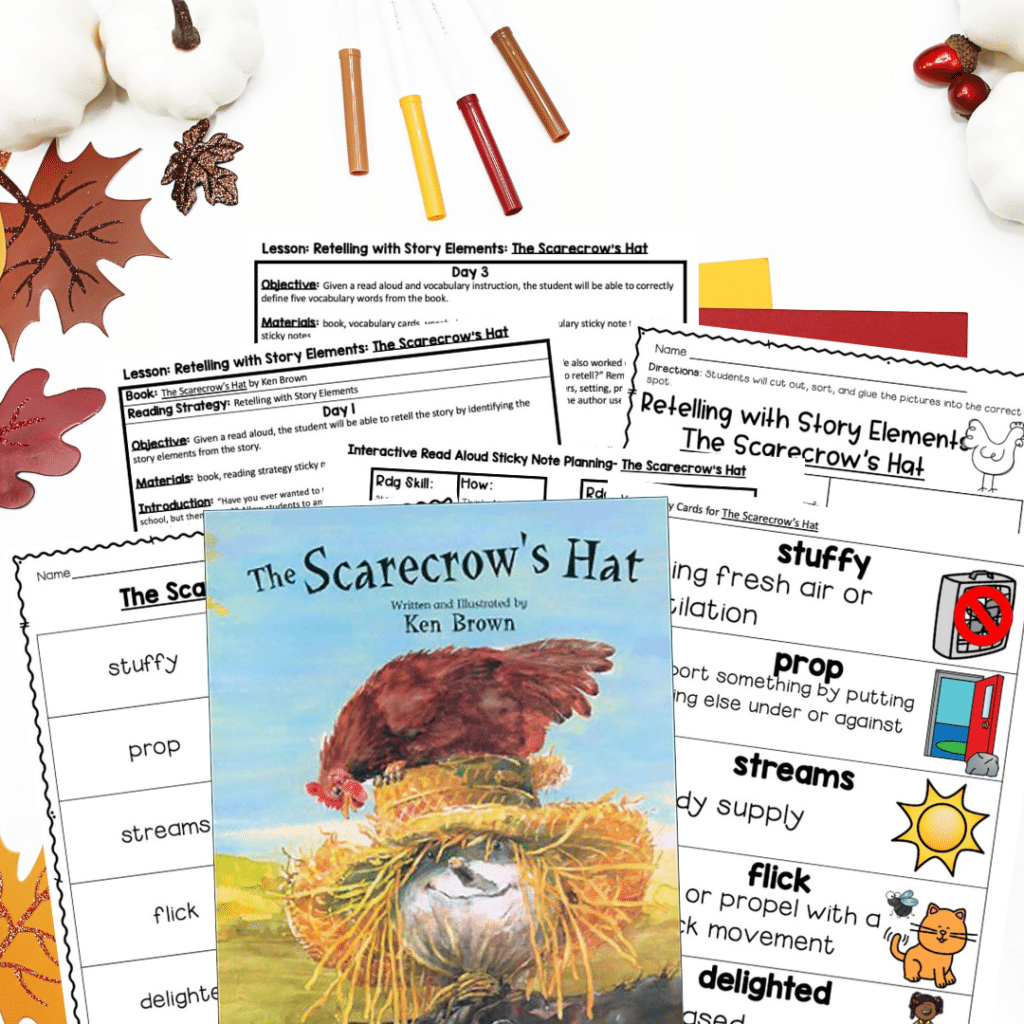
This is also a great book for introducing vocabulary in context. After reading, students can use a story-elements activity to revisit the text and organize their thinking about the characters, setting, problem, and important events. This is a must-read for your pile of scarecrow read alouds.
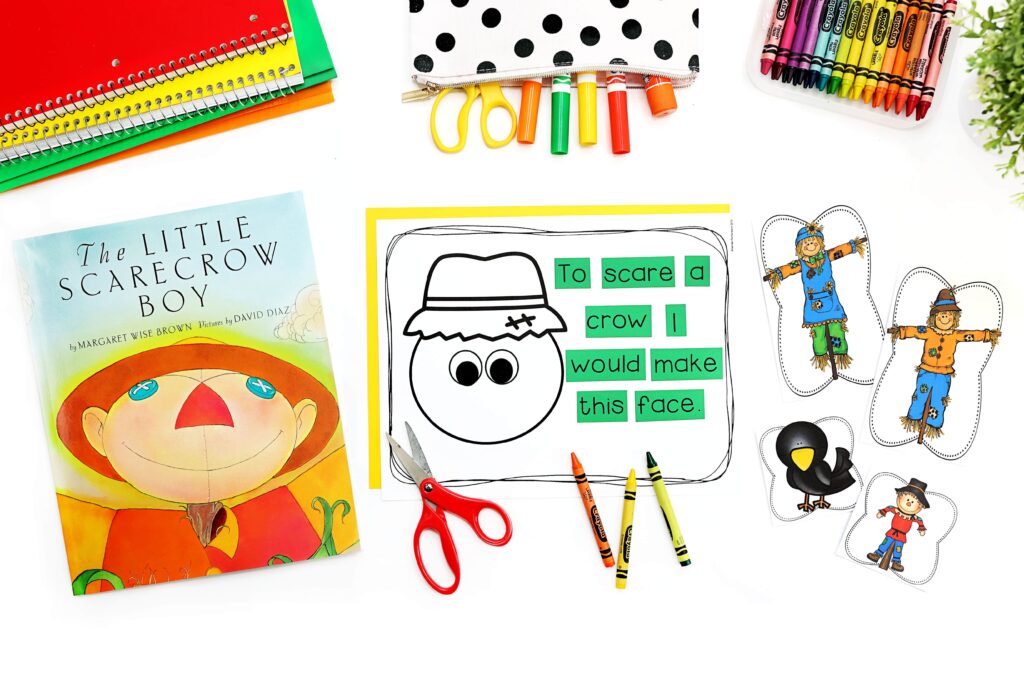
If your students need practice with retelling, add The Little Scarecrow Boy to your stack of scarecrow read alouds.
The little scarecrow boy wants to follow in his father’s footsteps and become a fierce scarecrow. His father teaches him six fierce faces, and eventually the little scarecrow boy gets the chance to put what he has learned to the test.
The clear sequence of events makes this book a natural fit for retelling practice. Students can think about what happened at the beginning, middle, and end and use pictures or retelling pieces to help them put the major events in order.
I especially love giving young readers something they can physically manipulate as they retell. It keeps them engaged while also giving them a visual reminder of the important parts of the story.
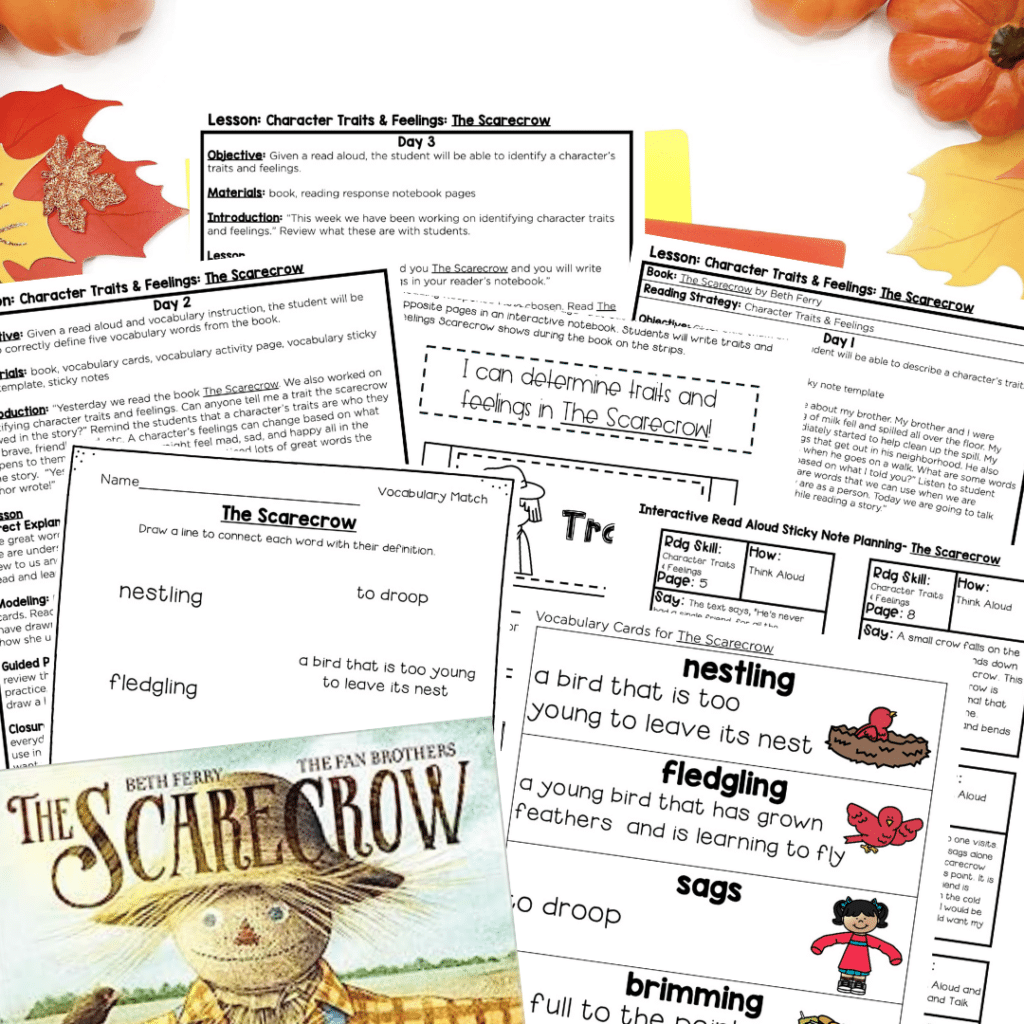
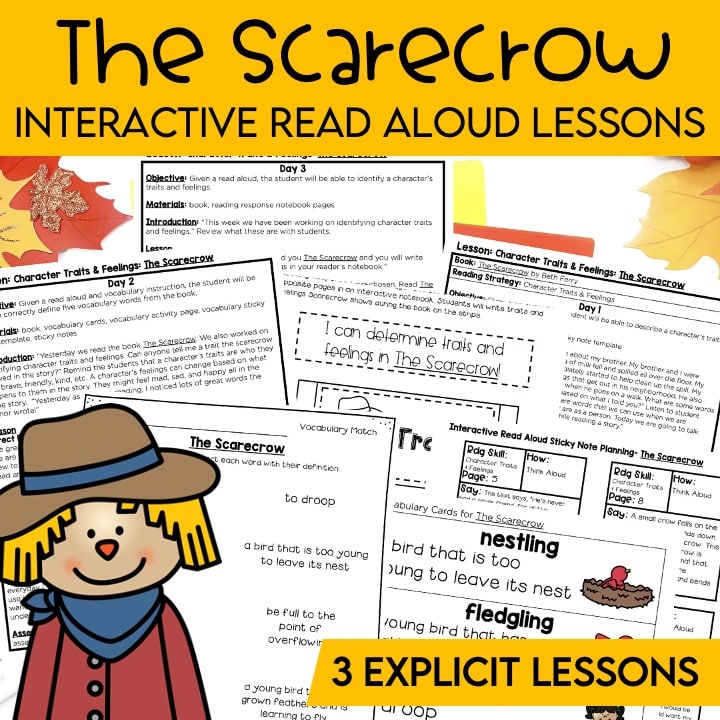
The Scarecrow by Beth Ferry is a beautiful choice for digging deeper into character traits.
At first, Scarecrow seems lonely, stern, and unapproachable. But when a baby crow falls from the sky, we see another side of him emerge.
Instead of simply naming a character trait, encourage students to think about the evidence that supports their ideas. What does Scarecrow do? How does he treat the little crow? What do his actions tell us about the kind of character he really is?
The story also provides opportunities to discuss friendship, kindness, compassion, and how our understanding of a character can change as a story unfolds.
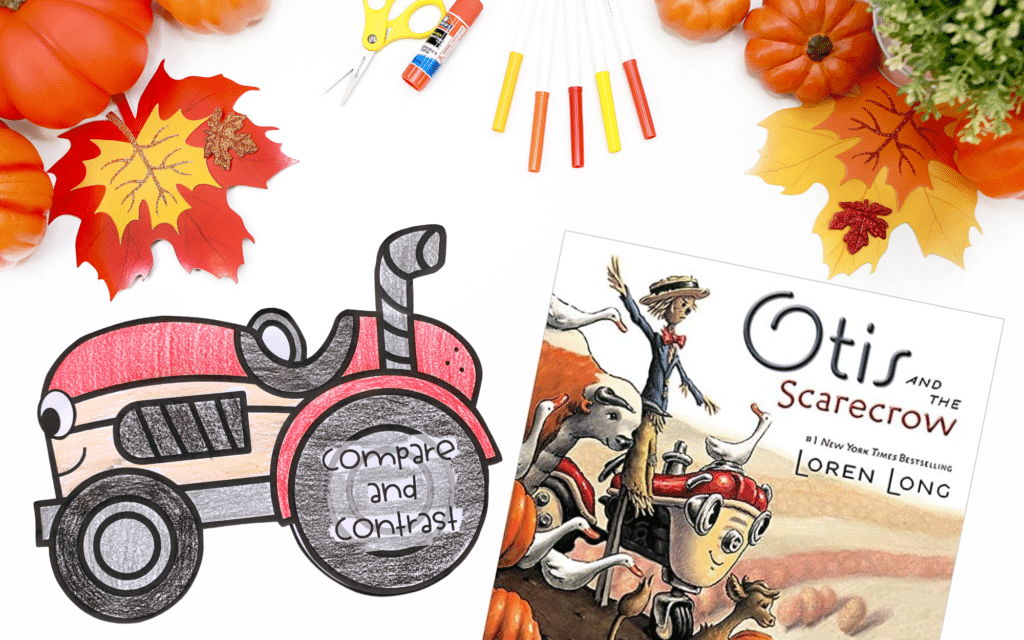
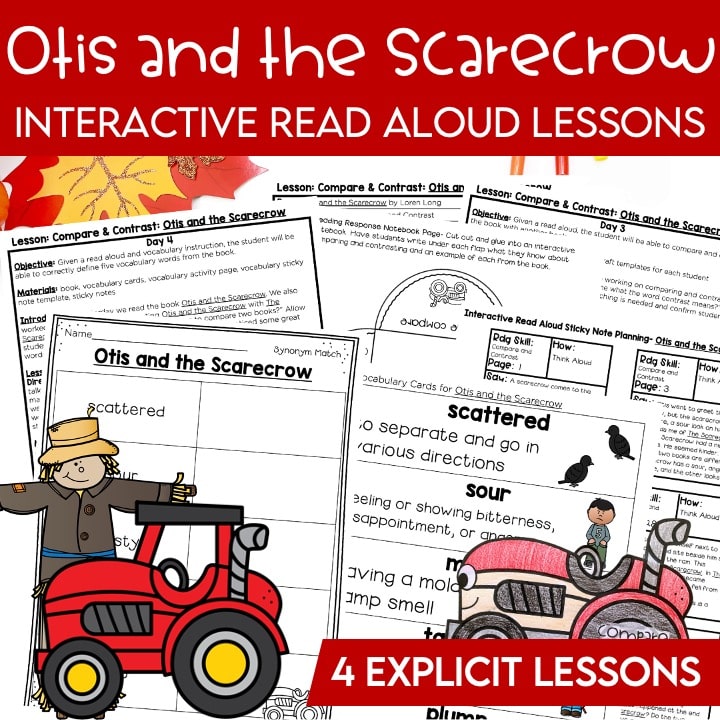
If you love Otis books as much as I do, Otis and the Scarecrow deserves a spot in your fall plans!
This story works especially well for teaching students to compare and contrast, especially if you are reading many other scarecrow books. When a new scarecrow arrives on the farm, Otis and his friends repeatedly try to include him, even though the scarecrow remains silent and stern.
Students can compare characters, their actions, feelings, and responses to events. This is a great opportunity to move beyond simply identifying what is “the same” and “different” and begin having deeper conversations about characters.
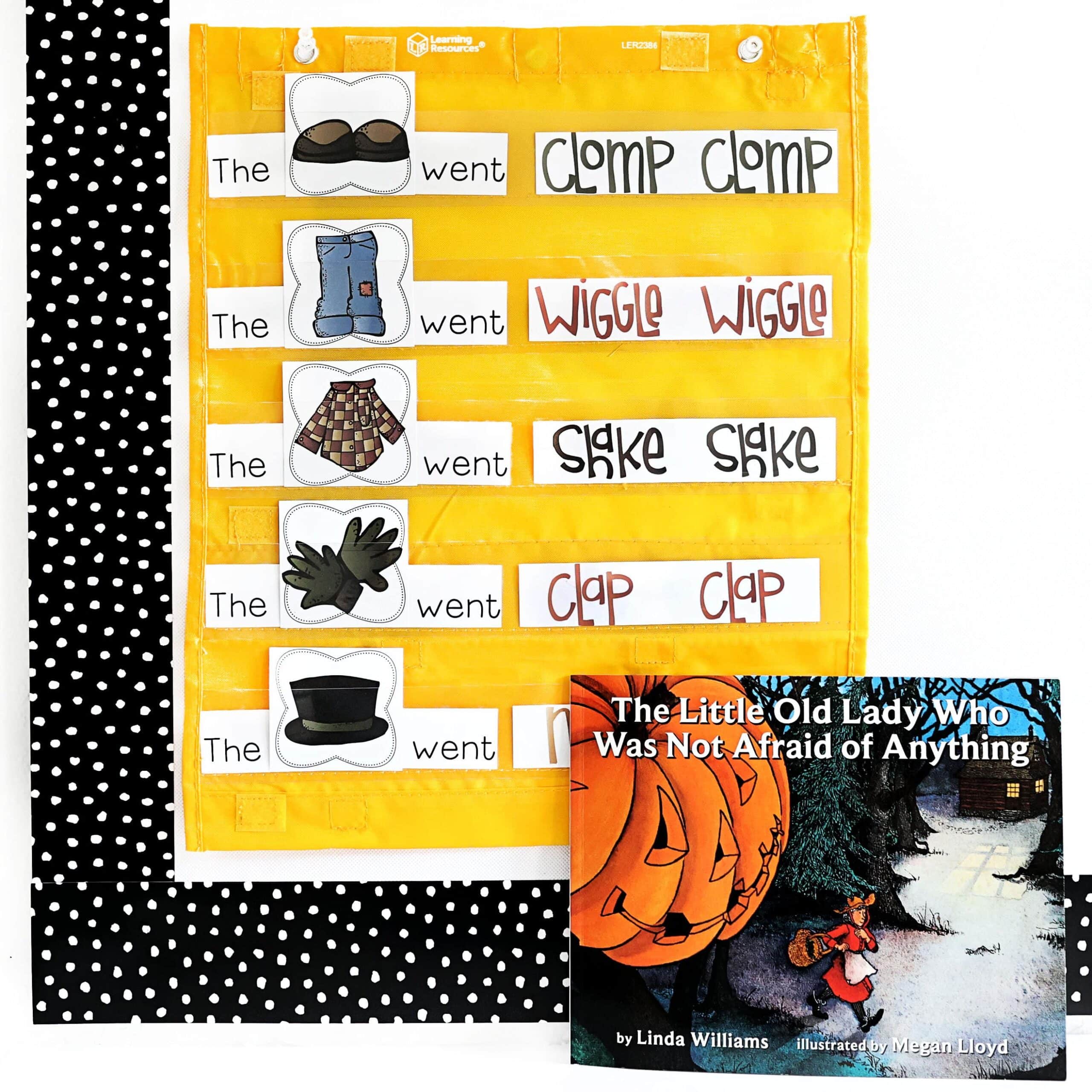
This one is always so much fun! As the little old lady walks home, she encounters shoes that clomp, pants that wiggle, a shirt that shakes, and more. The repetitive structure practically begs students to participate in the reading!
That repeated pattern also makes this book perfect for retelling or sequencing events. Students can sequence the different items the little old lady encounters and use them to orally retell the story from beginning to end.
For our youngest readers especially, retelling doesn’t always need to begin with a pencil and worksheet. Let them move pieces, talk with a partner, act out the story, and practice putting events in order orally first.
Finally, Scarecrow by Cynthia Rylant is a wonderful book to pair with another scarecrow text for comparing and contrasting.
This book has a quieter, more descriptive feel than many of the other stories on this list. Cynthia Rylant’s language gives readers a glimpse into the life and perspective of a scarecrow, making it especially useful for vocabulary and rich classroom discussion.
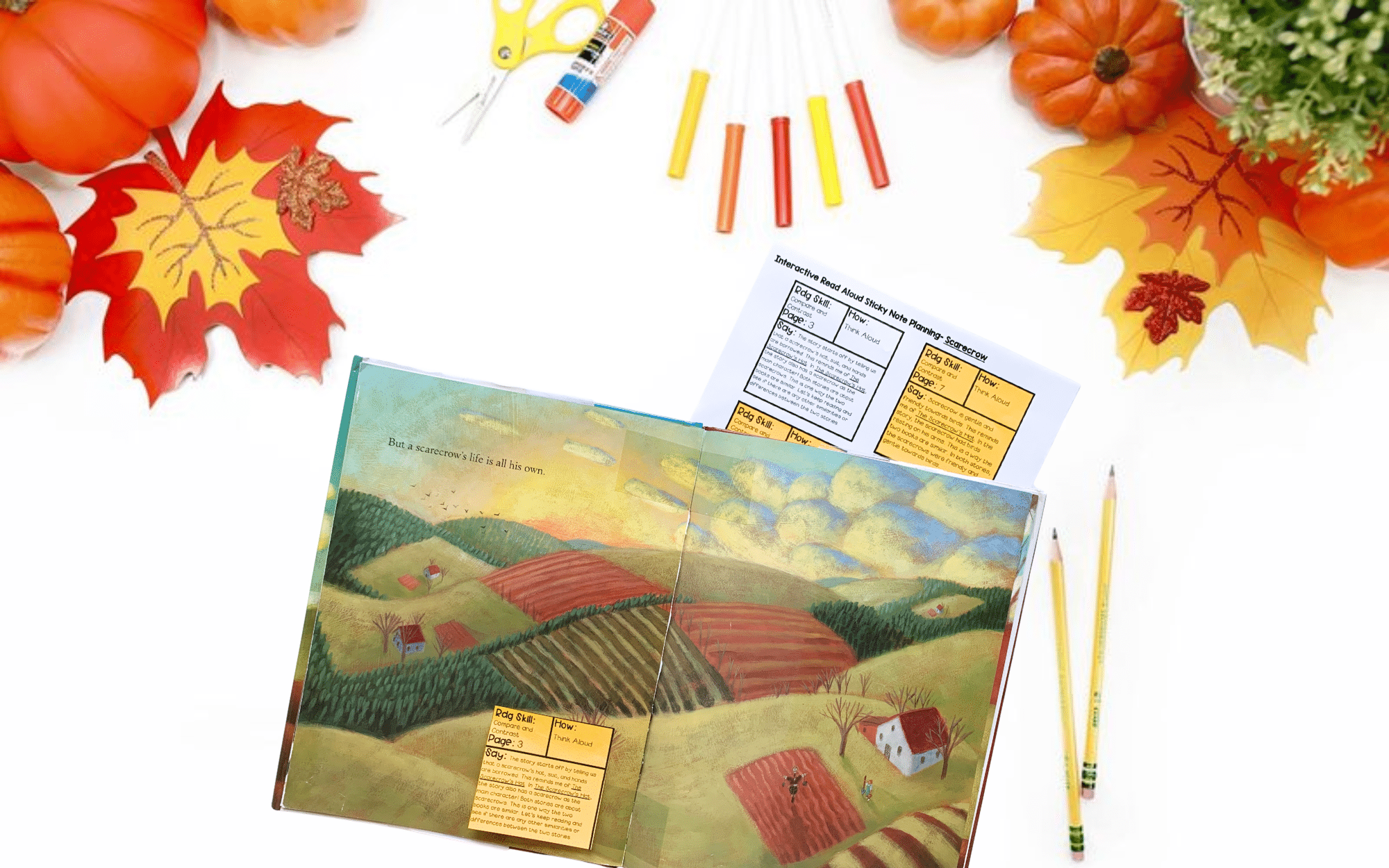
Try pairing it with The Scarecrow by Beth Ferry. Students can compare the scarecrows, illustrations, settings, language, and the way each author portrays what it might be like to stand in a field as a scarecrow.
Seasonal books are fun, but we don’t have to choose between fun and meaningful instruction.
These scarecrow read alouds give students a high-interest fall theme while still providing plenty of opportunities to work on story elements, retelling, character traits, comparing and contrasting, and vocabulary.
And there is something important about gathering your students around an actual picture book. They can study the illustrations, hear rich language read fluently, turn and talk with a partner, make predictions, laugh together, and experience the story as a classroom community.
That engagement is exactly what we want as elementary teachers!
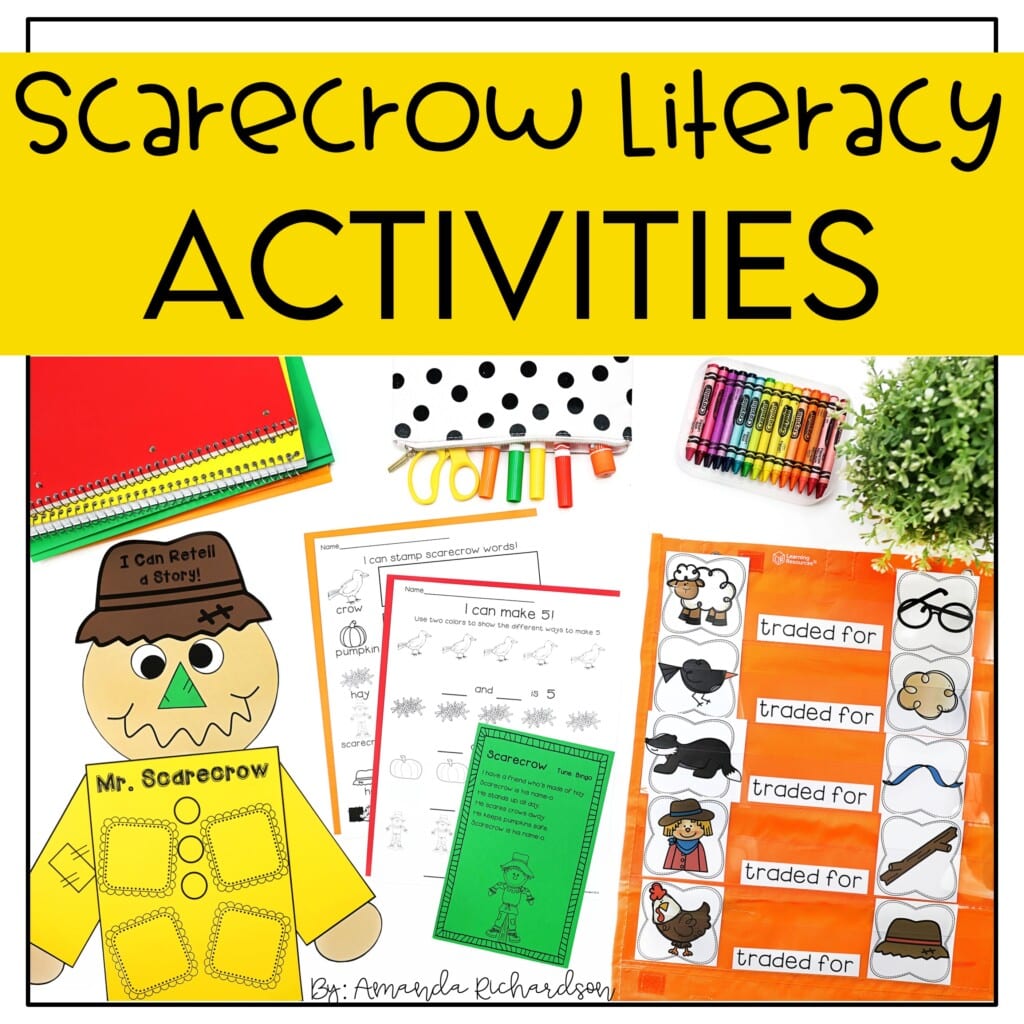
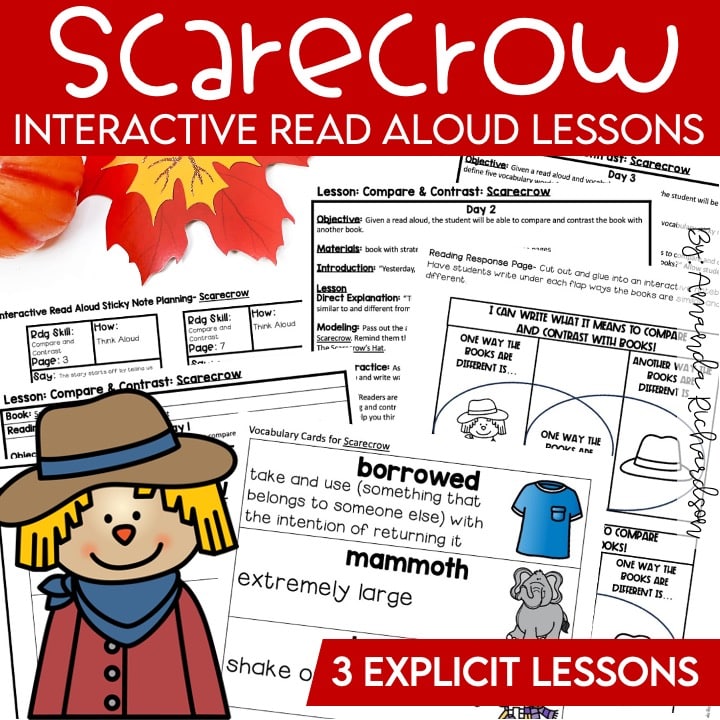
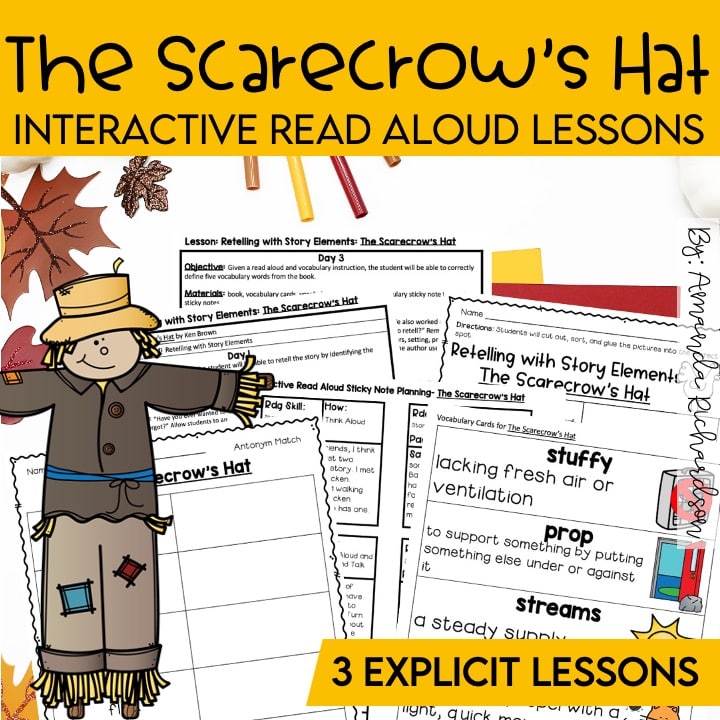
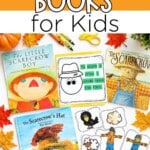
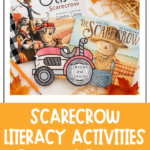
If you want to make planning even easier, I have done-for-you read aloud lessons and activities for these books that help you take the great stories you’re already reading and turn them into purposeful reading instruction. You can use the included activities to help students retell, respond to, and dig deeper into the texts without taking away the joy of the read aloud.
Grab the lessons to accompany the books below by clicking the images!
So grab a few scarecrow books, pull your readers close, and enjoy a little fall reading together!









One Response
The Scarecrow’s Hat is such a good pick for story elements, following that chain of trades all the way back to Scarecrow really makes kids track the events. Nice to have a fall theme that isn’t all pumpkins, too.