






Literacy Icon

Literacy

PD Icon

Professional Development

January 21, 2026

5 Hands-On Rhyming Activities to Develop Readers

Rhyming is one of the first building blocks of pre-reading because it helps children hear and play with sounds in words before they ever read them on a page. Practicing rhyming can be engaging and easy. Below are five simple and fun rhyming activities that teachers and parents can use to help develop strong early readers while keeping students motivated and excited to learn.
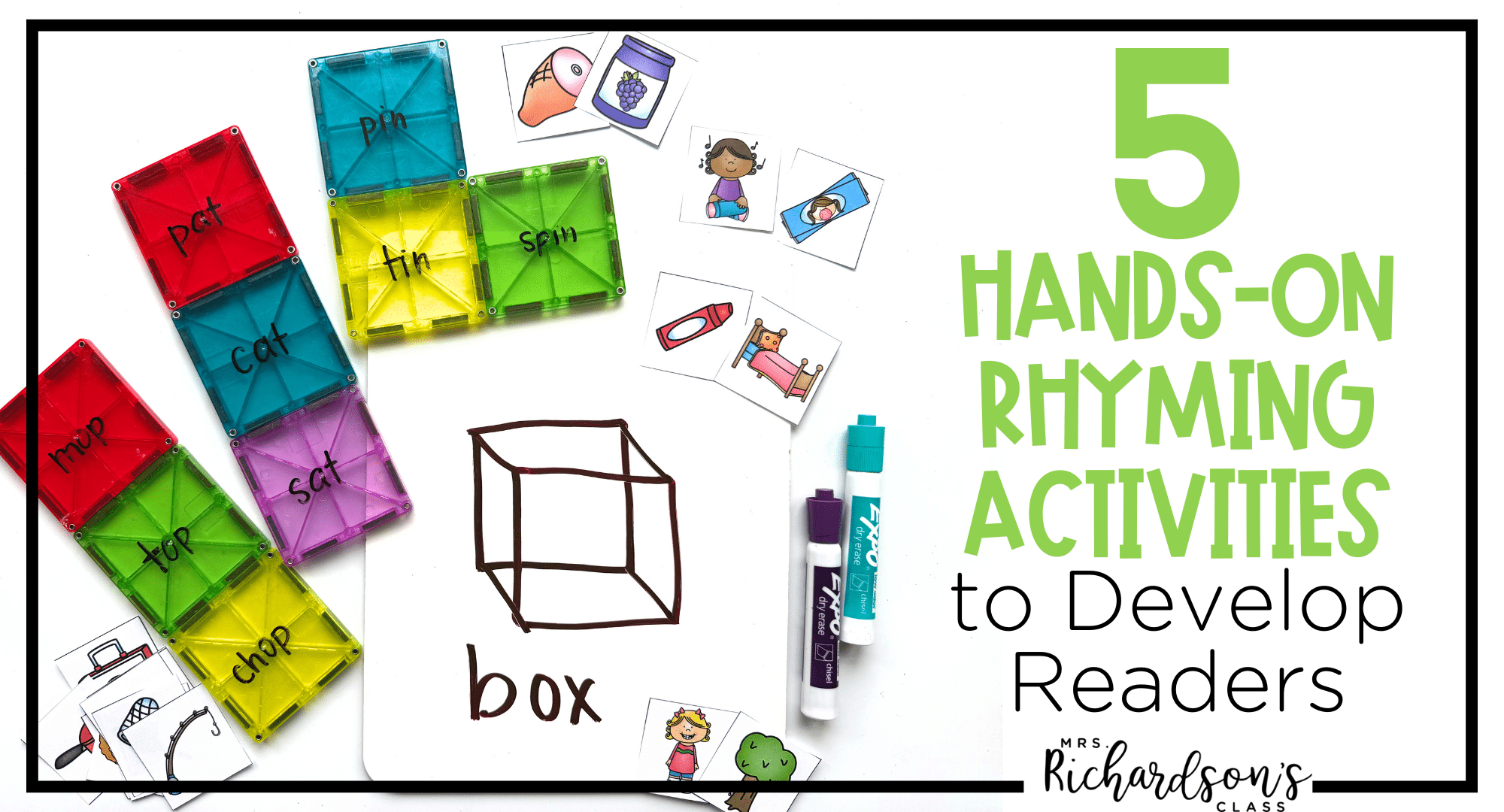
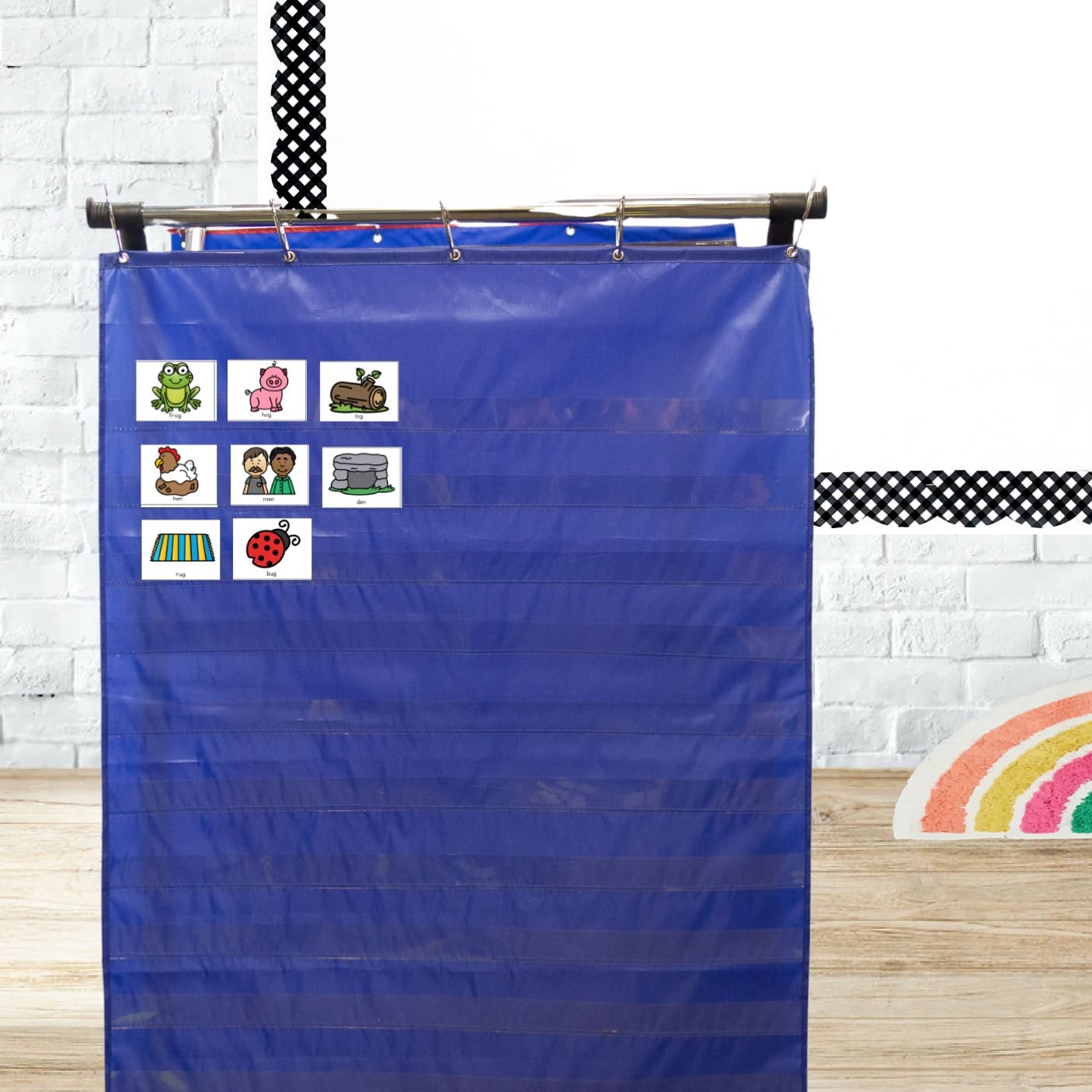
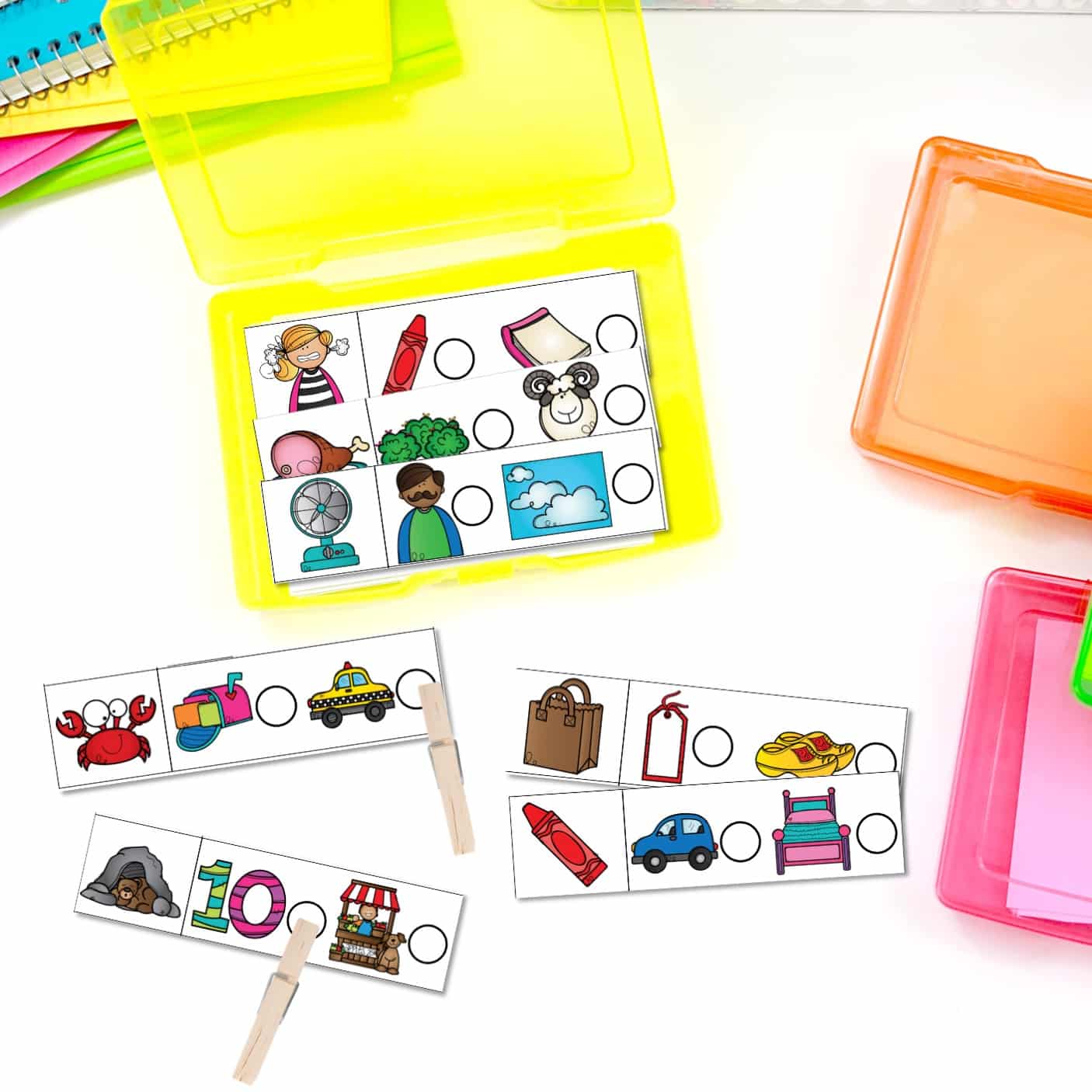
5 rhyming activities pictured as examples

Why is Rhyming Important?

Being able to identify and generate rhyming words is important because children are hearing and playing with spoken sounds without print. As students grow in their reading skills, they will realize there is a connection between spoken sounds and print. Plus, it makes learning to read FUN!
5 Rhyming Activities to Try

  • Play Rhyming Splat Game
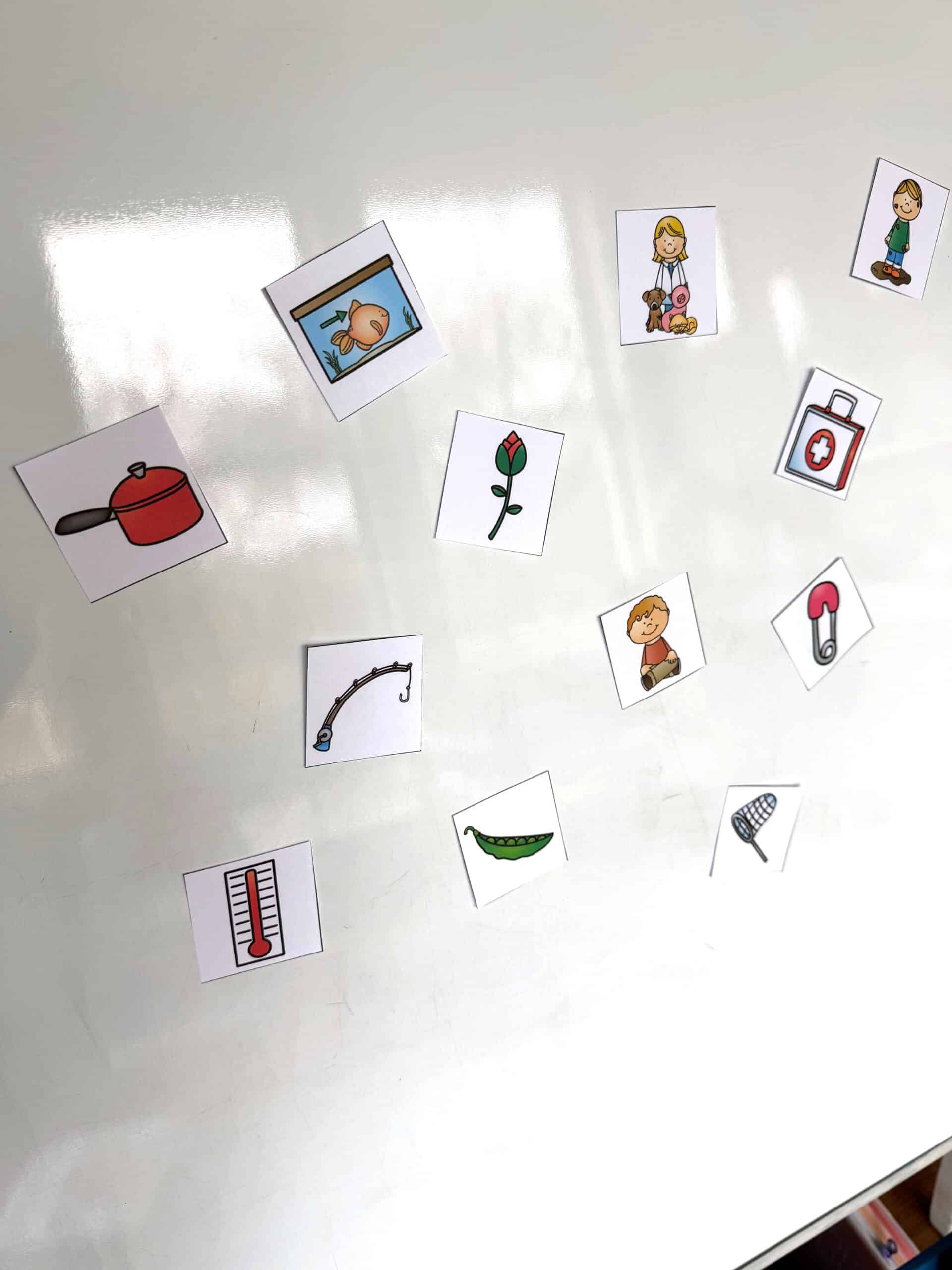
    • My students LOVED playing Splat when I was in the classroom. Not only is it engaging, but you can make many different variations of this game! You will need some pre-printed pictures of CVC words that have a rhyming match. For example, a picture of a cat and a mat. Tape them to a big white board. Give your student a clean fly swatter and have them swat the rhyming pairs! Your students will surely love this one!
  • Sing Rhyming Songs
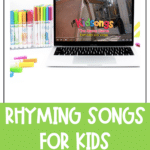
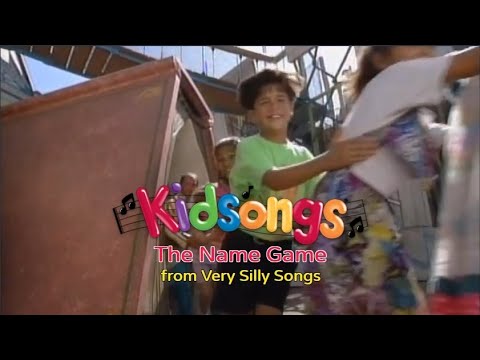
    • My kids love to listen to and sing silly songs, even as they are older! A child favorite is always The Name Game. Kids love to use family member’s names, or friend’s names, and of course their own! See what made up words they can come up with. Other rhyming songs you can sing to practice rhyming are: “Miss Mary Mack” & “Down by the Bay”.
The Name Game from The Kidsongs TV Show !  Sing Along Fun! | Play Songs for Kids | Home School Fun
  • Play Rhyming Hopscotch
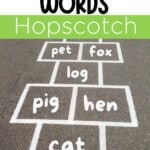
    • Draw a hopscotch pattern on the floor. Write different CVC words that have many rhymes in the squares. For example: pen, cat, ham, sun, pig. When a student lands on a square, they have to come up with and say a word that rhymes with the word in the square. For example: “Pen rhymes with hen.” If they are not ready to generate rhyming words, you could say two words to them and ask them if they rhyme or don’t rhyme. This is great for your list of rhyming activities because it gets kids up and moving!
  • Build Rhyming Towers
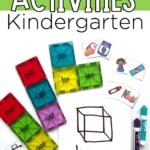
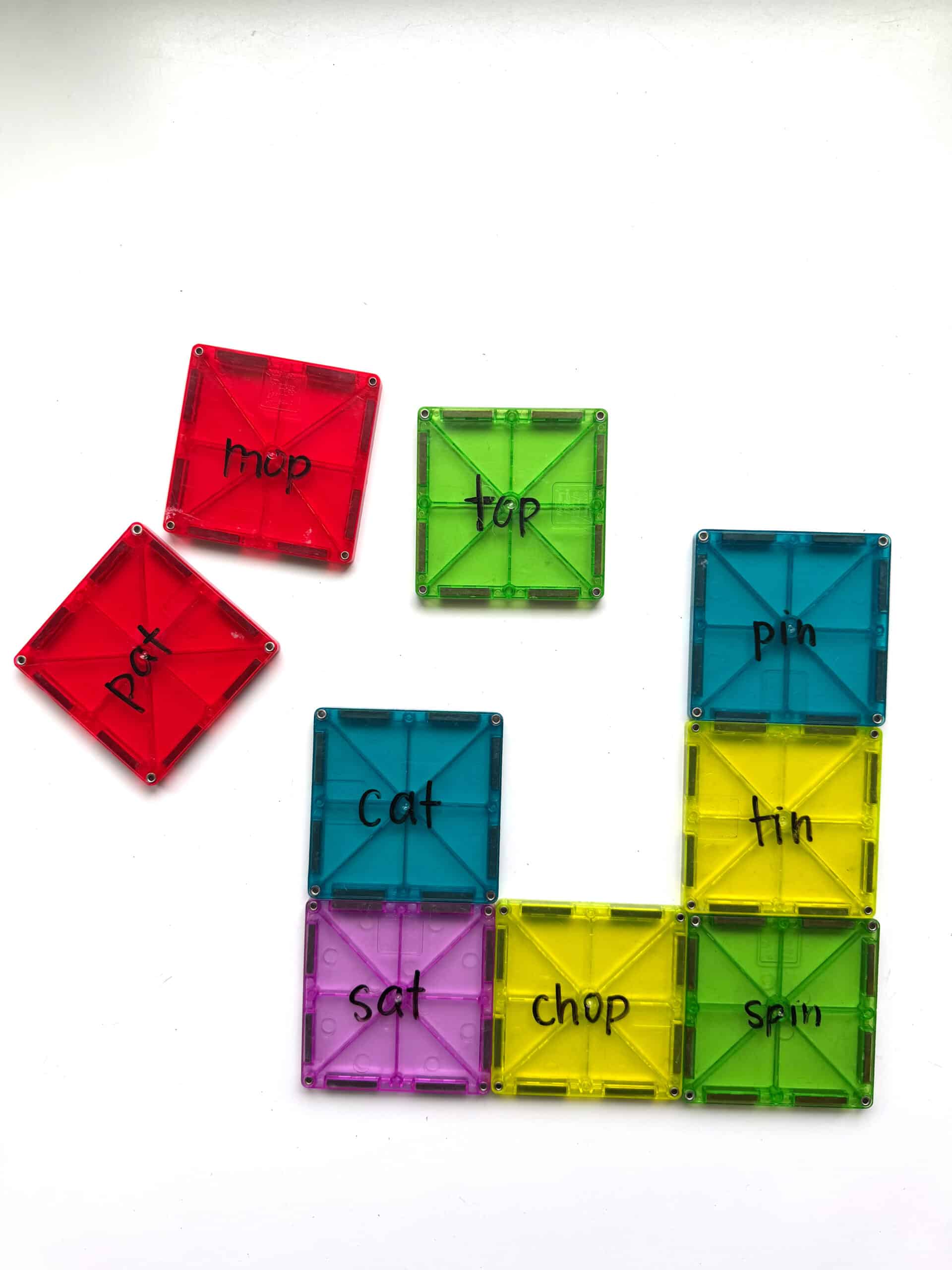
    • Do you have a child or student that loves to build? This activity is a must-do for them! Grab a basket of duplo legos and write rhyming word families on them using a dry erase marker. For example: (hat, cat, sat, mat). I like to use painters tape and a sharpie to write on the blocks so that I can easily take the tape off when we are done with the activity. After writing them all, put them in a basket and have the student make towers of the rhyming words. How many words can they write? How tall can their tower become before having to build a new tower?
  • Create with Rhyming Draw
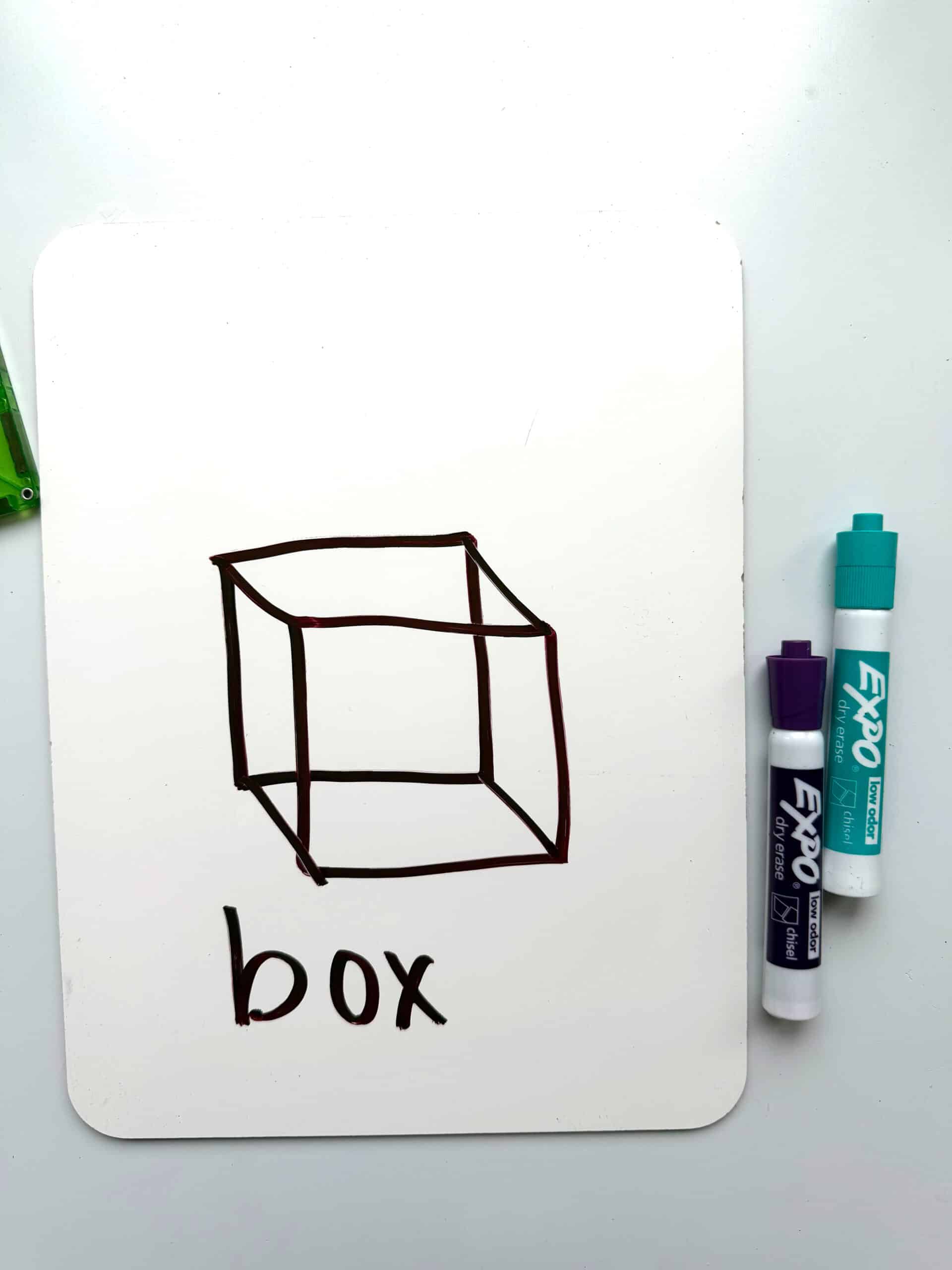
    • Say a word (ex. frog) and have your student draw a picture on a whiteboard or piece of paper of a word that rhymes with the word you said. If they are ready, they can spell the rhyming word. But it’s important to remember that rhyming words are words that SOUND the same at the end. They don’t always look the same.

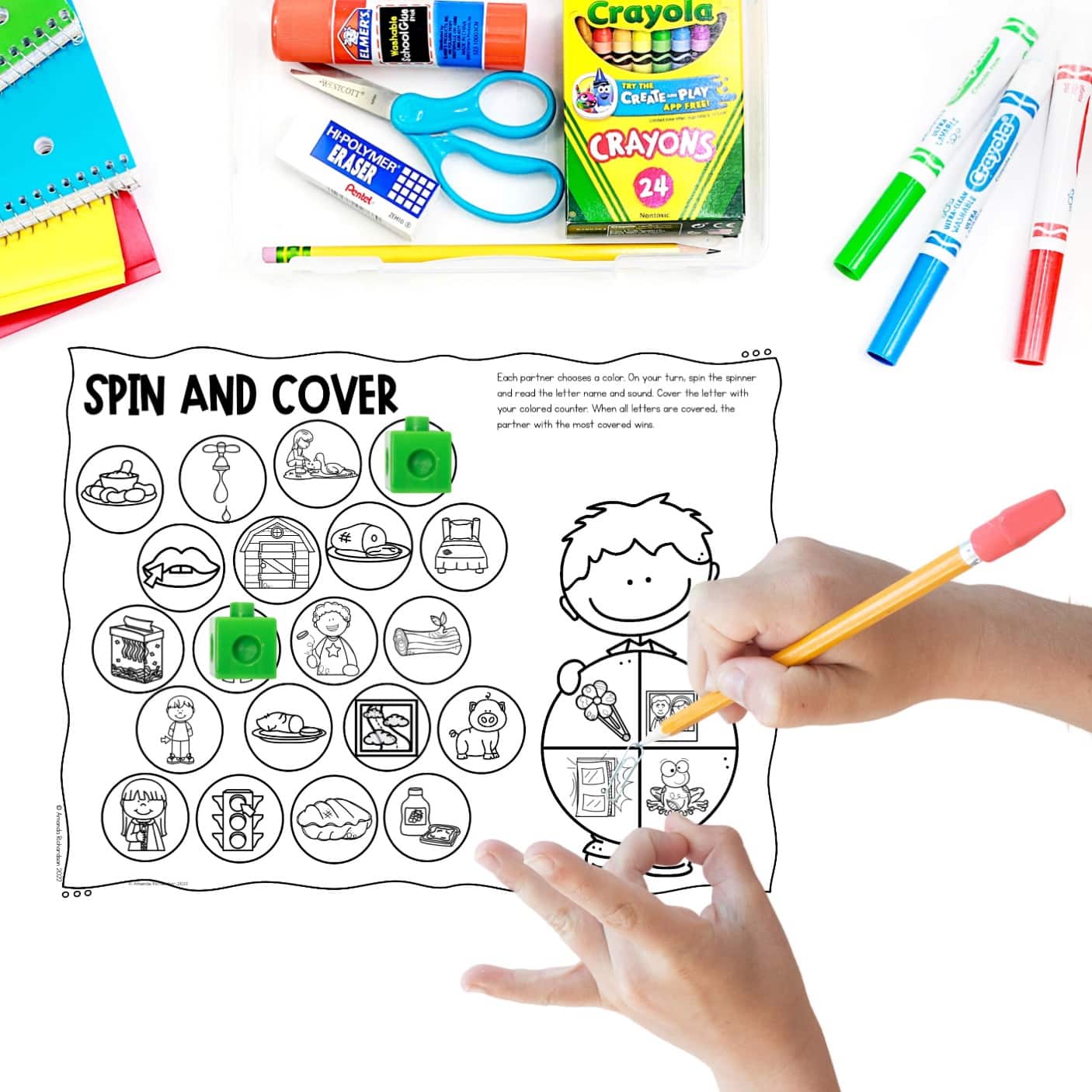
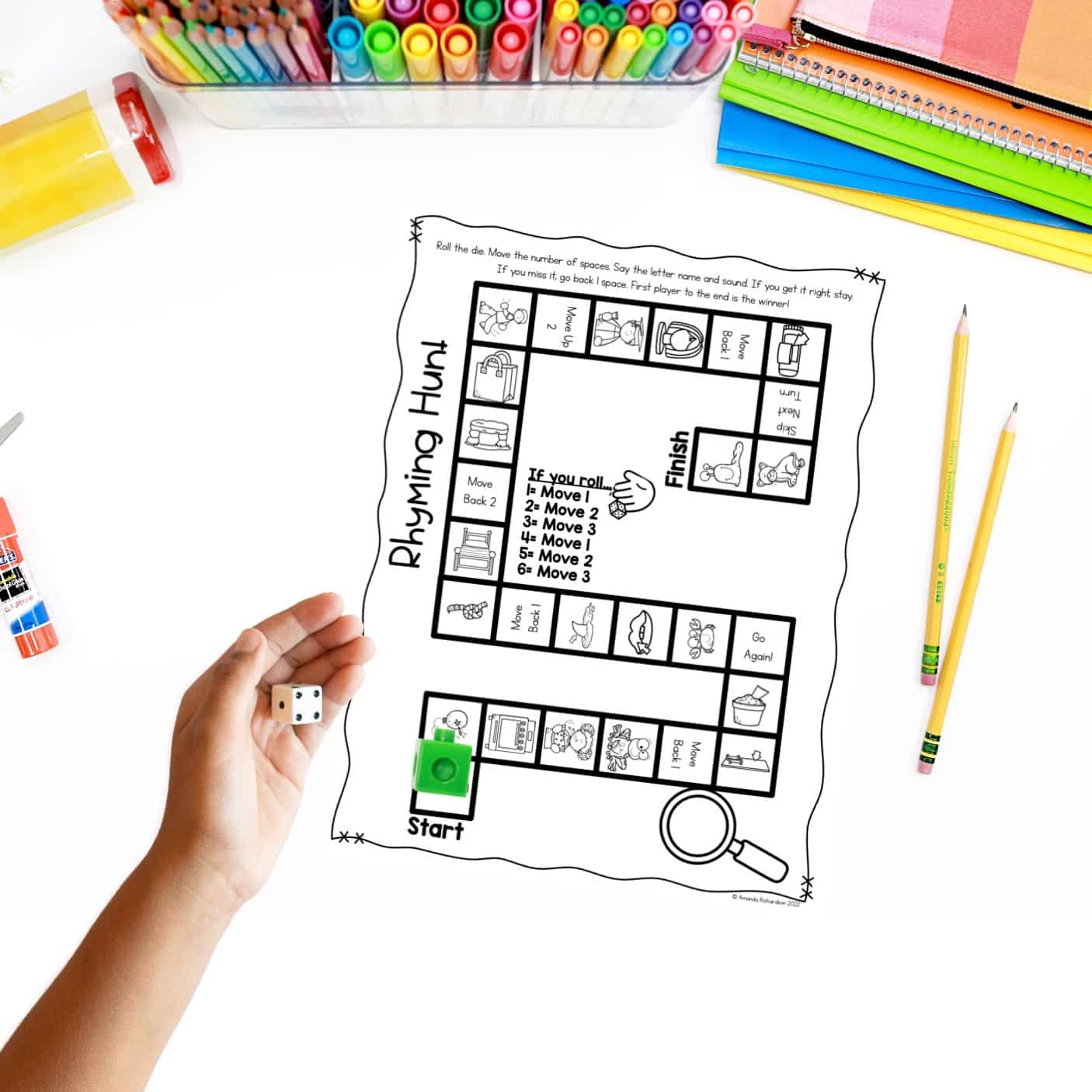
Developing rhyming skills is an important step in building confident, capable readers, and these rhyming activities make it easy to practice rhyming. If you are looking for more rhyming activities for the classroom, check out this set of rhyming centers HERE.
If you are ready to begin teaching a child to read, be sure to grab this FREE Learn to Read kit!
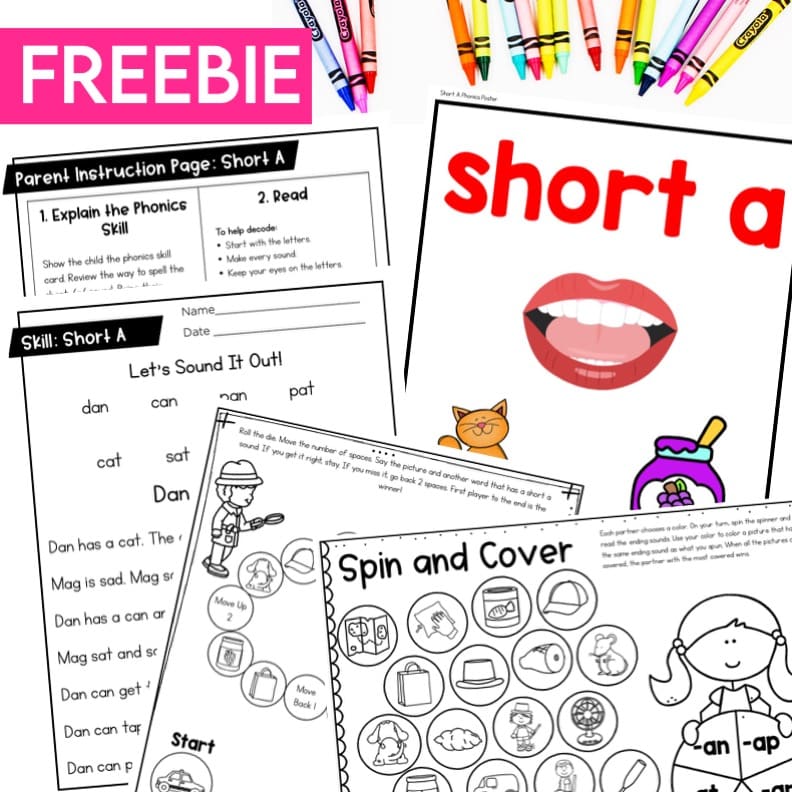
Learn to read kit free tool for parents and teachers

Do you have any favorite ways you practice rhyming in the classroom or at home? I’d love to hear your ideas below!

Happy Teaching,

Amanda

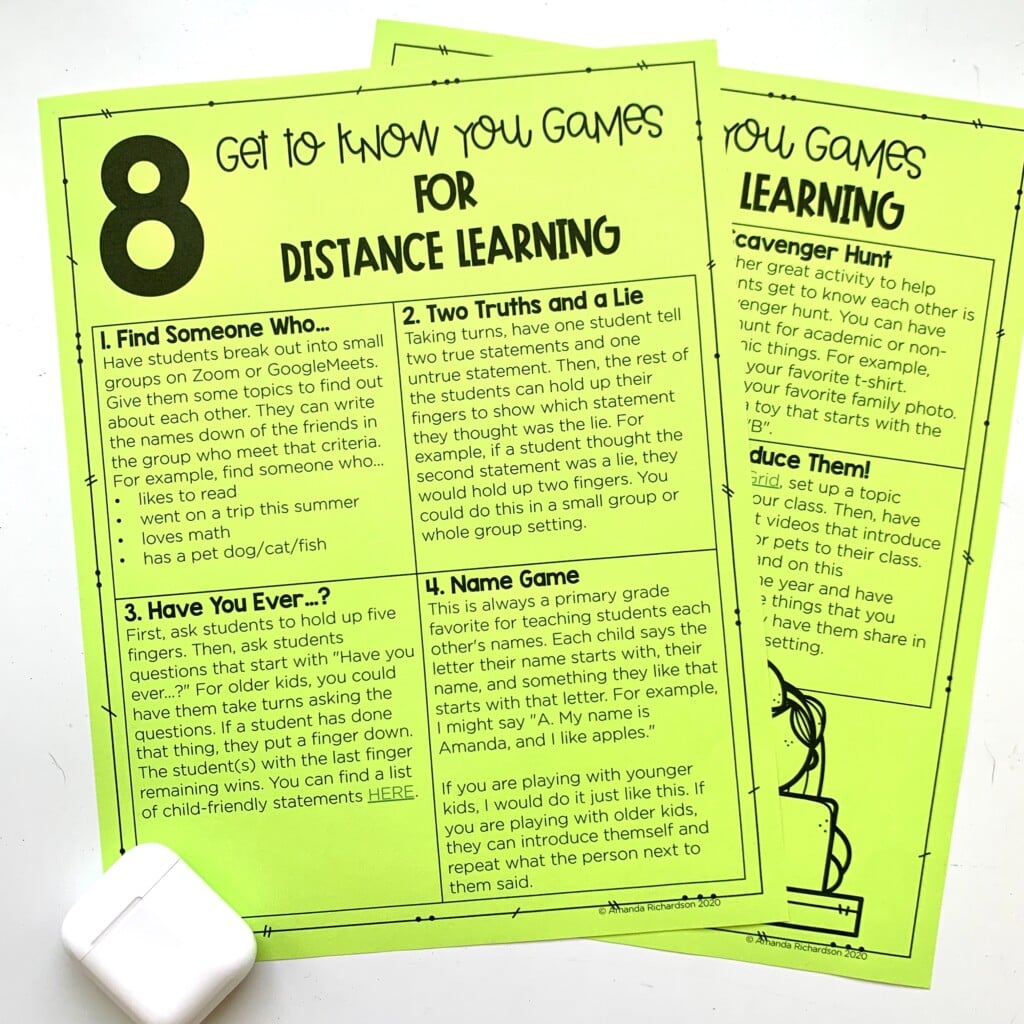
8 Get to Know You Games for Distance Learning

Getting to know your students can be trickier while distance learning. Grab this FREE printable with eight get-to-know-you games and activities so that you can start connecting with students, help them get to know each other, and build a positive classroom community.

Hi, I'm Amanda

I’m a K-1 teacher who is passionate about making lessons your students love and that are easy to implement for teachers.  Helping teachers like you navigate their way through their literacy block brings me great joy. I am a lifelong learner who loves staying on top of current literacy learning and practices. Here, you’ll find the tools you need to move your K-2 students forward!

Topics

Literacy
Math
Science
Writing
Digital
Soc St

You may also enjoy...

Leave a Reply

Your email address will not be published. Required fields are marked *

Which type of professional development interests you?

Help a Child Learn to Read

Easily get started with helping a child learn to read with this short a kit filled with a story, questions, teaching poster, and games!